
For many years, eggs have held a special place in nutrition conversations, often described as the gold standard when it comes to protein. Their reputation is well earned. Eggs contain a near perfect balance of essential amino acids, and their digestibility has made them a benchmark that scientists use to measure the quality of other protein sources. A single large egg usually delivers around 6 to 7 grams of protein, along with important nutrients like vitamin D and choline.
However, as we move deeper into 2026, the way people think about food and nutrition has started to shift. It is no longer just about hitting protein targets. People are paying closer attention to overall lifestyle nutrition, which includes gut health, variety, sustainability, and long term wellness. While eggs remain a valuable part of many diets, relying on them as your main or only protein source can quickly become repetitive and may limit the range of nutrients your body receives.
The good news is that there are plenty of other foods that provide even more protein per serving than an egg, and many of them come with additional health benefits. Some offer fiber for digestion, others contain healthy fats for heart health, and some even support mental wellbeing. Adding these options to your diet can help create a more balanced and interesting eating pattern while still meeting your protein needs.
Seitan

Seitan, often referred to as wheat meat, is one of the most protein dense plant based foods available today. Made from gluten, which is the main protein in wheat, it stands out for its exceptionally high protein content. Depending on how it is prepared, a 100 gram serving can contain anywhere from 25 to as much as 75 grams of protein. This is significantly higher than what you would get from a single egg.
Beyond its protein content, seitan is widely appreciated for its texture, which closely resembles meat. This makes it a popular choice among people who are trying to cut down on animal products without giving up the familiar feel of meat in their meals. It is also naturally low in fat and carbohydrates, which makes it ideal for people following structured diets focused on high protein intake.
Greek Yogurt

Greek yogurt is a simple but powerful upgrade from regular yogurt. It is made by straining out excess liquid, resulting in a thicker consistency and a higher concentration of nutrients. A single cup typically provides between 15 and 20 grams of protein, making it a strong competitor to eggs.
What truly sets Greek yogurt apart is its probiotic content. These beneficial bacteria support gut health, which is increasingly recognized as essential for overall wellbeing, including mental health. Greek yogurt is also highly versatile and can be enjoyed in many ways, whether as a breakfast option, a snack, or part of a smoothie.
Pumpkin Seeds
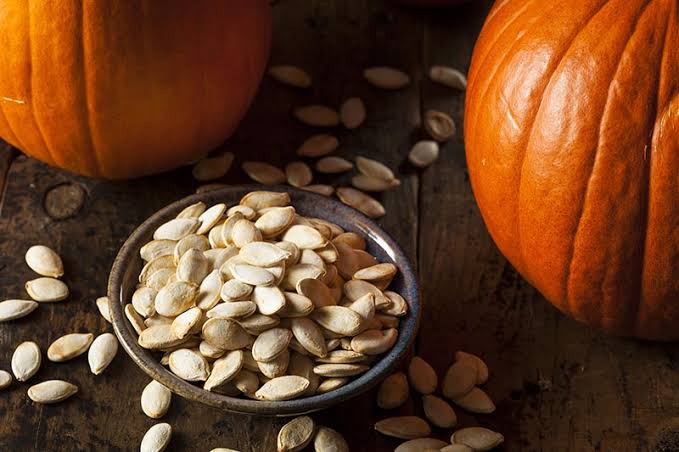
Pumpkin seeds, also known as pepitas, may be small, but they are packed with nutrients. A serving of about 30 grams contains roughly 9 grams of protein, which already surpasses the protein content of a typical egg.
In addition to protein, pumpkin seeds are rich in magnesium. This mineral plays an important role in supporting sleep, reducing stress, and maintaining proper muscle function. Adding pumpkin seeds to your meals is an easy way to boost both flavor and nutrition.
Read more on: The First Nigerians to Study Overseas
Tempeh

Tempeh is a fermented soy product that offers a rich combination of protein and digestive benefits. A 100 gram serving provides around 19 to 20 grams of protein, making it a strong plant based alternative to eggs.
The fermentation process not only gives tempeh its distinctive flavor but also makes it easier for the body to digest. It is also high in fiber, which helps regulate blood sugar levels and keeps you feeling full for longer periods. This makes it a great choice for those looking to manage their appetite or maintain steady energy levels.
Cottage Cheese

Cottage cheese has experienced a resurgence in popularity, and for good reason. It is one of the most protein rich dairy products available, with a single cup providing between 25 and 28 grams of protein.
A key feature of cottage cheese is its high casein content. Casein is a slow digesting protein that releases amino acids gradually over time. This makes cottage cheese an excellent option for a late night snack, as it helps support muscle recovery while you sleep.
Lentils
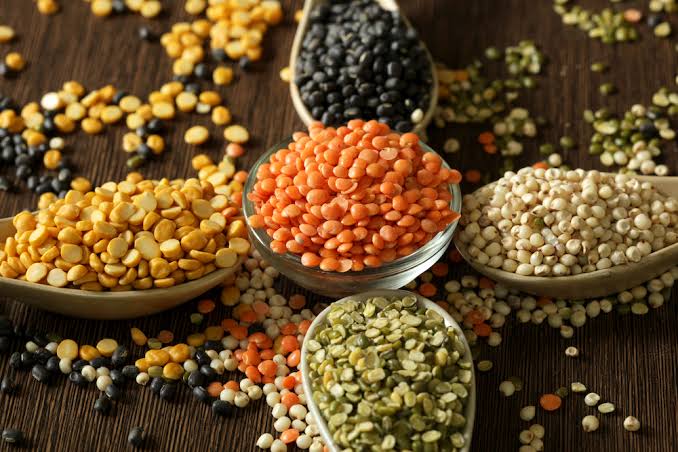
Lentils are a staple in many diets around the world and are valued for their affordability and nutritional benefits. One cup of cooked lentils contains about 18 grams of protein, along with a substantial amount of fiber.
The combination of protein and fiber makes lentils especially filling, helping to control hunger and support healthy digestion. They are also rich in iron and folate, which are essential for maintaining energy levels and overall health.
Read more on: 10 Ways Your Phone Is Slowly Harming Your Body and Mind
Hemp Seeds
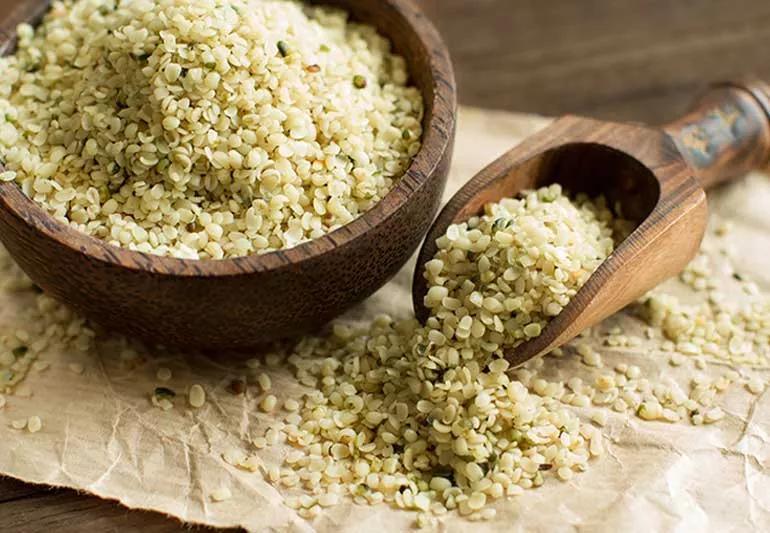
Hemp seeds, often called hemp hearts, are becoming increasingly popular in modern diets. Just three tablespoons provide around 10 grams of protein, making them a convenient and efficient protein source.
One of the standout features of hemp seeds is that they are a complete protein, containing all nine essential amino acids. They also provide a healthy balance of omega fatty acids, which support heart health and skin health. Their mild flavor makes them easy to incorporate into a variety of dishes.
Edamame
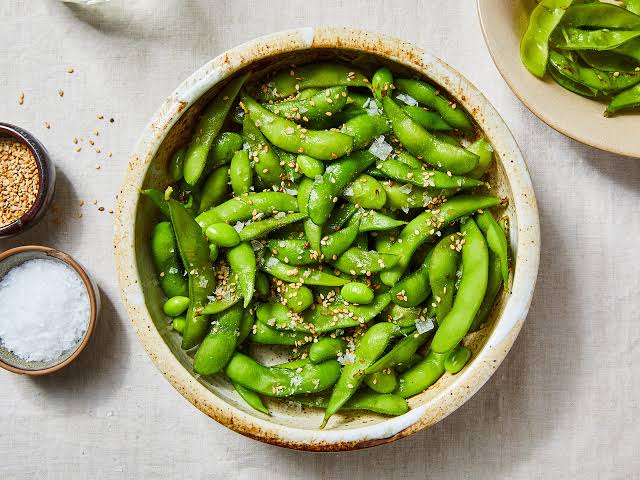
Edamame, or young soybeans, are a simple yet powerful source of nutrition. A cup of cooked edamame contains about 18 grams of protein, along with healthy fats and fiber.
They are easy to prepare and can be enjoyed as a snack or added to meals for extra protein. Their balanced nutritional profile makes them a convenient option for anyone looking to maintain a healthy diet without spending too much time on meal preparation.
Quinoa
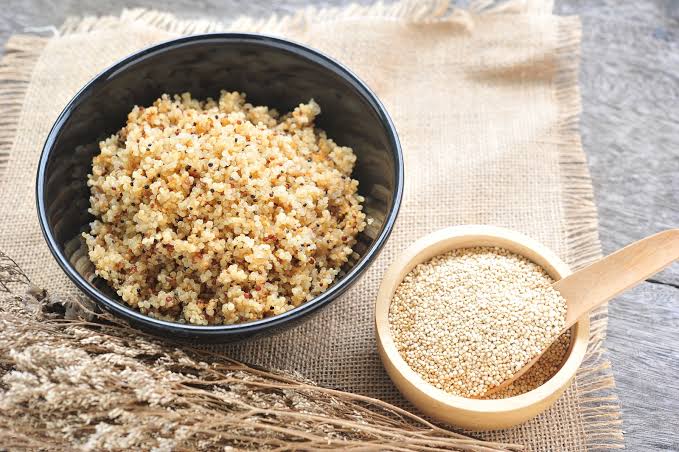
Quinoa continues to be a reliable and nutritious option for those seeking plant based protein. Although it is technically a seed, it is commonly used as a grain. A cup of cooked quinoa provides about 8 to 9 grams of protein.
Quinoa is also a complete protein, which is rare among plant based foods. In addition, it is gluten free and has a low glycemic index, making it a healthier alternative to refined grains like white rice or pasta.
Read more on: 10 Ways Your Phone Is Slowly Harming Your Body and Mind
Chickpeas
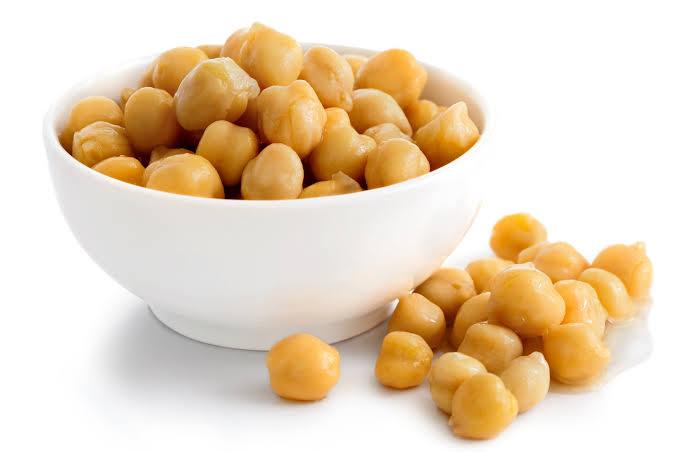
Chickpeas are one of the most versatile legumes available. A cup of cooked chickpeas provides around 14.5 grams of protein, along with a variety of essential nutrients.
They are commonly used in dishes such as hummus, salads, and stews. Chickpeas are also a good source of choline, which supports brain function and mood regulation. This makes them a valuable addition to a diet focused on both physical and mental wellbeing.
Final Thoughts
With so many protein rich options available, it is clear that eggs are no longer the only go to choice for meeting your protein needs. While eggs remain a nutritious and affordable food, relying on them alone can limit the diversity of nutrients in your diet.
By incorporating a variety of these foods into your meals, you can benefit from a broader range of nutrients, including fiber, healthy fats, vitamins, and minerals. This approach not only supports physical health but also contributes to overall wellbeing.
In 2026, healthy eating is less about focusing on a single superfood and more about creating a balanced and diverse plate. Eggs can still play a role, but they are just one piece of a much larger nutritional picture.
Read more on: