
In today’s health-conscious world, many people are making deliberate efforts to improve their diets. Supermarket carts are filled with organic vegetables, gluten-free products, and an ever-growing list of so-called “superfoods.” There’s a strong awareness around what goes into our bodies but far less attention is paid to how those foods are prepared.
The truth is, even the healthiest ingredients can lose their benefits or worse, become harmful depending on how they’re cooked. The kitchen, often seen as the heart of the home, can quietly become a space where everyday habits undermine long-term health. From the cookware we rely on to the small routines we’ve picked up over time, these patterns may seem harmless but can have lasting effects when repeated daily.
Below are twelve common cooking habits that may be affecting your health, along with practical fixes to help you make smarter, safer choices in the kitchen.
Overheating Non-Stick Cookware
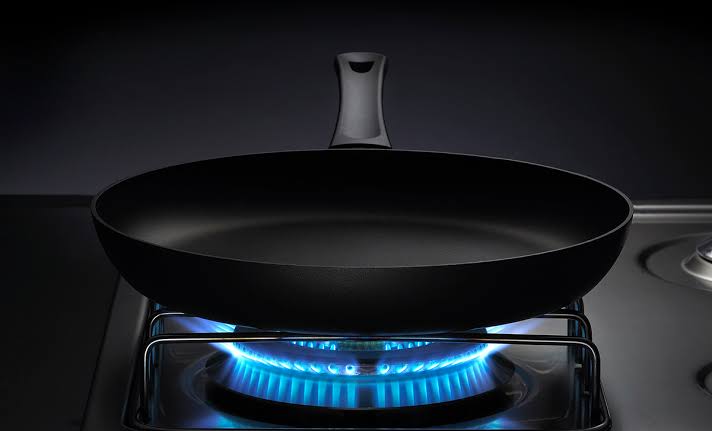
Non-stick pans are loved for their ease and convenience, especially when cooking foods that tend to stick. However, many people are unaware that these pans have temperature limits. Most non-stick coatings, typically made with PTFE (Teflon), begin to break down when exposed to temperatures above 260°C. This can happen faster than expected, especially when a pan is left empty on a burner.
When overheated, these coatings release fumes that can cause symptoms similar to the flu in humans and pose serious risks to pets, particularly birds. Over time, repeated exposure to degraded chemicals has been associated with hormone imbalances and organ stress.
The Fix: Stick to low or medium heat when using non-stick pans, and never preheat them while empty. If you need high heat, switch to safer alternatives like stainless steel or cast iron.
Using the Wrong Oil for High Heat
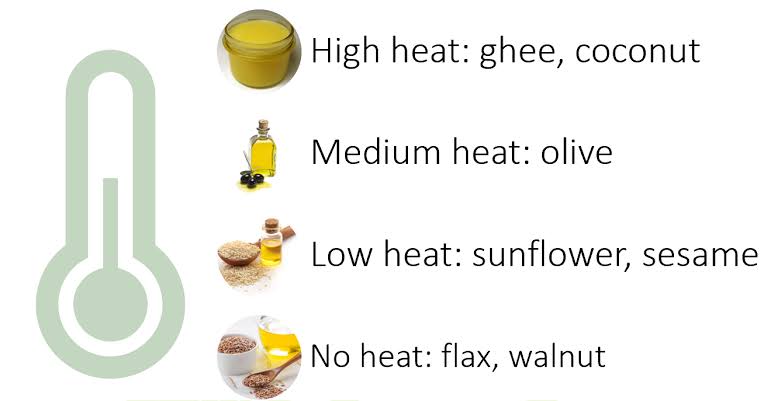
Not all oils are created equal, especially when it comes to heat tolerance. Each oil has a smoke point, the temperature at which it begins to burn and break down. Once this point is reached, the oil releases harmful compounds such as free radicals and acrolein, which can irritate the body and contribute to inflammation.
For example, extra virgin olive oil is packed with antioxidants, but those benefits are quickly lost when it’s used for high-heat frying. Using the wrong oil repeatedly can slowly impact cardiovascular and cellular health.
The Fix: Choose oils with higher smoke points like avocado oil, grapeseed oil, or refined coconut oil for frying and searing. Save delicate oils like olive oil for light cooking or drizzling over finished meals.
Reusing Cooking Oil Multiple Times
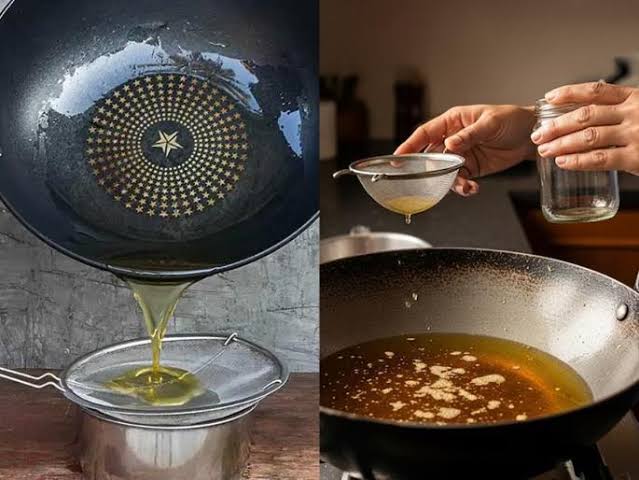
Reusing cooking oil is a common practice, especially when trying to save money. However, each time oil is heated, cooled, and reheated, it undergoes chemical changes. This process, known as oxidation, leads to the formation of trans fats and toxic compounds such as 4-hydroxynonenal (HNE).
These substances have been linked to serious health conditions, including heart disease, cognitive decline, and even cancer. The more frequently oil is reused, the more harmful it becomes.
The Fix: Avoid reusing oil more than once or twice. If the oil appears dark, thick, or has a strong, unpleasant smell, it’s time to dispose of it properly.
Cooking in Plastic Wraps or Nylon Bags
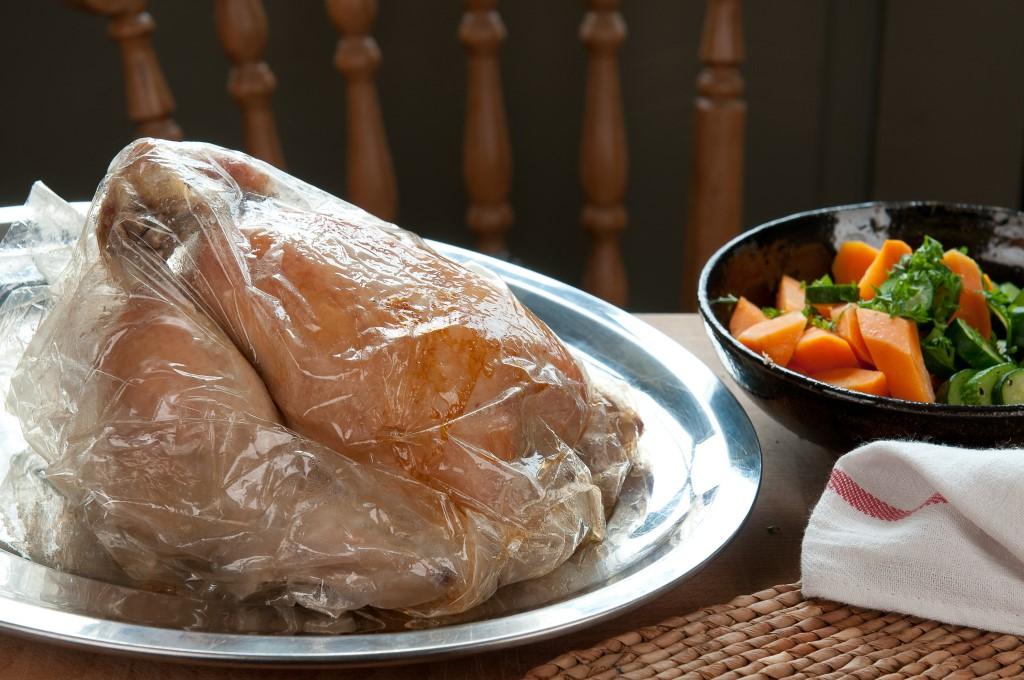
In some kitchens, it’s common to cook or steam food using plastic wraps or nylon bags. While it may seem convenient, this practice can be risky. Heat causes plastics to release chemicals like BPA, BPS, and phthalates into food.
These chemicals are known endocrine disruptors, meaning they can interfere with the body’s hormonal balance. Over time, this may contribute to fertility issues, weight gain, and metabolic disorders.
The Fix: Replace plastic materials with safer options such as glass containers, stainless steel cookware, or food-grade silicone when cooking or reheating food.
Read more on: From From Fame to Faith: Nigerian Celebrities Who Found Purpose in Ministry
Charring Meat to a Crisp

There’s no denying the appeal of a well-charred piece of meat, especially when grilling or barbecuing. However, cooking meat at very high temperatures or over open flames can produce harmful compounds known as heterocyclic amines (HCAs) and polycyclic aromatic hydrocarbons (PAHs).
These compounds are considered mutagenic, meaning they can damage DNA and potentially increase cancer risk over time. Regular consumption of heavily charred foods may gradually impact long-term health.
The Fix: Marinate meat with acidic ingredients like vinegar, citrus juice, or yogurt before cooking. Avoid direct flames, cook over moderate heat, and turn meat frequently to reduce charring.
Peeling Every Vegetable
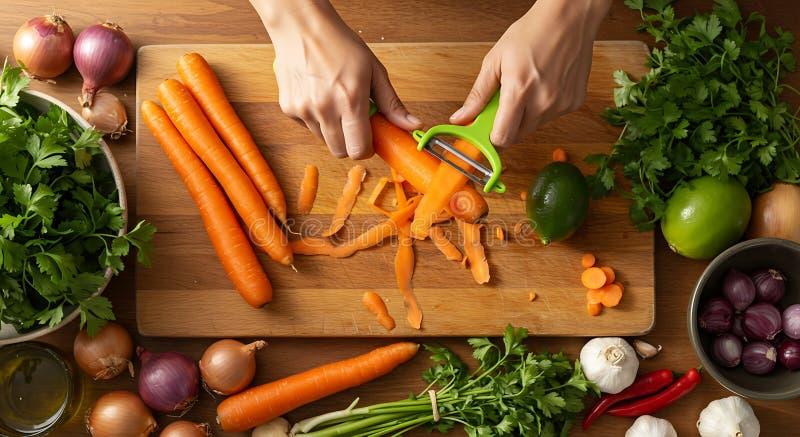
Peeling vegetables is often done out of habit or the belief that it makes food cleaner. However, the skin of many vegetables contains a high concentration of nutrients, including fiber, vitamins, and antioxidants.
By removing the peel, you’re also removing many of the compounds that help protect the body against disease and support digestion. Over time, this habit can reduce the overall nutritional value of your meals.
The Fix: Wash vegetables thoroughly using clean water and a brush when necessary. Whenever possible, cook and eat them with the skin intact.
Adding Garlic Too Early
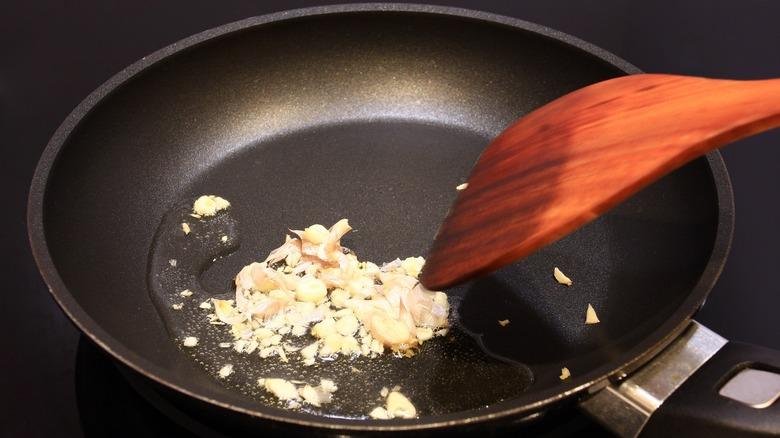
Garlic is widely known for its powerful health benefits, particularly for heart health and immunity. These benefits come from a compound called allicin, which forms when garlic is crushed or chopped.
However, allicin is sensitive to heat and can be destroyed quickly if garlic is added directly to a hot pan. This means you may lose most of its health benefits before the food is even ready.
The Fix: After chopping or crushing garlic, let it sit for about 10 minutes before cooking. This allows the allicin to fully develop and become more stable during heat exposure.
Read more on: Victor Glover: First Black Astronaut Heads Toward the Moon on Artemis II
Washing Raw Chicken in the Sink
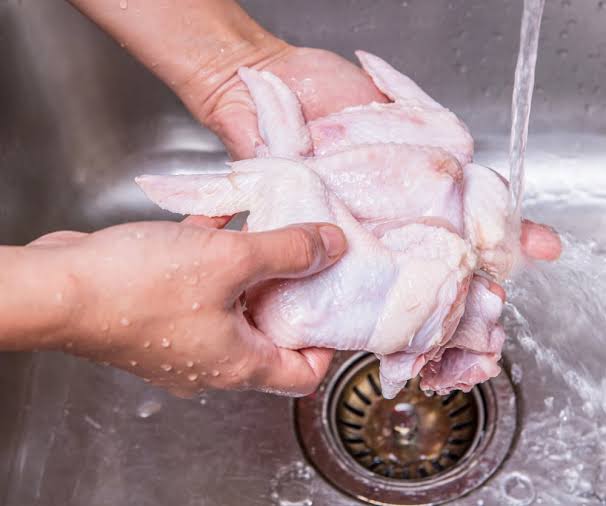
Many people believe washing raw chicken is necessary for cleanliness, but this habit can actually do more harm than good. When chicken is rinsed under running water, bacteria such as Salmonella can spread to nearby surfaces through splashes.
This increases the risk of cross-contamination in the kitchen, putting other foods and utensils at risk. Since bacteria are only killed through proper cooking, washing does not make the chicken safer.
The Fix: Skip washing raw chicken entirely. Cook it thoroughly to the proper internal temperature, and clean any surfaces that come into contact with it.
Overcrowding the Pan
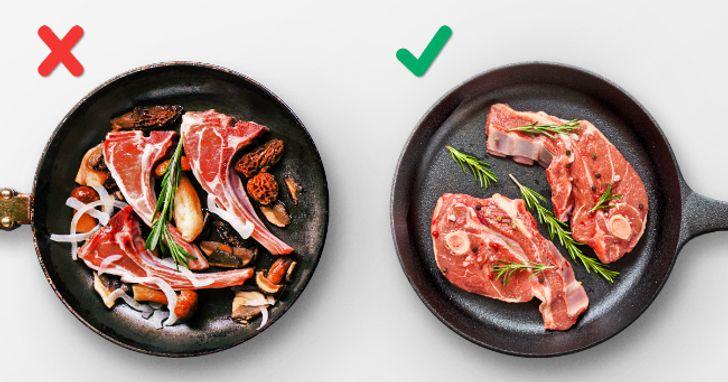
It’s tempting to cook everything at once to save time, but overcrowding the pan can backfire. When too much food is added, the temperature drops quickly, causing the food to steam instead of sear.
This not only affects the texture and flavor but can also lead to longer cooking times, which may reduce the nutrient content of certain foods.
The Fix: Cook in smaller batches, giving each piece of food enough space. This helps maintain heat, improves flavor, and preserves nutrients.
Using Scratched Non-Stick Pans
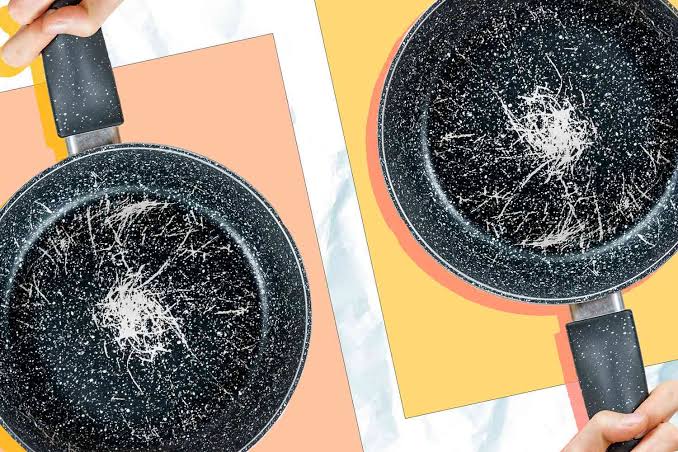
Once a non-stick pan becomes scratched or starts to peel, it can release tiny particles into your food. These microplastics may enter the body and accumulate over time, potentially contributing to inflammation and other health issues.
Continuing to use damaged cookware increases the risk with every meal prepared.
The Fix: Replace non-stick pans as soon as they show signs of wear. For a longer-lasting option, consider switching to stainless steel or cast iron cookware.
Over-Salting Early in the Process
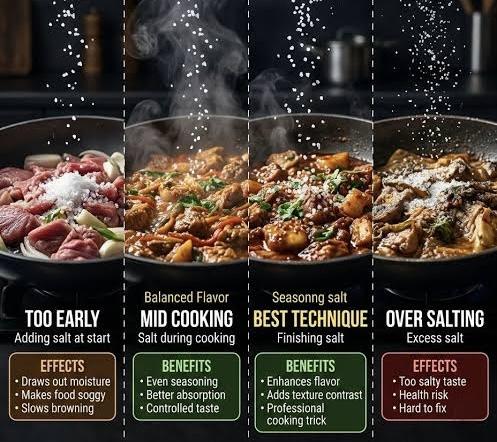
Adding too much salt at the beginning of cooking can make it harder to control the final taste of your dish. Because the salt blends deeply into the food, you may end up using more than necessary without realizing it.
Excess sodium intake over time is linked to high blood pressure, kidney strain, and increased risk of heart disease.
The Fix: Season lightly at the start and adjust the salt level toward the end of cooking. This helps you use less while still achieving great flavor.
Relying Heavily on Seasoning Cubes
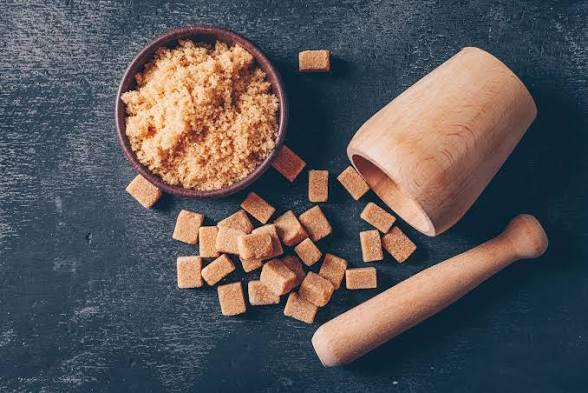
Seasoning cubes are convenient and widely used, but many contain high levels of sodium, MSG, and processed additives. While occasional use may not be harmful, relying on them for every meal can lead to excessive sodium intake and reduced nutritional quality.
Over time, this habit may contribute to inflammation and other health concerns.
The Fix: Build flavor naturally using fresh ingredients like onions, garlic, ginger, herbs, and spices. These not only enhance taste but also provide additional health benefits.
Conclusion
Healthy eating is not just about the ingredients you choose it’s also about how you handle them in the kitchen. Many common cooking habits, though convenient, can gradually reduce the nutritional value of your meals or introduce harmful elements into your diet.
By becoming more mindful of these everyday practices and making small but meaningful changes, you can protect your health and get the most out of the food you prepare. In the long run, it’s these simple adjustments that make the biggest difference, turning your kitchen into a space that truly supports your well-being rather than quietly working against it.
Read more on:
- Basketmouth Ex-Wife Elsie Okpocha Responds to Viral Claims About Her Children’s Paternity
- From Cancer Claim to Controversy: Blessing CEO Faces Forgery Allegations
- Skales Slams Chief Priest for Political Take on Plateau Palm Sunday Tragedy
- Social Media Erupts After Funmi Akindele Appears to Snub Toyin Abraham