If you are thinking about trying the Atkins Diet, this guide will explain everything in a simple way you can understand. You will learn what the diet is, how it works, what you can eat, the real benefits, possible risks, and how it compares with similar diets.
The Atkins Diet is one of the oldest and best‑known low‑carbohydrate eating plans in the world. It was developed by cardiologist Dr. Robert C. Atkins in the 1960s as a way to help people lose weight by changing how the body gets energy from food.

Today, many people still use this plan to lose weight and manage health markers like blood sugar and cholesterol levels, though doctors and nutritionists have updated it over the years to make it more balanced.
What Exactly Is the Atkins Diet?
At its core, the Atkins Diet focuses on reducing carbohydrate intake so the body burns stored fat for fuel instead of sugar. While many diets simply count calories, Atkins is built around controlling carbs.
Most people think of it as a low‑carb, moderate‑protein, and higher‑fat way of eating. This doesn’t mean you eat unlimited fat, but the diet lets you include healthy fats and proteins while cutting back on sugary and starchy foods.
Unlike some fad diets that are short‑term, Atkins presents its eating guidelines as a lifestyle change you can follow long‑term.
How the Atkins Diet Works
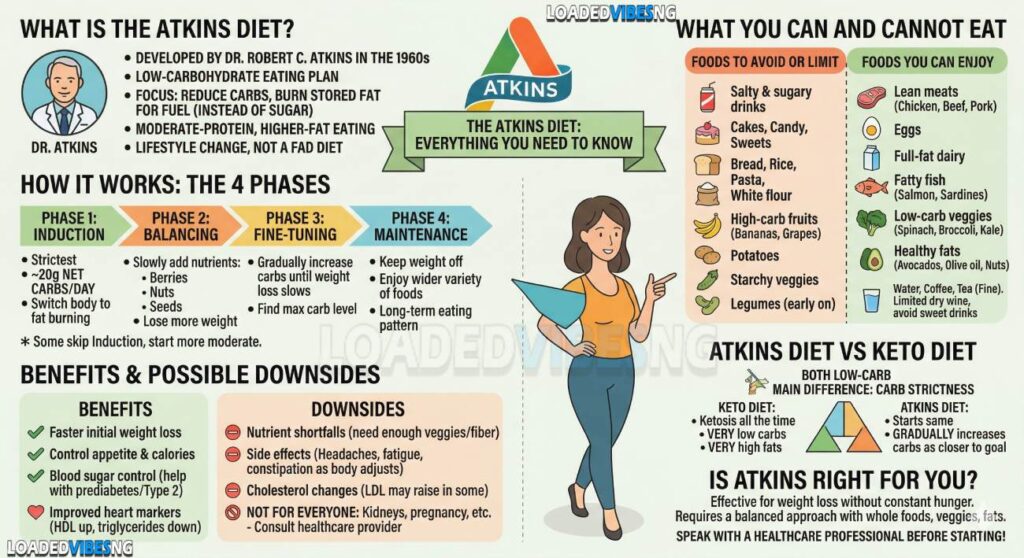
The Atkins Diet is divided into four phases, each with different carb goals and rules. These phases help your body adapt slowly to lower carb intake and find the right level of carbohydrates for your long‑term weight goals.
Phase 1: Induction
This is the strictest stage. You limit carbs to a very low amount, often around 20 grams of net carbs per day. Net carbs are total carbs minus fiber. This low carb level helps your body switch from burning sugar to burning fat.
Phase 2: Balancing
Once you have some weight loss, you slowly add back foods that are more nutrient‑dense, like berries, nuts, and seeds. You stay in this phase until you are close to your goal weight.
Phase 3: Fine‑Tuning
At this point you gradually increase your carb intake until weight loss slows. You are finding the maximum carbs you can eat without gaining weight.
Phase 4: Maintenance
When you reach your goal, you stay on the eating pattern that works for you. This phase is about keeping the weight off while enjoying a wider variety of foods.
Most people stay in the early phases only as long as they need to reach their goals. Some skip induction entirely and start with a more moderate low‑carb approach.
What You Can and Cannot Eat
A simple way to think about the diet is this: cut out carbohydrate‑heavy foods and replace them with high‑quality proteins, fats, and low‑carb vegetables.
Foods You Should Avoid or Limit
Atkins restricts foods high in sugar and starch, especially at the start. These include:
- Sugary drinks and sodas
- Cakes, candy, and sweets
- Bread, rice, pasta, and white flour products
- High‑carb fruits like bananas and grapes (especially early on)
- Potatoes and similar starchy vegetables
- Legumes like beans and lentils in early phases
Foods You Can Enjoy
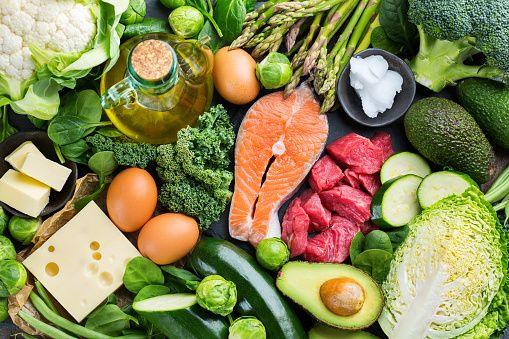
The diet encourages foods such as:
- Lean meats like chicken, beef, and pork
- Eggs and full‑fat dairy
- Fatty fish like salmon and sardines
- Low‑carb vegetables like spinach, broccoli, and kale
- Healthy fats from avocados, olive oil, and nuts
Drinks like water, coffee, and tea are fine. Some alcohol such as dry wine may be okay in moderation, but sweet and high‑sugar drinks should be avoided.
Read also:
- How i slept with my son-in-law while my daughter was in labor
- Top 21 Signs of a Toxic Relationship (And What You Should Do)
- 10 Simple Lifestyle Tips to Improve Your Daily Life
- Caring for Oily Skin: A Practical Guide That Actually Works
- Why You Should Run From Toxic Relationships and How to Protect Your Happiness
- End of an Era: Mohamed Salah Confirms Liverpool Exit
- Is the Milk Carton Becoming Obsolete? How 3D-Printed “Milk Slices” Are Changing the Game
- AMVCA 2026: All You Need to Know Ahead of the Nominee Reveal
- Davido Announces First London Festival “Davido and Friends”
- Bobrisky’s Ex-worker Oye says: PA During the Day but We Slept Together at Night
Benefits of the Atkins Diet
Many people follow the Atkins Diet for weight loss, but there are other benefits that research has shown:
Weight Loss
Low‑carbohydrate diets like Atkins can lead to faster initial weight loss than many low‑fat plans, likely because they help control appetite and reduce calorie intake naturally.
Blood Sugar Control
Reducing carbs may help manage blood sugar levels, which can be especially helpful for people with prediabetes or type 2 diabetes.
Improved Heart Markers
Studies show that low‑carb diets can raise “good” HDL cholesterol and lower triglycerides in many people.
Possible Downsides to Know
No diet is perfect for everyone. Here are some common concerns with Atkins:
Nutrient Shortfalls
Restricting carbs too much can reduce your intake of fiber and certain vitamins. People who follow Atkins strictly may need to be careful about getting enough vegetables and other nutrient‑rich foods.
Side Effects
Early on, some people experience headaches, fatigue, or constipation as the body adjusts to fewer carbs.
Cholesterol Changes
In some individuals, cutting carbs and eating more fat may raise “bad” LDL cholesterol. Not everyone has this reaction, but it’s something doctors monitor.
Not for Everyone
People with kidney problems, pregnant individuals, or those with certain health conditions should consult a healthcare provider before starting any low‑carb diet.
Atkins Diet vs Keto Diet
Atkins and ketogenic diets are both low‑carb, but they are not the same. The main difference is how strict they are with carbs and how long that level is maintained.
The keto diet aims to keep your body in a state of ketosis all the time by keeping carbs extremely low and fats very high. Atkins starts the same way but gradually increases carbs over time as you get closer to your goal.

Is the Atkins Diet Right for You?
The Atkins Diet can be effective for people who want to lose weight without counting calories or feeling hungry all the time. It can also improve some health markers when followed carefully.
That said, it may not suit everyone. A balanced approach that includes a variety of whole foods, lean proteins, vegetables, and healthy fats is essential for long‑term health.
Before starting any new diet, especially one that changes how your body uses energy, it’s wise to speak with a healthcare professional who understands your unique health needs.