
Rising global oil prices triggered by the ongoing tensions in the Middle East have pushed petrol prices in Nigeria to between ₦1,170 and ₦1,300 per litre, placing additional financial pressure on millions of Nigerians.
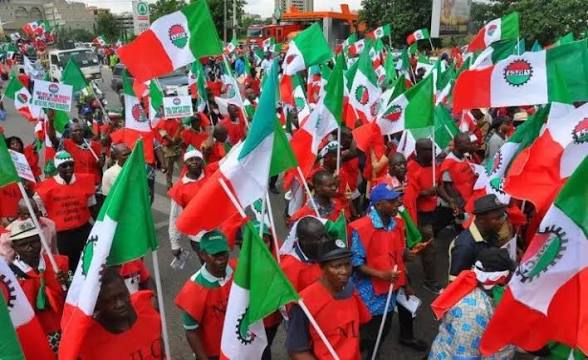
In response, the Nigeria Labour Congress (NLC) has called on the Federal Government to introduce urgent relief measures for workers. The labour union argues that ordinary Nigerians should not bear the burden of a global crisis they had no role in causing.
NLC’s Key Demands
The NLC is asking the government to introduce a cost-of-living allowance for workers to help them cope with rising expenses. It is also pushing for tax relief for low-income earners and the suspension of taxes on workers earning the minimum wage, which the union has described as unfair and exploitative given the current economic hardship.
In addition, the labour group is calling for a review and restructuring of the government’s cash transfer programme. According to the union, the scheme lacks transparency and has failed to reach many of the vulnerable Nigerians it was meant to support. The NLC believes any financial assistance provided through the programme should also be adjusted to reflect the current rate of inflation.

Concerns Over Nigeria’s Refineries
The labour union said the current fuel price situation highlights a long-standing problem in Nigeria’s energy sector. It pointed out that the country’s public refineries in Port Harcourt, Warri, and Kaduna remain largely non-functional, forcing the country to depend heavily on imported refined petroleum products.
Although the privately owned Dangote Refinery was expected to provide some relief, the NLC noted that its pricing has also been adjusted in line with international market rates. As a result, the rising global oil prices are still being directly felt by Nigerian consumers.
The union warned that as long as Nigeria’s fuel pricing remains tied to global oil market fluctuations, any international crisis—such as the current Middle East conflict—will continue to have immediate consequences for Nigerians.
Over the years, billions of naira have reportedly been spent on maintenance and rehabilitation of the country’s state-owned refineries, yet they remain largely inactive. The NLC is therefore demanding accountability for the funds spent and is calling on the government to ensure the immediate rehabilitation and full operation of the facilities.
Impact on Everyday Nigerians
The sharp rise in fuel prices is already having a ripple effect across the economy. Transport fares have increased significantly, while food prices continue to rise due to higher transportation and production costs.
For many workers whose salaries have remained unchanged despite rising inflation, meeting basic daily expenses is becoming increasingly difficult. According to the NLC, workers are now spending a larger portion of their income just to commute to work and provide food for their families.
The union warned that the situation could have broader economic consequences. When workers struggle to afford transportation, productivity can decline. Similarly, when families are unable to meet basic needs such as food, the social and economic impacts can become more severe.
Calls for Oil Revenue to Support Citizens
Despite the economic strain, projections from the Nigeria Economic Summit Group suggest that Nigeria could generate up to ₦30 trillion in additional oil revenue as a result of higher global oil prices linked to the Middle East crisis.
The NLC is therefore urging the government to channel a significant portion of this potential windfall into programmes that directly support citizens who are currently facing the consequences of rising fuel prices.
The union noted that in the past, Nigeria has experienced periods of increased oil revenue without ordinary citizens feeling the benefits.
Global Oil Market Reaction
International oil markets have already reacted to the conflict. The price of Brent crude has risen by about three percent, reaching approximately $106.50 per barrel.
Countries that depend heavily on imported refined petroleum products, including Nigeria, are among those most affected by the increase in global oil prices. As the situation continues to evolve, analysts warn that energy costs may remain volatile, potentially prolonging the financial strain on consumers.
Read more:
- Sundry Markets Hosts Free Medical Program for Yenagoa Residents
- What’s next for DJ Mafdee after his American Cola Club Talent Competition win?
- Court Drama as Sowore’s Lawyer Rejects Judge’s Order to Kneel
- Bellingham, Mbappé Return to Action as Arbeloa Updates on Their Fitness Before Man City Game
- Four Arrested in Oyo Over Alleged Cattle Theft
- FG Moves to Evacuate Citizens as Middle East Situation Worsens