FIFA has officially confirmed a groundbreaking addition to the 2026 World Cup Final, introducing the first-ever halftime show in the tournament’s long and storied 96-year history. The announcement marks a dramatic shift in how global football’s biggest event will be experienced, signaling a growing fusion between elite sport and large-scale entertainment on the world stage.
The decision, revealed by FIFA President Gianni Infantino in collaboration with the international advocacy organization Global Citizen, is being described as one of the most ambitious presentation changes ever made to football’s global showpiece. For the 2026 final, scheduled to take place at MetLife Stadium in the United States, fans will not only witness the climax of the world’s most prestigious football competition but also a curated musical performance designed to reach a global audience that FIFA estimates could exceed two billion viewers.
The move has already generated intense discussion across sporting, cultural, and entertainment circles. Supporters view it as a natural evolution of football as a global entertainment product, while critics argue that it risks altering the traditional rhythm and purity of the game. Regardless of the debate, the announcement has ensured that the 2026 World Cup final will be unlike anything seen before.
The Global Citizen Partnership and Vision
At the heart of this initiative is a long-term partnership between FIFA and Global Citizen, an organization known for its large-scale music-driven advocacy campaigns focused on education, poverty reduction, and global development goals. The halftime show is positioned as the flagship moment of this collaboration, which has been developing over several years.
The performance is scheduled for Sunday, July 19, 2026, at MetLife Stadium, which will carry a temporary tournament designation as New York New Jersey Stadium. The venue, already one of the most recognizable sporting arenas in the United States, is expected to undergo significant logistical transformation to accommodate both the match and the entertainment segment.
Read more on: Bayern Edge Real Madrid in All Time Classic to Seal Semi Final Place
According to FIFA and Global Citizen, the halftime show is not simply an added spectacle but part of a broader vision to merge sport with global impact storytelling. The project is being shaped with creative guidance from Chris Martin of Coldplay, who has served as Global Citizen’s international curator for many years. His involvement is expected to influence the tone and structure of the show, blending live performance energy with messages centered on global unity and social progress.
Organizers have outlined several core objectives for the event:
- Unite global audiences through music and football, creating a shared cultural moment that transcends borders and languages.
- Promote awareness for the FIFA Global Citizen Education Fund, an initiative aimed at expanding access to quality education for children around the world.
- Activate global engagement beyond the stadium, including a planned takeover of New York’s Times Square, where live screenings, performances, and interactive installations will run throughout the final weekend.
This multi-layered approach reflects FIFA’s broader ambition to turn the World Cup final into more than a sporting contest. Instead, it is being positioned as a global cultural festival anchored by football but amplified through music, media, and civic engagement.
Nigeria’s Place in the Global Spotlight
While the announcement has been met with excitement across continents, it carries a particularly emotional resonance in Nigeria. The Super Eagles’ path toward the 2026 World Cup has faced major setbacks, with qualification challenges leaving many fans uncertain about the national team’s presence at the tournament. Recent remarks from Shehu Dikko, Chairman of Nigeria’s National Sports Commission, suggested that the country’s competitive hopes for the tournament are effectively diminished, a statement that has contributed to disappointment among supporters.
However, even as Nigeria’s sporting prospects appear uncertain, the country’s cultural influence continues to rise at an extraordinary pace. In many ways, Nigeria is increasingly viewed as one of the global powerhouses of contemporary music, driven largely by the international success of Afrobeats.
This cultural strength has positioned Nigerian artists as leading contenders for participation in the halftime show. The 2025 FIFA Club World Cup already demonstrated the growing intersection between football and Afrobeats, when Nigerian singer Tems delivered a widely praised performance alongside international stars J Balvin and Doja Cat. That appearance is widely seen as a turning point, reinforcing the idea that African artists, particularly Nigerians, are now central to global entertainment programming linked to football.
Read more on: Arsenal Grind Out Sporting Draw to Reach Champions League Semi-Finals
As anticipation builds for the 2026 World Cup final, speculation has intensified around potential Nigerian performers. Names such as Burna Boy, Wizkid, and Davido are frequently mentioned in industry discussions as strong candidates for inclusion. Each of these artists has achieved significant global recognition, selling out major stadiums, topping international charts, and collaborating with some of the biggest names in global music.
For many observers, the potential presence of Nigerian artists at the halftime show would represent more than entertainment. It would symbolize a shift in global cultural power, where African music is no longer a peripheral influence but a defining force at the center of the world’s most visible events.
The Debate Over Football Tradition
Despite the excitement, FIFA’s decision has not gone unchallenged. Traditionalists within the football community have raised concerns about introducing a halftime performance into the World Cup final. Their argument is rooted in the belief that football’s halftime interval serves a critical tactical purpose, allowing players and coaches to regroup, adjust strategies, and recover physically.
Critics also question the practicality of staging a live musical performance in such a short interval. Concerns have been raised about pitch conditions, timing delays, and the potential disruption of the match’s rhythm. Some argue that football’s global appeal lies in its simplicity and uninterrupted flow, and that adding entertainment segments risks commercializing the sport to an excessive degree.
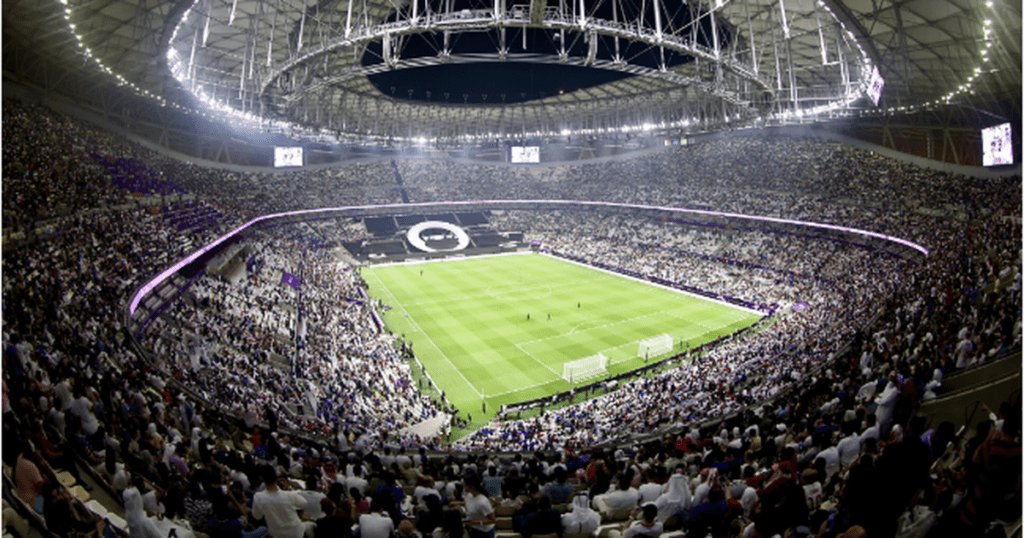
FIFA, however, has pushed back strongly against these concerns. The organization has pointed to the success of pre match and halftime entertainment elements in other competitions, including the UEFA Champions League final, where opening ceremonies and musical performances have become increasingly common. According to FIFA leadership, the 2026 World Cup halftime show represents a natural expansion of these trends on a larger, more global scale.
Gianni Infantino has described the initiative as a historic celebration designed to reflect the scale of the modern World Cup. With the tournament expanding to 48 teams for the first time, FIFA believes the event now demands a broader entertainment framework that matches its increased global reach and commercial significance.
Read more on: Real Madrid Mourns Santamaría as Bayern Clash Sets Stage for Emotional Comeback Bid
Entertainment, Influence, and Global Reach
Beyond the stadium itself, the halftime show is expected to have a far-reaching digital and cultural impact. Broadcast to billions of viewers worldwide, the performance will be designed not only for those in attendance but also for audiences across television and streaming platforms.
The involvement of Global Citizen suggests that the show will also carry a strong advocacy message, blending performance with social themes such as education, equity, and global development. This aligns with the organization’s history of using music festivals and celebrity-driven campaigns to mobilize public awareness and philanthropic action.
New York City, particularly Times Square, is expected to play a central role in the broader celebration. The final weekend of the World Cup will include large-scale public viewing events, immersive installations, and live performances designed to transform the city into a global fan zone. This approach reflects FIFA’s desire to extend the World Cup experience beyond the stadium and into urban cultural spaces.
Read more on: Chelle Targets NPFL Stars for Unity Cup Auditions Ahead of Key Friendlies
The Road Toward July 2026
As the world looks ahead to July 2026, anticipation continues to build around what is already being described as one of the most ambitious World Cup finals in history. The combination of an expanded tournament format, a high-profile venue, and now a globally broadcast halftime show has created expectations of an unprecedented sporting and entertainment spectacle.
For Nigeria, the moment carries a dual narrative. On one hand, there is the disappointment surrounding the national team’s uncertain competitive future. On the other, there is the growing possibility that Nigerian artists will play a defining role in the cultural identity of the tournament’s biggest night.
In a broader sense, the 2026 World Cup final is shaping up to be more than just a football match. It is becoming a reflection of how sport, entertainment, and global culture are increasingly intertwined. Whether this evolution will be embraced as a positive transformation or criticized as an over-commercialization of the game will likely remain a subject of debate long after the final whistle in New Jersey.
What is already clear, however, is that the world will be watching not only for the crowning of a world champion, but also for a halftime moment that could redefine how football’s biggest stage is experienced for generations to come.
Read more on:
- Atlético Madrid Withstand Barcelona Surge to Secure Semi Final Ticket
- PSG Break Liverpool Resistance and March Confidently into Semi Finals
- Veteran Neuer Set for Final Showdown as Bayern Face Rivals Real Madrid
- Ghana Appoint Carlos Queiroz as Black Stars Coach
- Popular Ghana Footballer Shot Dead in Night Robbery