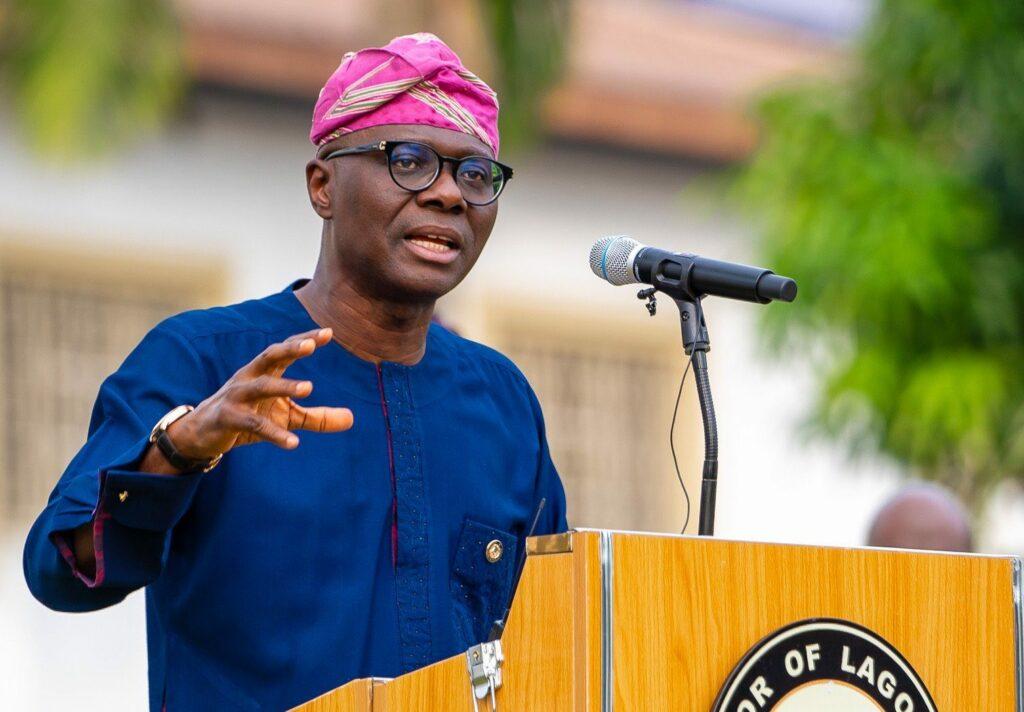
Babajide Sanwo-Olu, Governor of Lagos State, has announced that the newly introduced Lagos Education Access Fund (LEAF) will focus on enrolling about 50,000 out-of-school children into formal education while also improving learning outcomes in public schools across the state.
The governor made this known during the official launch of the initiative at Lagos House, Marina, according to a statement released on Sunday by Abe Adunola, Director of Public Affairs at the Lagos State Universal Basic Education Board.
Speaking at the event, Sanwo-Olu reaffirmed his administration’s commitment to ensuring that every child in Lagos has access to free and quality basic education. He described education as a key factor in promoting social mobility, developing human capital, and driving economic growth.
The governor explained that the programme is backed by a $25 million outcomes-based education fund, which is expected to benefit around 200,000 children across communities in the state. As part of the initiative, up to 50,000 out-of-school children aged between six and 14 will be enrolled into the formal education system.
In addition, the programme aims to strengthen basic literacy and numeracy skills for about 150,000 pupils already attending public schools.
Sanwo-Olu noted that the initiative builds on the success of Project Zero, a programme launched in 2021 to identify and reintegrate out-of-school children into the education system. According to him, more than 36,000 children have already been returned to school through the project.
He also explained that the programme aligns with the state government’s THEMES+ Development Agenda, particularly the education and technology pillar, which focuses on improving human capital development and building a knowledge-based society.
The governor highlighted the importance of community involvement in sustaining education development. He revealed that more than 360 parents and guardians have been trained in vocational skills such as fashion design, catering, soap making, and hairdressing to help them support their children’s education.
Sanwo-Olu also expressed gratitude to development partners including the Education Outcomes Fund, the Children’s Investment Fund Foundation, the Federal Ministry of Education, and the Ministry of Foreign Affairs of Japan for their support in improving education outcomes in the state.
He further commended the leadership of the Lagos State Universal Basic Education Board for their efforts in driving reforms in basic education.
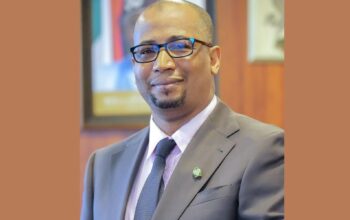
Earlier, the Commissioner for Basic and Secondary Education, Jamiu Alli-Balogun, described LEAF as an initiative that would strengthen Lagos’ education system and expand access to quality learning for children.
Also speaking at the event, the Chief Executive Officer of the Education Outcomes Fund, Amel Karboul, explained that the programme uses a results-based financing model designed to improve learning outcomes.
According to her, the approach focuses on measurable results such as school enrolment, retention, and completion, rather than traditional funding methods that only cover inputs like textbooks or teachers’ salaries.
“The innovation is that funding is tied to verified results rather than just resources provided,” she said.
Karboul added that the programme would rely on data-driven technology and monitoring systems to ensure that children enrol in school, remain there, and receive quality education.
Meanwhile, Eunice Ogolo, Director at the Children’s Investment Fund Foundation, announced that the organisation would provide $10 million in support for the programme.
She stressed the urgent need to address the growing number of children who are still outside the school system.
“When children are not in school or are not learning effectively, their future opportunities become limited,” she said.
Ogolo praised the Lagos State Government for prioritising results-driven initiatives and reaffirmed the foundation’s commitment to supporting programmes that ensure every child in Lagos gains basic literacy and numeracy skills.