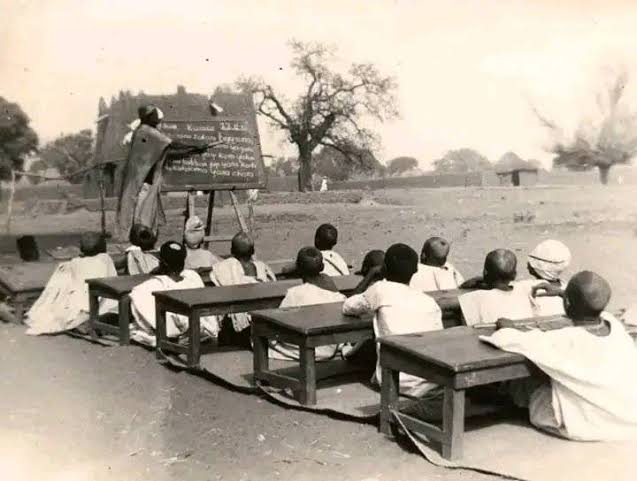
Long before Nigeria gained independence in 1960 and raised its green and white flag for the first time, a quiet but powerful transformation had already begun. A small group of determined individuals had traveled far beyond the shores of their homeland in search of Western education. Their journeys were not simply about personal advancement. They returned home with ideas, knowledge, and a renewed sense of purpose that would later shape the political, legal, and social foundations of modern Nigeria.
As of April 2026, historians and scholars are once again turning their attention to these early intellectual pioneers. By examining their experiences abroad and the impact they made upon returning, a clearer picture is emerging of how education became one of the most important tools in Nigeria’s journey toward nationhood.
The Earliest Known Pioneer
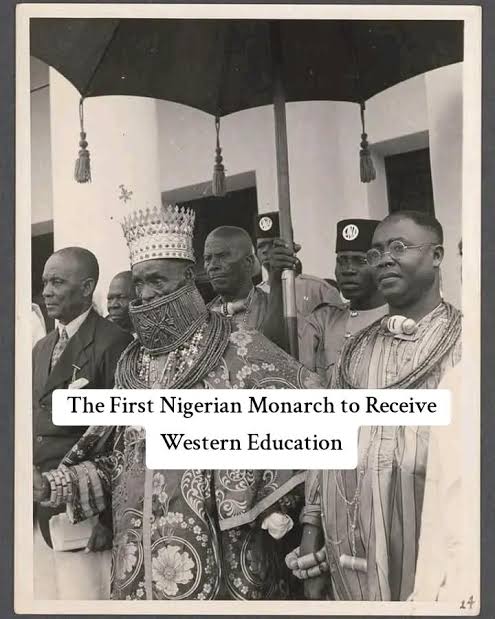
When discussing the origins of formal education among Nigerians, many people naturally look to the nineteenth century. However, the story begins much earlier. One of the earliest recorded cases dates back to the year 1600, when Prince Oyeomasan from the Warri Kingdom, located in present day Delta State, was sent to Portugal for his studies.
At a time when such a journey was almost unimaginable, the young prince enrolled at the University of Coimbra, one of the oldest and most respected institutions in Europe. There, he studied theology and was exposed to European systems of governance, religion, and diplomacy. His time abroad was not just an academic experience but also a cultural exchange that broadened his worldview.
When he returned to his homeland in 1611, he ascended the throne as Olu Atuwatse I. Armed with knowledge gained from his education, he introduced new ideas that transformed the Warri Kingdom into a more structured and diplomatically engaged society. His reign demonstrated that African rulers could interact with European powers from a position of intellectual strength and mutual respect. This early example set a precedent that would echo centuries later as more Nigerians sought education abroad.
Read more on: 10 Ways Your Phone Is Slowly Harming Your Body and Mind
The Rise of Western Education in the Nineteenth Century
By the mid nineteenth century, the pursuit of Western education among Nigerians began to take a more structured form. This period saw the return of freed slaves from Sierra Leone, often referred to as the Saro. Many of them had been exposed to Western schooling and Christian missionary influence, and they brought back a strong desire to expand educational opportunities within Nigeria.
Among this group emerged individuals who would go on to make significant contributions in various professional fields. One of the most notable figures of this era was Dr. Nathaniel King, a pioneer in the field of medicine.
The Medical Trailblazer
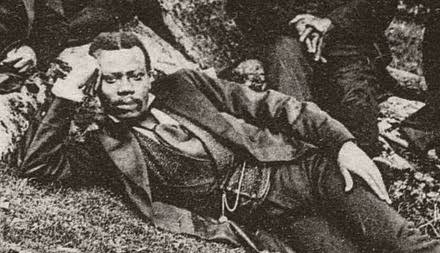
Dr. Nathaniel King represents one of the earliest examples of a Nigerian who used Western education to address pressing local challenges. His academic journey began in London at King’s College, after which he proceeded to the University of Aberdeen in Scotland. In 1876, he successfully earned a degree in medicine, marking a major milestone at a time when very few Africans had access to such training.
Upon returning to Lagos, Dr. King did not limit himself to private medical practice. Instead, he became deeply involved in improving public health conditions. During this period, diseases such as malaria and yellow fever were widespread and often deadly. Recognizing the need for a more organized approach to healthcare, he advocated for better sanitation systems and public health awareness.
His work highlighted the importance of adapting Western medical knowledge to suit local environmental realities. Rather than simply applying foreign practices, he sought ways to make them effective within the Nigerian context. This approach laid an important foundation for the development of modern healthcare in the country and demonstrated how education could be used to solve real societal problems.
Read more on: Victor Glover: First Black Astronaut Heads Toward the Moon on Artemis II
The Birth of the Legal Profession
While medicine addressed physical well being, another field was emerging that would play a crucial role in shaping Nigeria’s political future. The legal profession became a powerful tool for challenging colonial authority and advocating for the rights of indigenous people.
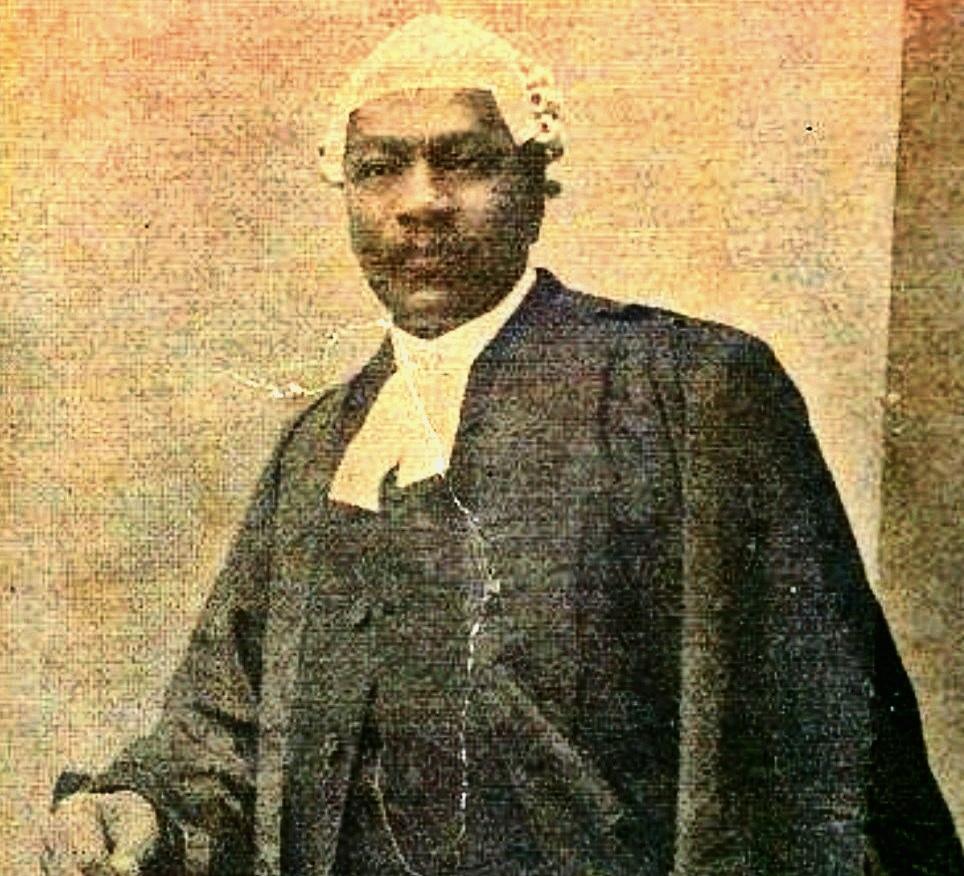
Christopher Alexander Sapara Williams stands out as a central figure in this development. Determined to pursue a career in law, he traveled to London where he studied at the Inner Temple, one of the prestigious institutions responsible for training barristers in England. In November 1879, he was called to the English bar, becoming the first indigenous Nigerian to achieve this distinction.
Upon his return, Sapara Williams quickly established himself as a leading legal practitioner. However, his influence extended far beyond the courtroom. He became actively involved in the Lagos Legislative Council, where he used his legal expertise to question and challenge colonial policies.
One of his most notable contributions was his opposition to unfair land laws that disadvantaged local populations. At a time when colonial authorities often imposed regulations without considering the interests of Nigerians, Sapara Williams stood as a voice of resistance. His belief that legal practitioners should serve the interests of their people became a guiding principle that continues to influence the Nigerian legal profession today.
A New Wave of Thought
As the twentieth century approached, the focus of Western educated Nigerians began to expand beyond professional careers. A new generation emerged that was deeply concerned with political identity, self determination, and the broader question of independence.
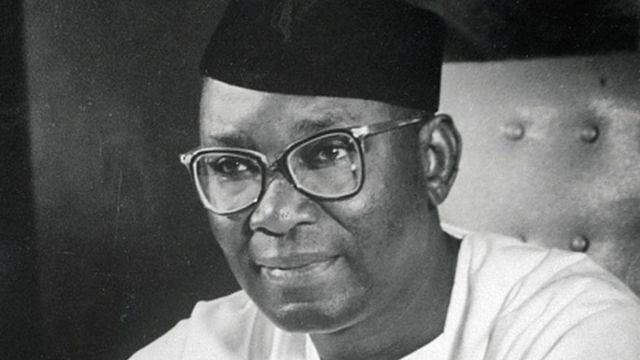
Among the most influential figures of this era was Dr. Nnamdi Azikiwe, widely known as Zik of Africa. Unlike many of his predecessors who chose to study in Britain, Azikiwe took a different path by traveling to the United States. There, he attended Lincoln University and pursued studies in Political Science and Anthropology, earning multiple degrees by 1933.
His time in America exposed him to ideas that would profoundly shape his worldview. He encountered the Civil Rights movement and engaged with Pan Africanist thought, both of which emphasized equality, justice, and the empowerment of people of African descent. These experiences had a lasting impact on his vision for Nigeria.
Upon returning home, Azikiwe did not simply seek a position within the colonial system. Instead, he became a leading voice in the struggle for independence. Through his newspaper, the West African Pilot, he used journalism as a powerful tool to educate and mobilize the public. His writings challenged colonial authority and inspired a generation to believe in the possibility of self governance.
Read more on: From From Fame to Faith: Nigerian Celebrities Who Found Purpose in Ministry
Building the Foundations of a Nation
The contributions of these early graduates went far beyond individual achievements. Collectively, they played a crucial role in preparing Nigeria for independence by transforming the intellectual and social landscape of the country.
One of their most important achievements was challenging the notion of African inferiority. By excelling in prestigious institutions across Europe and America, they demonstrated that Nigerians were capable of competing at the highest levels of intellectual achievement. This helped to break down stereotypes that had been used to justify colonial rule.
They also contributed to the emergence of a new form of leadership. While traditional rulers had long held authority, the rise of an educated elite introduced a different dimension to governance. These individuals combined academic knowledge with a deep understanding of local realities, making them effective advocates for change.
In addition, they were instrumental in building key institutions that would support national development. Schools, hospitals, and law firms established by these pioneers became the backbone of Nigeria’s early infrastructure. Their efforts also led to increased demand for higher education within the country, eventually resulting in the establishment of institutions such as Yaba Higher College.
A Lasting Legacy
The legacy of Nigeria’s first generation of Western educated graduates continues to resonate today. Their journeys were not easy, as they often faced cultural barriers, financial challenges, and the uncertainties of studying in foreign lands. Yet, they remained committed to a vision that extended beyond personal success.
Their stories serve as a reminder that education can be a powerful force for transformation. By acquiring knowledge and applying it to the needs of their society, they were able to influence the course of history in a meaningful way.
Today, many Nigerians continue to travel abroad in pursuit of education, following a path that was first carved out centuries ago. While the context may have changed, the underlying principle remains the same. Education is not just about earning a certificate. It is about gaining the tools needed to contribute to society and drive progress.
In reflecting on the journeys of these pioneers, it becomes clear that their impact goes far beyond their individual accomplishments. They laid the groundwork for a nation that would eventually stand on its own, guided by the ideas, institutions, and values they helped to establish.
Read more on:
- Basketmouth Ex-Wife Elsie Okpocha Responds to Viral Claims About Her Children’s Paternity
- From Cancer Claim to Controversy: Blessing CEO Faces Forgery Allegations
- Skales Slams Chief Priest for Political Take on Plateau Palm Sunday Tragedy
- Social Media Erupts After Funmi Akindele Appears to Snub Toyin Abraham