For many young women, faith is personal. It is where you find direction, comfort, and guidance. And often, spiritual leaders play a big role in that journey.
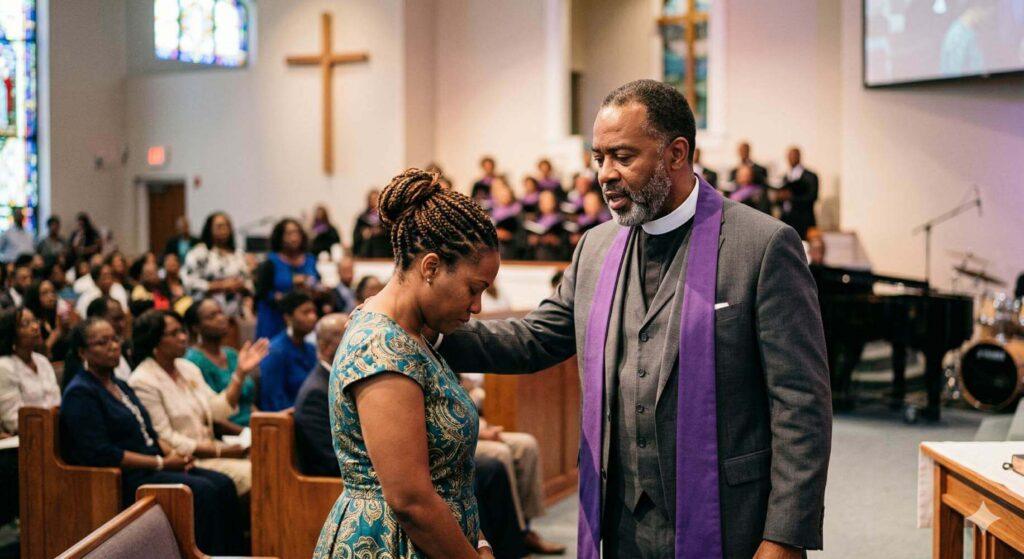
But here is the truth people do not always say out loud. Not everyone in a position of spiritual authority uses that influence the right way.
This is not about creating fear. It is about awareness, so you can protect yourself while still holding on to your faith.
Why This Conversation Is More Important Than Ever
Across campuses and communities, more young women are quietly sharing similar experiences.
It often starts innocently. Advice turns into frequent conversations. Guidance becomes emotional closeness. Then slowly, things begin to feel uncomfortable.
Many do not speak up early because they feel confused, guilty, or unsure.
Experts in youth and relationship counseling often warn that power imbalance and emotional trust can sometimes be misused especially when one person is seen as a spiritual authority.

At the same time, it is important to say this clearly.
There are many genuine pastors and leaders who guide people with integrity.
The goal here is not to generalize. It is to help you recognize when something is not right.
Common Situations Young Women Have Faced
Some experiences shared by young women include:
- Getting into relationships because someone holds a spiritual title
- Feeling pressured to keep things secret
- Being told what to do using “spiritual authority”
- Emotional attachment followed by sudden rejection with religious reasons
- Feeling uncomfortable after personal boundaries were crossed
These situations can be emotionally draining and confusing, especially when trust is involved.
Read more on: Dangote Petroleum Sparks Fuel Surge: Petrol at ₦1,275, Diesel at ₦1,950
Red Flags You Should Never Ignore
Not every situation is obvious at first, but here are signs to watch closely:
- They use their position to control your personal choices
- They discourage you from talking to others about your relationship
- They create private or isolated situations unnecessarily
- They cross boundaries and then justify it spiritually
- They make you feel guilty for saying no
A healthy mentor or leader will never make you feel pressured, unsafe, or confused.

How to Protect Yourself Without Losing Your Faith
You can stay grounded in your faith and still protect yourself.
Here is how:
- Know your boundaries: Be clear about what you are comfortable with and stand by it.
- Avoid unnecessary privacy: Try not to put yourself in situations where you are alone behind closed doors with someone you are unsure about.
- Speak up early: If something feels off, talk to someone you trust. Silence often makes things worse.
- Separate guidance from control: Spiritual advice should guide you, not control your life.
- Trust your instincts: That uncomfortable feeling is there for a reason. Do not ignore it.
Read more on: Trump Warns of Civilizational Destruction as Iran Deadline Approaches
A Message to Parents and Guardians
This conversation is just as important for parents.
Create a safe space where your daughters can talk freely about relationships, faith, and experiences without fear of judgment.
Teach them about:
- Boundaries
- Self respect
- Emotional awareness
- The difference between guidance and control
When communication is open, it becomes easier to protect them.
Read more on: Trump Warns of Civilizational Destruction as Iran Deadline Approaches
Faith Should Feel Safe
Faith is meant to bring peace, clarity, and growth. It should never feel like pressure, fear, or confusion. There are many good leaders out there. But awareness helps you identify the wrong ones before it is too late.
Final Thoughts
The goal is not fear. It is understanding. The more informed you are, the harder it becomes for anyone to take advantage of your trust. Protect your peace. Protect your boundaries. And never feel guilty for choosing yourself.