What was meant to be a day of joy, reflection, and celebration turned into a moment of grief and terror for residents of Ariko community in Kaduna State. On Easter Sunday, April 5, 2026, suspected terrorists launched a violent attack on Christian worshippers gathered in church services, leaving several people dead and many others abducted. The incident has once again drawn attention to the persistent security challenges facing rural communities in parts of northern Nigeria.
Despite the scale of the assault, a swift response by the Nigerian Army prevented an even greater tragedy. Troops were able to engage the attackers and rescue dozens of kidnapped villagers, bringing a measure of relief to a community that is now grappling with both loss and trauma.
A Morning of Worship Turns to Chaos
The attack took place in Ariko Village, located in Kachia Local Government Area of Kaduna State. On that Sunday morning, residents had gathered at two major places of worship, the First ECWA Church and St. Augustine Catholic Church, to mark Easter celebrations.
Eyewitnesses recount that the services were underway when the sound of gunfire shattered the calm atmosphere. Armed men, described as heavily equipped and organized, had surrounded the community. Panic quickly spread as the attackers began firing sporadically, sending worshippers scrambling for safety.
Local officials, including the councillor representing Awon Ward, Honorable Mark Bawa, confirmed that the attackers moved swiftly and strategically. Many residents were caught off guard, as the assault appeared to be coordinated and deliberate.
One of the major challenges during the initial moments of the attack was the lack of reliable telecommunications in the area. Residents struggled to reach security agencies or call for help, which allowed the attackers to operate for a period without immediate resistance.
Read more on: Man Arrested for Burning His Father Alive in Kazaure
Casualties and Abductions
As the situation unfolded, the attackers inflicted significant harm on the community. Several lives were lost during the initial phase of the attack. While different reports provided varying figures, it has been confirmed that at least six people were killed, with some accounts suggesting the number could be slightly higher.
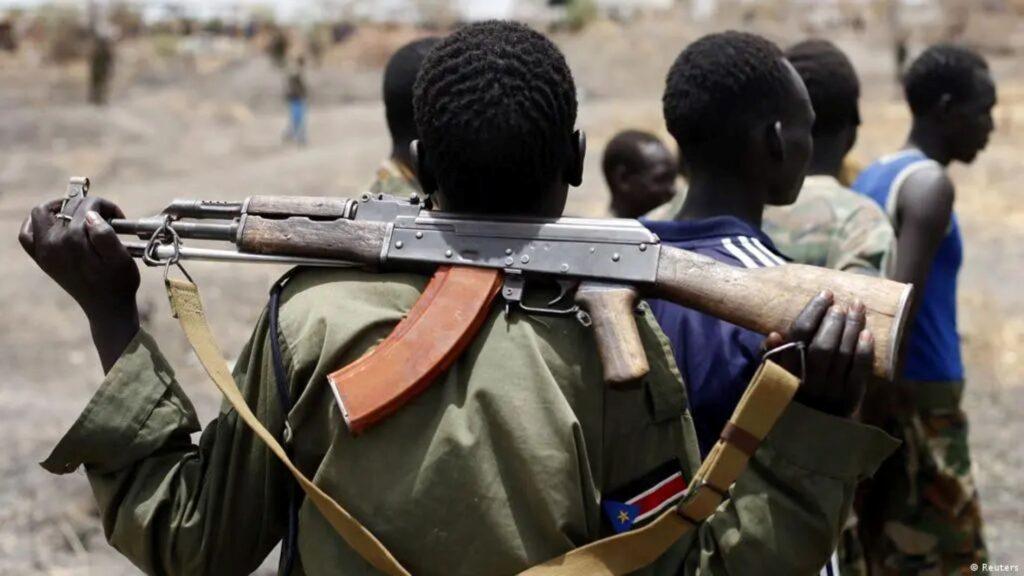
The violence did not end with the killings. The attackers also abducted a large number of villagers, including women and children. Survivors described how the gunmen forced their captives into the surrounding forests, using threats and violence to maintain control.
The abductions added another layer of anguish to an already devastating situation. Families were left in distress, unsure of the fate of their loved ones who had been taken away.
Swift Military Response
Amid the chaos, a distress signal eventually reached the Nigerian Army. Troops from the Joint Task Force operating in the North West region, known as Operation Fansan Yamma, were quickly mobilized to respond to the emergency.
The speed of the military’s reaction proved to be critical. By the time the troops arrived in the area, the attackers were already attempting to retreat into the forest with their captives. However, the soldiers wasted no time in pursuing them.
An important factor in the success of the operation was the cooperation between the military and members of the local community. Residents who were familiar with the terrain provided guidance, helping the troops navigate the area and track the movement of the attackers.
This collaboration enabled the soldiers to close in on the group within a relatively short period, setting the stage for a confrontation that would determine the outcome of the rescue effort.
Read more on: INEC’s Voter Revalidation Plan Sparks Nationwide Political Tension
The Confrontation in the Forest
The troops eventually caught up with the fleeing attackers in a forested area. What followed was an intense exchange of gunfire between the soldiers and the armed group.
According to military accounts, the attackers were met with strong resistance and were unable to withstand the level of firepower deployed by the troops. As the pressure mounted, the gunmen were forced to abandon their captives in order to facilitate their own escape.
This development proved to be a turning point in the operation. A total of 31 abducted villagers were successfully rescued during the engagement. Among those freed were women and children who had been taken from the churches and surrounding homes.
One of the rescued individuals was reported to have sustained injuries and was immediately taken to a medical facility for treatment. The condition of the others was not fully detailed, but their return was met with relief and gratitude by their families.
Aftermath of the Rescue
While the rescue operation was largely successful, the aftermath revealed the full extent of the tragedy. Security forces discovered the bodies of five victims at the scene of the confrontation. These individuals are believed to have been killed by the attackers before the military could intervene.
The discovery underscored the brutality of the assault and the narrow window within which the rescue took place. For many in the community, the loss of lives has cast a long shadow over what should have been a day of celebration.
Military officials also noted that the attackers did not escape without consequences. Evidence at the scene indicated that some of them were either killed or injured during the firefight. Blood traces were reportedly observed along their escape routes, suggesting that the engagement had inflicted significant damage on the group.
Read more on: 11 Killed, Dozens of Homes Destroyed in Deadly Reprisal Attack
Security Measures and Ongoing Operations
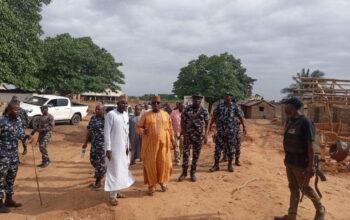
In response to the attack, additional security measures have been put in place to stabilize the area. Reinforcements have been deployed to Kachia Local Government Area to prevent further incidents and reassure residents.
Security agencies have also intensified surveillance in the surrounding forests, with the aim of tracking down the remaining members of the group responsible for the attack. The operation is ongoing, and authorities have expressed determination to bring the perpetrators to justice.
Speaking during an Easter event in Kaduna, the Chief of Air Staff, Air Marshal Sunday Aneke, emphasized the military’s commitment to addressing the security challenges facing the region. He highlighted the importance of coordinated efforts among different branches of the armed forces and reaffirmed the use of air power and ground operations to combat armed groups.
A Community in Mourning
Back in Ariko, the mood remains somber. The joy that typically accompanies Easter celebrations has been replaced by grief and reflection. Families are mourning loved ones who lost their lives, while others are trying to come to terms with the trauma of the experience.
For the 31 individuals who were rescued, the return home has brought relief, but it has also been accompanied by the emotional toll of what they endured. The community as a whole is now faced with the challenge of healing and rebuilding.
The attack has also reignited concerns about the vulnerability of rural communities, particularly during religious gatherings. Incidents of this nature are not entirely new to the region. Just a few months earlier, a similar attack occurred in another community, raising questions about the effectiveness of existing security measures.
Read more on: Iran Declines U.S. 48-Hour Ceasefire Proposal Amid Rising Tensions
Looking Ahead
As investigations continue and security operations intensify, there is a growing call for more proactive measures to protect vulnerable communities. Many residents believe that increased presence of security personnel, improved communication infrastructure, and stronger collaboration between authorities and local communities could help prevent future incidents.
For now, the focus remains on supporting those affected and ensuring that justice is served. The events of that Easter Sunday will not be easily forgotten. They serve as a stark reminder of the challenges that still lie ahead in the quest for peace and security.
In Ariko, Easter 2026 will be remembered not for celebration, but for loss, courage, and the resilience of a community that endured one of its darkest moments.
Read more on: