The political atmosphere in Borno State has become increasingly tense following the aftermath of a devastating military operation carried out at Jilli Market, a well-known trading point situated along the fragile border between Borno and Yobe states. What began as a reported tactical strike by the Air Component of Operation Hadin Kai has now evolved into a deeply emotional and controversial issue, raising serious concerns about civilian safety, military intelligence, and the realities of life in conflict-affected regions.
The incident, which occurred on Saturday, April 11, 2026, has drawn widespread attention due to the scale of casualties reported. Early accounts suggested that dozens of people had lost their lives, but as more information emerged, the figures appeared to rise significantly. Some estimates now place the death toll anywhere between 50 and 200 individuals, many of whom were believed to be civilians engaged in trading activities at the time of the strike. The magnitude of the tragedy has not only shocked local communities but has also sparked national and international reactions.
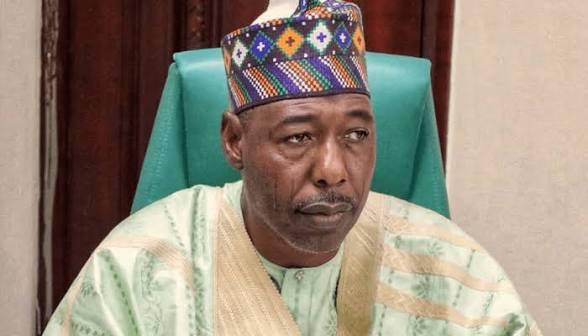
In the wake of the incident, Governor Babagana Umara Zulum addressed the situation publicly for the first time on Sunday, April 12, 2026. His response, delivered through his Special Adviser on Media, Dauda Iliya, introduced a critical dimension to the ongoing conversation. Rather than focusing solely on the tragic loss of life, the governor emphasized the legal and security status of Jilli Market itself, a position that has since shaped the direction of public discourse.
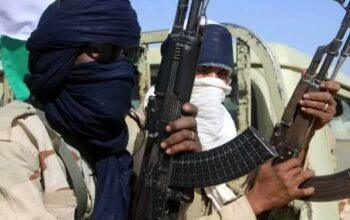
Governor Zulum made it clear that the Borno State Government had officially shut down Jilli Market, along with the nearby Gazabure Market, as far back as 2021. According to him, the decision to close these markets was not arbitrary but based on serious security concerns. He explained that intelligence reports at the time had identified the location as a major logistical hub for insurgent groups operating in the region, particularly Boko Haram and ISWAP.
Read more on: Six-Day Ultimatum as Bandits Demand 700 Cattle and 1,000 Sheep from Residents
The governor stated that these groups had been using the market as a base for sourcing supplies and collecting levies from traders, some of whom may have been unaware of the full implications of their activities, while others might have been complicit. From the government’s perspective, the closure of the market was a necessary step aimed at disrupting the supply chains that sustain insurgent operations.
His remarks carried a firm tone, stressing that the market should not have been operational at the time of the strike. This assertion has raised difficult questions about why traders were present in large numbers despite the official ban and whether economic pressures forced residents to return to the area regardless of the risks involved.
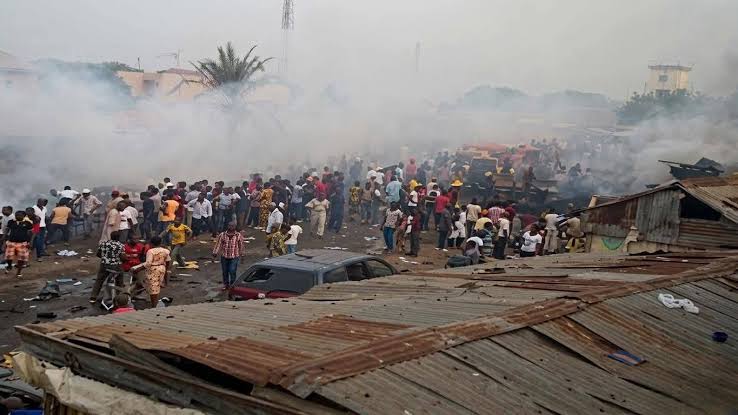
The events of that Saturday evening have been described as chaotic and tragic. The airstrike reportedly took place during peak trading hours when the market was filled with activity. Initial statements from the Nigerian Air Force indicated that the operation had targeted a terrorist enclave based on credible intelligence. According to these reports, there had been information suggesting that a significant number of militants had gathered at the location, possibly to extort traders or coordinate logistics.
However, accounts from the ground painted a much more complex and troubling picture. Witnesses and local sources described scenes of confusion and devastation, with many civilians caught in the blast. Human rights organizations, including Amnesty International, have since stepped in to assess the situation. Amnesty reported that it had verified more than 100 deaths, describing the incident as deeply concerning and calling for a thorough investigation into what went wrong.
Local leaders have also provided their own estimates. Lawan Zanna Nur Geidam, a community figure, suggested that the total number of casualties, including those injured, could reach as high as 200. These figures remain subject to verification, but they underscore the scale of the tragedy and the urgent need for clarity.
Read more on: Another Top Legislator Passes Away as Circumstances Unfold
One of the complicating factors in this situation is the geographic location of Jilli Market. Positioned along the border between Borno and Yobe states, the market serves as a point of interaction for communities from both regions. Many of the traders present on the day of the strike were reportedly from Geidam in Yobe State, who had crossed into the Gubio axis of Borno to participate in the weekly trading activities.
This cross-border dynamic has meant that the impact of the incident is not confined to a single state. Authorities in Yobe have also been drawn into the response efforts, with reports indicating that a significant number of victims were residents of that state. Emergency management agencies have been deployed to provide medical assistance and support to those affected.
Governor Zulum, in his statement, did not limit his remarks to the issue of the market’s closure. He also issued a strong warning to residents of border communities, urging them to adhere strictly to government directives regarding security and movement. He emphasized that the state operates a coordinated system with the military when it comes to resettlement and the reopening of markets or communities that had previously been closed due to insurgent threats.
According to the governor, unauthorized activities in such areas create dangerous situations where it becomes difficult for security forces to distinguish between civilians and individuals supporting insurgent groups. He described these areas as grey zones, where the lack of clear boundaries between legitimate and illegitimate activities increases the risk of tragic outcomes like the one witnessed at Jilli.
He further warned that anyone found to be aiding or harboring insurgents would face serious legal consequences. This aspect of his statement has sparked debate, with some interpreting it as a necessary stance in the fight against insurgency, while others view it as an attempt to shift responsibility away from the military operation itself.
Read more on: Atiku Criticizes Tinubu Over Nigeria and Kenya Fuel Price Comparison
Despite the governor’s firm position, the incident has triggered widespread outrage and calls for accountability. The Nigerian Air Force has acknowledged the seriousness of the situation and has activated its Civilian Harm Accident and Investigation Cell to conduct a detailed review of the operation. This internal probe is expected to examine the intelligence that led to the strike, the execution of the mission, and the circumstances that resulted in civilian casualties.
Meanwhile, officials in Yobe State have confirmed their involvement in ongoing response efforts. Brigadier General Dahiru Abdulsalam, who serves as a military adviser to the Yobe State Government, stated that many of the victims were indeed from Yobe communities. He noted that the State Emergency Management Agency has been working on the ground to provide immediate relief, including medical care for the injured.
Hospitals in both Geidam and Maiduguri have reportedly been overwhelmed by the influx of patients suffering from various injuries, including burns and shrapnel wounds. Medical personnel are said to be working under significant pressure to attend to the survivors, highlighting the human cost of the incident beyond the immediate fatalities.
Human rights organizations have continued to voice their concerns. Amnesty International has described the strike as a devastating failure of intelligence and has called for a transparent and independent investigation. The organization has stressed the importance of accountability and the need to ensure that measures are put in place to prevent similar incidents in the future.
As of Monday, April 13, 2026, discussions are ongoing at multiple levels of government and the military. Governor Zulum is reportedly in close communication with his counterpart in Yobe State, Governor Mai Mala Buni, as well as with senior military officials. These discussions are focused on understanding how a market that had been officially closed for several years came to be active again, attracting large numbers of traders.
Read more on: 16 Residents Killed as Security Forces Neutralize 110 Bandits in Niger State
The situation also highlights a broader issue that extends beyond security policies and military operations. For many residents of these border communities, economic survival often depends on access to markets like Jilli. Despite the risks and restrictions, people may feel compelled to return to such locations in order to sustain their livelihoods. This creates a difficult balance between enforcing security measures and addressing the economic realities faced by local populations.
In the end, the tragedy at Jilli Market serves as a stark reminder of the complexities involved in managing conflict zones. While the government maintains that the market was not authorized to operate, the presence of civilians underscores the challenges of implementing such directives in areas where poverty and insecurity are deeply intertwined.
The incident has left families grieving, communities shaken, and authorities under pressure to provide answers. As investigations continue and more details emerge, the hope among many observers is that lessons will be learned and that steps will be taken to reduce the likelihood of similar case in the future.
Read more on:
- Court Sentences Former Senatorial Candidate
- Court Schedules April 14 Hearing in ADC Leadership Rift
- Army Counters Misinformation, Clarifies Circumstances Surrounding General Braimah’s Death
- Eight Family Members Killed in Late Night Attack on Bokkos Community
- Bandits Trigger Panic, Demand 700 Cows and 1,000 Sheep
- Boko Haram Attack Claims Senior Nigerian General in Born