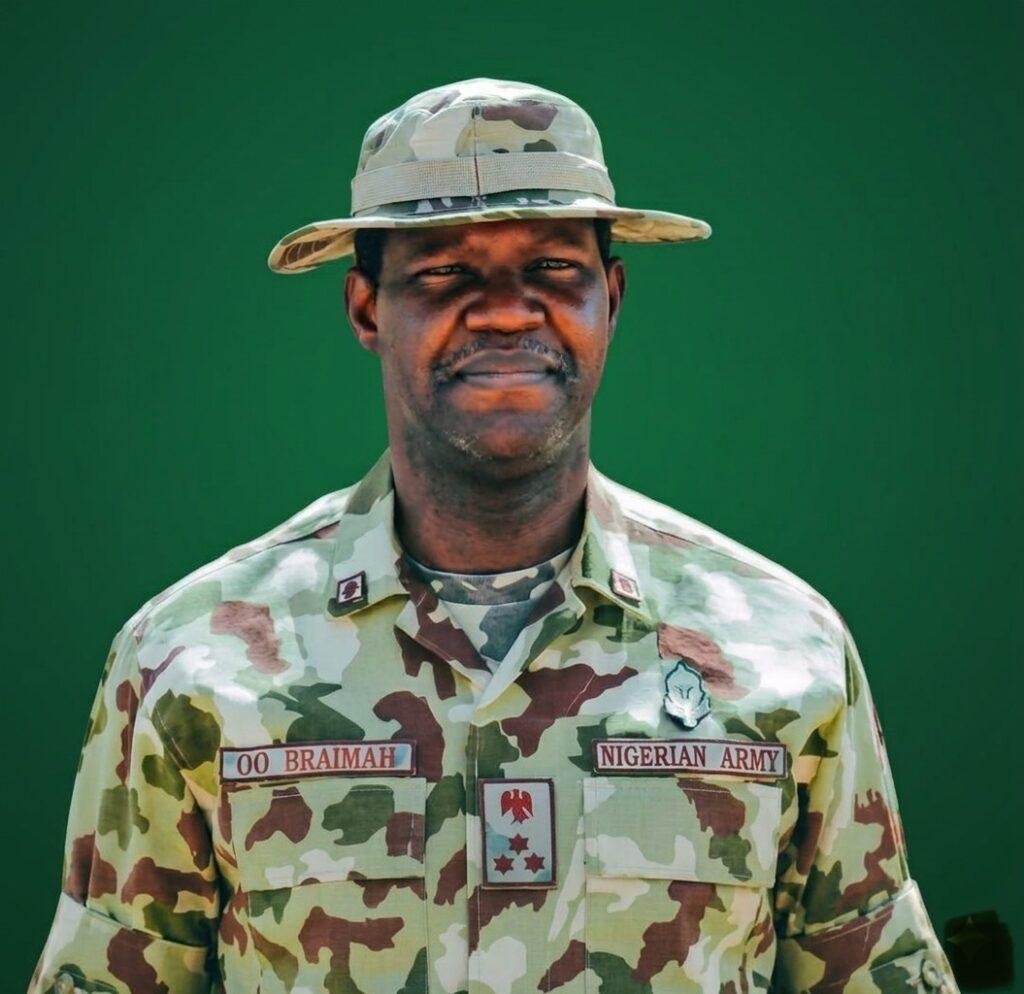
Nigeria is once again confronted with the harsh realities of its long running insurgency in the northeast, following the death of a senior military officer, Brigadier General Oseni Braimah. The tragic incident, which occurred in the early hours of April 9, 2026, has sent shockwaves through the armed forces and the nation at large.
General Braimah, who served as the Commander of the 29 Task Force Brigade, lost his life during a large scale and highly coordinated assault carried out by Boko Haram insurgents. His death represents one of the most significant losses for the Nigerian military in recent times and highlights the persistent threat posed by extremist groups operating in the region.
For many Nigerians, the news is both heartbreaking and deeply concerning. The loss of a high ranking officer not only underscores the dangers faced by troops on the front lines but also raises questions about the evolving tactics of insurgent groups and the broader security situation in Borno State.
A Carefully Planned Night Attack
Details emerging from security sources indicate that the attack was far from spontaneous. Instead, it appears to have been a well planned operation designed to stretch military resources and create confusion before striking a critical target.
The assault reportedly began late on Wednesday night, around 10:30 PM, when insurgents launched attacks on nearby communities including Pulka and Bakin Ruwa. These initial strikes are believed to have served as a diversion, drawing attention and potentially redeploying security personnel away from the main objective.
While troops and local defenses were focused on these areas, the insurgents prepared for their primary assault. At approximately 12:30 AM, a large number of fighters moved toward the headquarters of the 29 Task Force Brigade in Benisheikh, a strategic location situated about 75 kilometers from Maiduguri, the Borno State capital.
The attackers were heavily armed and appeared to have a clear understanding of the terrain and the military formation they were targeting. Witness accounts and intelligence reports suggest that they approached from multiple directions, creating pressure on the base and making it difficult for the defenders to respond effectively.
Read more on: U.S. Marks Plateau, Kano and 21 Other States as High-Risk Travel Zones
Intense Fighting and Heavy Damage
What followed was a prolonged and intense gun battle that lasted for several hours. The insurgents, reportedly superior in number, engaged the troops in fierce combat, using a combination of heavy weapons and coordinated movement to breach defensive positions.
During the exchange, several military vehicles and buildings within the base were set ablaze. The scale of destruction indicates that the attackers were determined not only to inflict casualties but also to damage critical infrastructure.
Despite the heavy assault, soldiers at the base resisted strongly. Initial statements from military authorities praised the courage and resilience of the troops, noting that they fought back with determination and managed to repel the attackers. However, the cost of that resistance was high.
The Death of a Senior Commander
Brigadier General Oseni Braimah was reportedly at the forefront of the defense, coordinating efforts and leading his men during the attack. His presence on the ground reflects the leadership style often expected of senior officers in active conflict zones, where direct involvement can boost morale and ensure swift decision making.
Tragically, he was killed during the confrontation. His death was later confirmed by local officials and security sources, who also reported that several other soldiers lost their lives in the same incident. Estimates suggest that at least 18 military personnel may have been killed, although the exact number is still being verified.
The loss of General Braimah is particularly significant because of his rank and role. As the commander of the 29 Task Force Brigade, he was responsible for overseeing operations in a critical sector of the counter insurgency campaign. His experience and leadership were considered valuable assets in the ongoing fight against Boko Haram.
Read more on: Wike-Backed PDP Slams Makinde Over ADC Alliance Plans for 2027
Rising Concerns Over Insurgent Activity
This attack comes at a time when there are growing concerns about an increase in insurgent activity across parts of northern Nigeria. Security analysts have noted that groups like Boko Haram and its splinter factions appear to be intensifying their operations, possibly in an effort to reassert their presence and challenge military gains made in recent years.
The tactics used in this latest assault reflect a level of coordination and planning that suggests the insurgents are adapting. By launching simultaneous attacks in different locations and focusing on high value targets, they are attempting to stretch security forces and exploit vulnerabilities.
The death of a senior officer can also have psychological effects, both within the military and among the general population. It may be intended to send a message, aiming to undermine confidence and create a perception of instability.
Strategic Importance of the Affected Area
Benisheikh and the surrounding Kaga Local Government Area hold strategic importance in the fight against insurgency. The region serves as a key link between Maiduguri and Damaturu, making it a vital corridor for military logistics and civilian movement.
Maintaining control over this area is essential for ensuring the flow of supplies and reinforcing positions across the northeast. Any disruption in this corridor can have wider implications for ongoing operations.
General Braimah’s role in this region involved not only overseeing military activities but also coordinating efforts under Operation Hadin Kai, the broader campaign aimed at combating insurgency in the northeast. His loss therefore represents both a tactical and operational setback.
Read more on: Trump Administration Petitioned by U.S. Lobbyists Over INEC’s ADC Decision
Military Response and Ongoing Operations
In the aftermath of the attack, the Nigerian military has intensified its response. Air support has been deployed to track and engage the insurgents as they retreat toward known hideouts, including areas around the Sambisa forest.
Reports indicate that the Nigerian Air Force is conducting surveillance and strike missions aimed at disrupting the movement of the attackers and preventing them from regrouping. Ground troops are also expected to carry out follow up operations to secure the area and assess the extent of the damage.
These actions are part of a broader effort to reassert control and demonstrate that the military remains capable of responding effectively to threats. However, the situation remains fluid, and security forces are likely to maintain a heightened state of alert in the coming days.
National Reaction and Mourning
News of General Braimah’s death has prompted an outpouring of grief and tributes from across the country. Fellow officers, government officials, and members of the public have expressed their condolences to his family and praised his service to the nation.
For many, his death is a stark reminder of the sacrifices made by members of the armed forces. Soldiers operating in conflict zones face constant danger, often under challenging conditions, as they work to protect civilians and maintain stability.
The Defence Headquarters has also extended its sympathies to the families of all those who lost their lives in the attack. At the same time, it has urged the public to remain cautious about sharing unverified information, particularly details that could compromise ongoing military operations.
Read more on: Atiku, Obi, Kwankwaso Lead Opposition Protest Claiming INEC Bias
Broader Implications for Security
The incident raises important questions about the current state of security in the northeast and the effectiveness of existing strategies. While progress has been made in reducing the territorial control of insurgent groups, attacks such as this highlight the need for continued vigilance and adaptation.
Addressing the insurgency requires a multifaceted approach that goes beyond military action. Intelligence gathering, community engagement, and efforts to address underlying social and economic issues all play a role in creating long term stability.
At the same time, ensuring that troops are adequately equipped and supported remains a priority. Incidents involving significant casualties can have an impact on morale, making it essential for leadership to provide both operational and emotional support to personnel.
Looking Ahead
As investigations continue and more details emerge, the focus will likely shift toward understanding how the attack was carried out and what steps can be taken to prevent similar incidents in the future. Lessons learned from this event could influence future strategies and operational planning.
For now, the nation reflects on the loss of a dedicated officer and the soldiers who fell alongside him. Their sacrifice serves as a reminder of the ongoing challenges facing Nigeria and the resilience required to overcome them.
The road ahead may be difficult, but the response to this tragedy will play a crucial role in shaping the next phase of the fight against insurgency.
Read more on:
- World Bank Stresses Policy Reforms as Essential for Smarter African Growth
- UNIJOS Lecturers Begin Strike Action Over Delayed March Pay
- Trump Announces Two-Week Halt to Military Strikes on Iran
- Dangote Petroleum Sparks Fuel Surge: Petrol at ₦1,275, Diesel at ₦1,950
- Kebbi Assembly Speaker Muhammad Usman Zuru Dies in Cairo After Prolonged Illness