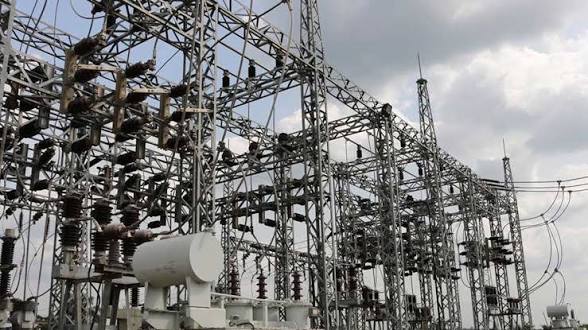
What should have been a time of joy and celebration for many Nigerians during the Eid-el-Fitr holiday turned into a period of frustration, as widespread power outages affected large parts of the country. According to reports from the Nigerian Independent System Operator on Monday, March 23, 2026, at least 10 out of the 11 Electricity Distribution Companies received zero megawatt allocation at different points over the weekend.
This sharp decline in electricity supply, described by many as a partial system failure, forced millions of households and small businesses to depend heavily on petrol and diesel generators during one of the most important festive periods of the year.
A Weekend Without Power
The disruption began late on Friday and continued through Sunday, with electricity supply data showing a sudden and steep drop across the grid. Major distribution companies such as Ikeja Electric, Eko DisCo, Abuja Electricity Distribution Company, Kano, and Enugu all experienced periods where they received no power at all from the national grid.
While a few areas in cities like Lagos and Abuja reported brief and inconsistent supply lasting only minutes, many regions, especially in the North and Southeast, remained in complete darkness for up to two days.
Read more on: Petrol Price Climbs to ₦1,332 as Dangote Refinery Responds to Global Pressures
As usual, disagreements followed. The Transmission Company of Nigeria pointed to system frequency issues and limited gas supply as the main causes, while distribution companies argued that the grid struggled to deliver even the limited power being generated, which is currently around 3,500 megawatts.
The Ongoing Gas Supply Challenge
At the center of the crisis is a long-standing issue in Nigeria’s power sector, the shortage of gas needed to run thermal power plants. Despite recent efforts by the government to address outstanding payments to gas suppliers, several plants reported low gas pressure throughout the weekend.
With global gas prices still unstable due to tensions in the Middle East, local suppliers are said to be prioritizing more profitable industrial and export markets rather than supplying the power sector, which continues to face financial challenges.
Impact on Daily Life
The timing of the outage made the situation even more difficult for many Nigerians. With petrol prices rising to around ₦1,400 per litre, running a generator for just a few hours each day has become too expensive for many families.
Small businesses were among the hardest hit. Vendors who rely on refrigeration, including those selling frozen foods and meat, reported significant losses as they struggled to keep their goods from spoiling during the holiday period.
Read more on: Fear Grips Ozoro: Female Students Flee DSUST Campus After Festival Assaults.
Public frustration quickly spread across social media, with many Nigerians expressing concern about the recurring failures of the national grid and calling for urgent reforms in the power sector.
Government Response

The Minister of Power, Adebayo Adelabu, addressed the situation on Sunday evening, stating that emergency maintenance work is ongoing on parts of the transmission network. He assured Nigerians that efforts are being made to restore electricity supply to about 80 percent capacity by Tuesday, as gas supply to power plants improves.
Looking Ahead
As the new week begins and businesses resume full operations, attention is now on whether the national grid can handle increased demand. Many experts believe that without long-term solutions to gas supply issues and upgrades to aging infrastructure, similar outages may continue to disrupt daily life, even during important national celebrations.
Read more on:
- TEF Unveils 12th Entrepreneurship Cohort as Tony O. Elumelu Marks 63rd Birthday
- Tragedy in Sangotedo: Two Killed as Gas Tanker Fire Destroys Warehouses in Lagos
- Justice for Ozoro: Arrests Follow Public Outrage Over Festival Assaults
- Beyond the Tunnel: Bola Ahmed Tinubu Says Nigeria Has Turned a Corner Economically