There’s a wave of encouraging news for Nigeria’s economy today, March 25, 2026. The Naira is showing signs of stability against the Dollar, while the Lagos State Government is making steady progress on a major project aimed at reducing food prices and preventing shortages.
Naira Shows Signs of Recovery
After facing pressure in recent weeks, the Naira is beginning to regain some ground across both official and parallel markets.
- At the Nigerian Foreign Exchange Market, the currency opened at about ₦1,375 per Dollar. This improvement is linked to better liquidity and efforts by the Central Bank of Nigeria to strengthen reserves, including gold holdings that have now reached around $3.5 billion this quarter.
- In the parallel market, rates are relatively stable, ranging between ₦1,420 and ₦1,435.
- Analysts say the gap between both markets is gradually narrowing, which suggests that recent monetary policies are beginning to reduce speculative pressure.
Read more on: Lagos Food Security Push: Epe Mega Hub Set for 2026 Completion
Lagos Food Hub Nears Completion
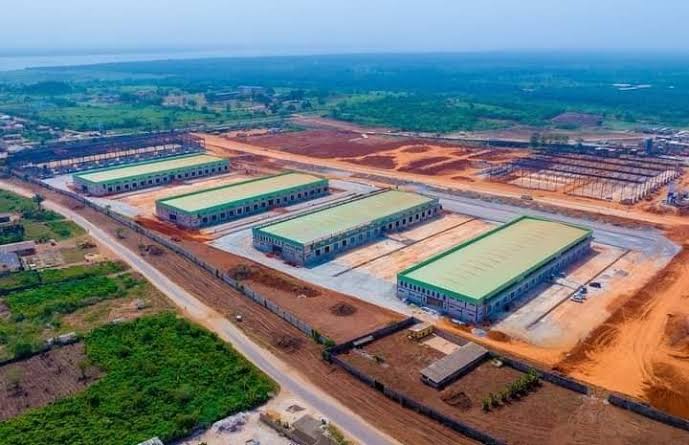
At the same time, Lagos is making major strides in strengthening its food supply system. The Lagos Central Food Security Systems and Logistics Hub in Epe is now approaching completion, with the first phase expected to be ready before the end of 2026.
This large-scale project spans about 1.2 million square meters and is designed to reshape how food is stored and distributed across the state.
Read more on: Nigeria Targets $500 Million Boost to Tackle Education Crisis
Why It Matters for Everyday Nigerians
The impact of this project could be felt directly in people’s daily lives.
- The hub will be able to store enough food to last Lagos residents for three to six months, creating a reliable reserve during periods of scarcity.
- By reducing the role of middlemen and cutting down post-harvest losses, which can be as high as 50 percent for some crops, the project is expected to help bring down food prices.
- With space for over 1,500 trucks and access to water transport, the hub will make it easier and faster to move food from farms into key markets across the state.
Together, a more stable currency and a stronger food supply system point toward a more balanced and predictable economy. For the average Nigerian, it signals a future where both the cost of living and access to essential goods could become more manageable.
Read more on: