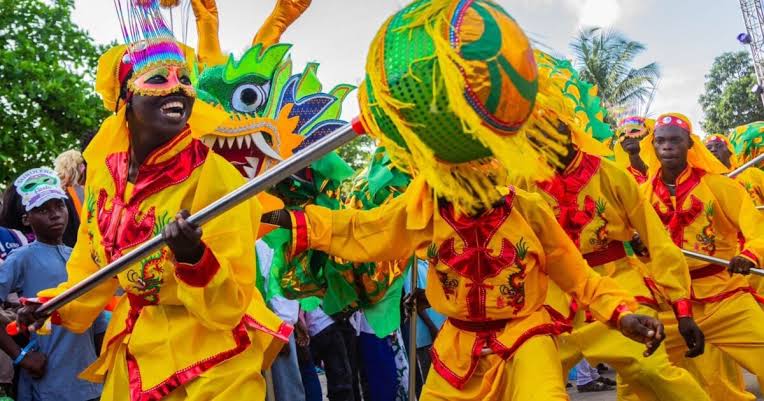
Lagos Island came alive in spectacular fashion as the 2026 edition of the historic Fanti Carnival unfolded, filling the streets with music, color, and a deep sense of cultural pride. This year’s celebration, built around the theme “A Homecoming of Heritage,” drew thousands of residents and visitors who gathered to witness one of the most vibrant cultural events in Nigeria. More than just a festival, the carnival served as a powerful reminder of Lagos’ rich and layered history, particularly the legacy of the Afro Brazilian returnees known as the Aguda.
From the early hours of Easter Monday, anticipation could be felt across the island. Streets that usually bustled with routine activity were transformed into lively avenues of celebration. The air carried the sounds of drums, horns, and singing, blending traditional Yoruba rhythms with unmistakable Brazilian influences. It was a fusion that perfectly captured the spirit of the Fanti Carnival, an event rooted in history but constantly evolving with time.
At the heart of the festivities was Tafawa Balewa Square, which served as the central hub for performances and gatherings. However, the celebration extended far beyond a single location. Major roads across Lagos Island became stages for a grand procession that showcased the diversity and creativity of different communities.
The Parade That Captured a City
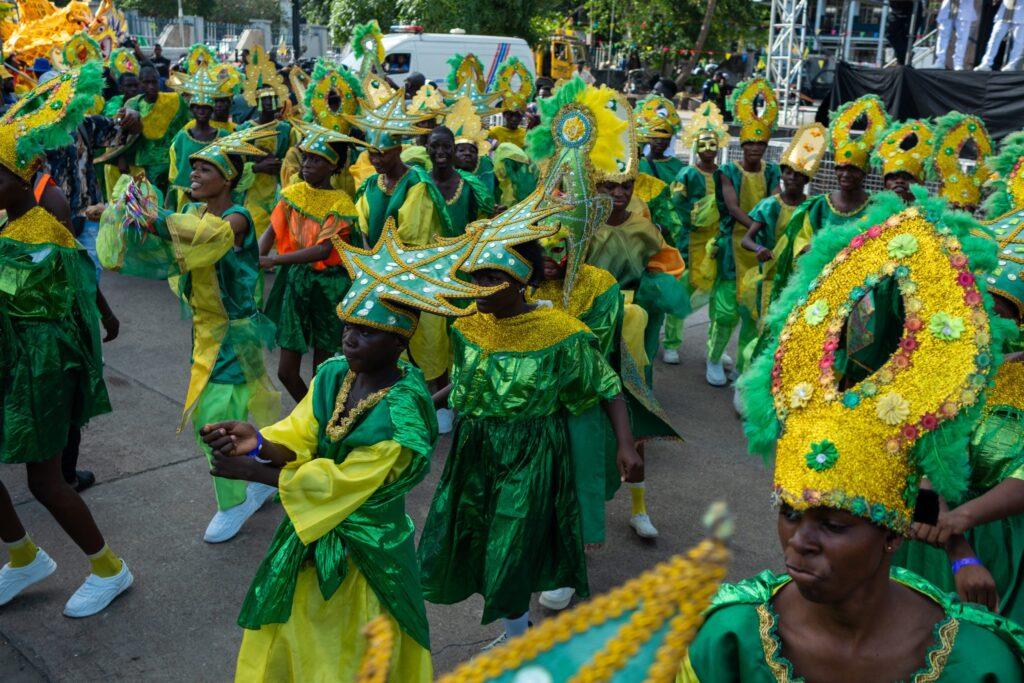
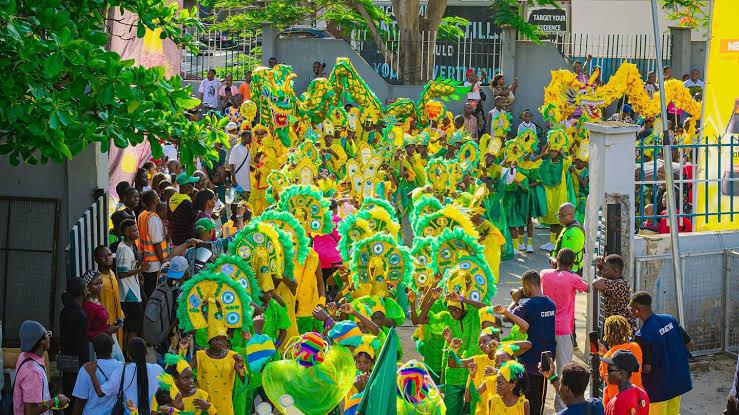
One of the highlights of the carnival was the grand procession, which brought together various carnival associations from historic neighborhoods across Lagos Island. Each group arrived with its own unique style, contributing to a vibrant tapestry of performances that kept spectators engaged throughout the day.
Residents and tourists lined the streets in large numbers, eager to catch a glimpse of the colorful displays. Children perched on their parents’ shoulders, while others climbed balconies and roadside structures for a better view. The atmosphere was electric, filled with cheers, laughter, and the constant rhythm of music.
Groups from Lafiaji and Campos were among the first to make a strong impression. Known for their deep Afro Brazilian roots, they appeared in elaborate costumes adorned with feathers, sequins, and intricate designs. Their outfits reflected the influence of Brazilian carnival traditions, particularly those seen in cities like Rio de Janeiro. The dancers moved with precision and energy, their performances combining samba inspired steps with local expressions.
Read more on: Eedris Fires at Tinubu, Seyi Over Plateau Crisis
From Isale Eko and Olowogbowo came another wave of creativity. These groups blended traditional Yoruba elements with carnival aesthetics, creating a unique visual and cultural experience. Their costumes featured indigenous fabrics, beads, and symbolic patterns, while their dances told stories rooted in local heritage. The fusion of styles demonstrated how Lagos has successfully integrated different cultural influences over generations.
Meanwhile, contingents from Okepopo and Epetedo brought a different kind of energy to the parade. Their performances were marked by the presence of Caretta masquerades, which added a dramatic and theatrical dimension to the celebration. The masquerades, accompanied by energetic drumming and chanting, captivated the crowd and created moments of intense excitement.
As the procession moved along King George V Road and Force Road, it gradually made its way toward Tafawa Balewa Square. There, the various groups came together for a grand display that featured synchronized choreography and large scale performances. The scene inside the arena was breathtaking, with waves of color and movement creating a spectacle that left a lasting impression on everyone present.
Beyond Celebration
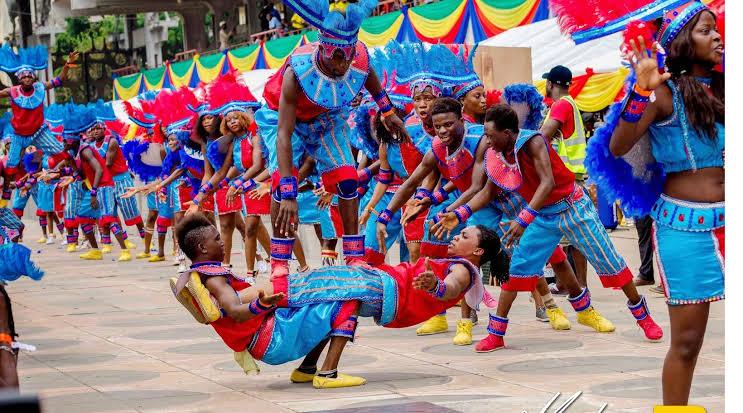
While the parade drew the most attention, the Fanti Carnival of 2026 was designed to be more than just a visual spectacle. Organizers expanded the event to include a range of activities aimed at educating, connecting, and inspiring participants.
One of the key additions was a heritage exhibition that offered a deeper look into the history behind the carnival. The exhibition featured a carefully curated collection of archival photographs, historical documents, and artifacts from the nineteenth century. Visitors were able to explore the story of the Afro Brazilian returnees who settled in Lagos after gaining freedom from slavery in the Americas.
Read more on: Blessing CEO Retracts Stage 4 Cancer Claim
These returnees brought with them not only cultural traditions but also skills and ideas that played a significant role in shaping the city. Their influence can still be seen today in the architecture of the Brazilian Quarter, also known as Popo Aguda, as well as in local cuisine and social practices. The exhibition highlighted these contributions, emphasizing the resilience and creativity of a people who rebuilt their lives and left a lasting legacy.
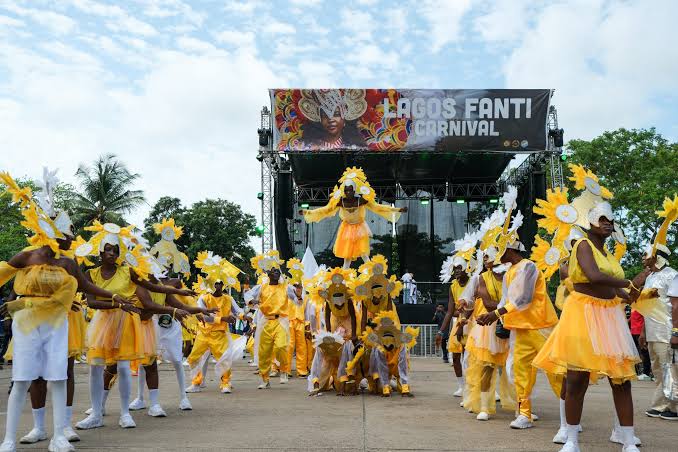
Another important feature of the carnival was the Afro Brazilian Economic Summit. This gathering brought together creatives, entrepreneurs, and cultural stakeholders to discuss opportunities for collaboration between West Africa and South America. Topics ranged from fashion and film to tourism and cultural preservation.
The summit underscored the idea that heritage is not just about the past but also about the future. By fostering connections across continents, the event aimed to create pathways for economic growth and cultural exchange. Participants explored ways to leverage shared history in building industries that celebrate identity while generating income.
As the day progressed and the sun began to set, attention shifted to the main stage for the closing concert. This segment of the carnival featured live performances that blended different musical genres. Afrobeat, highlife, and samba came together in a dynamic showcase that reflected the spirit of unity at the heart of the event.
Artists delivered energetic performances that kept the audience engaged well into the evening. The music, much like the carnival itself, told a story of connection, adaptation, and celebration.
Read more on: VDM and Blord’s Legal War
Planning and Coordination
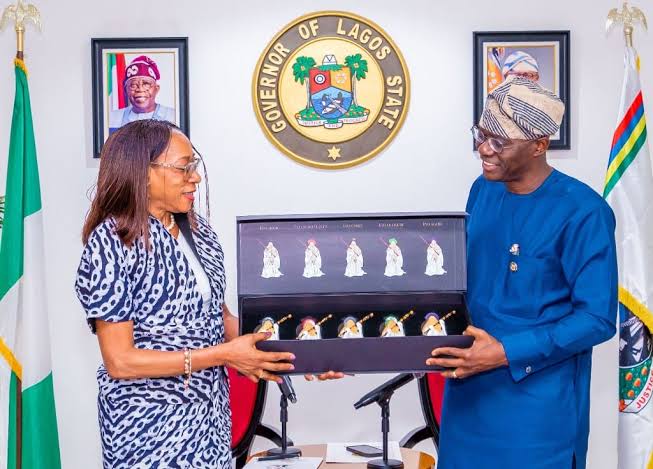
The success of the Fanti Carnival was made possible through careful planning and coordination by various stakeholders. The Lagos State Government, through the Ministry of Tourism, Arts and Culture, played a significant role in supporting the event.
Given the scale of the celebration and the large number of attendees, managing traffic and ensuring safety were top priorities. The Commissioner for Transportation, Oluwaseun Osiyemi, oversaw the implementation of a comprehensive traffic management plan.
Several roads, including Military Road, Ajasa Street, and Hawley Street, were temporarily closed to allow for the smooth flow of the procession. The Lagos State Traffic Management Authority worked throughout the day to guide motorists and minimize disruptions. Designated parking areas were provided to accommodate visitors, helping to reduce congestion in key areas.
Security personnel were also deployed across the island to ensure that the event remained peaceful and well organized. Their presence contributed to a sense of safety, allowing participants to fully enjoy the festivities.
Organizers described the carnival as a living archive, emphasizing its role in preserving and promoting cultural heritage. By expanding the event into a city wide experience, they aimed to position Lagos as a leading destination for heritage tourism on the global stage.
Honoring the Aguda Legacy
At its core, the Fanti Carnival is a tribute to the Aguda community, whose history is deeply intertwined with that of Lagos. These Afro Brazilian returnees arrived in the nineteenth century, bringing with them a blend of African and Brazilian traditions that would shape the cultural identity of the city.
Their contributions extended beyond music and dance. They introduced architectural styles that are still visible in parts of Lagos today. They also influenced local cuisine, with dishes like Frejon becoming part of the cultural fabric, especially during the Easter season.
The carnival serves as a reminder of this shared history and the enduring connections between continents. It celebrates the journey of a people who, despite the challenges they faced, managed to create something vibrant and lasting.
For many participants, the event is not just about entertainment but also about reconnecting with their roots. It provides an opportunity to reflect on identity, heritage, and the importance of preserving cultural traditions for future generations.
Read more on: Omah Lay Releases ‘Clarity of Mind’ and Stakes His Place at the Top
A Lasting Impression
As the festivities drew to a close, the energy of the day lingered in the air. The sounds of drums and music gradually faded, but the memories created during the carnival remained vivid.
For the residents of Lagos Island, the 2026 Fanti Carnival will be remembered as a moment of unity and celebration. For visitors, it offered a glimpse into the rich cultural tapestry that defines the city.
More importantly, the event reinforced a powerful message. Heritage is not something that belongs solely to the past. It is something that lives on through people, traditions, and shared experiences. It is carried forward, adapted, and celebrated in ways that keep it relevant and meaningful.
In bringing together history, culture, and community, the Fanti Carnival once again proved its significance as more than just a festival. It is a living expression of identity and a testament to the enduring spirit of Lagos.
Read more on:
- Simi and Adekunle Gold Welcome Their Second Child
- Funke Akindele Keeps Quiet on Premiere Drama While Setting Her Sights on a Political Return
- Funke Akindele Keeps Quiet on Premiere Drama While Setting Her Sights on a Political Return
- From Cancer Claim to Controversy: Blessing CEO Faces Forgery Allegations
- Iyabo Ojo Breaks Silence on Toyin Abraham–Funke Akindele