In a development that has brought relief to millions of Nigerian students and their families, the Federal Government has announced that strikes in the country’s tertiary institutions are now a thing of the past.
Speaking on March 31, 2026, at the UNDP Innovation Hub in Lagos, the Minister of Education, Dr. Tunji Alausa, stated that the long-standing issue of industrial actions has been permanently resolved through a new agreement with university unions.
“Strike Era Is Over”
According to the Minister, the breakthrough follows the successful implementation of the FG/ASUU 2025 Agreement, which had been under negotiation for nearly two decades. He described the outcome as a decisive end to the instability that has plagued Nigeria’s higher education system.
Some of the major outcomes of the agreement include:
- 40% Salary Increase: Academic staff in federal universities are already receiving a 40% salary increase, effective January 2026.
- Academic Tools Allowance: A new Consolidated Academic Tools Allowance (CATA) has been introduced to support research, publications, and conference participation, helping to reduce the migration of lecturers abroad.
- Infrastructure Investment: The government has also pledged substantial funding to upgrade facilities in public universities and improve overall learning conditions.
“Our words are our bond. Students will stay in school. Strikes are gone for good, and our institutions will remain open throughout academic sessions,” the Minister said.
Read more on:Nigeria’s Security Spending Under Spotlight After N2.3tn Disclosure
Progress with NASU and SSANU
Dr. Alausa also addressed ongoing discussions with non-academic unions, including NASU and SSANU. He noted that negotiations are almost complete, with a formal agreement expected in the coming weeks. He appealed for patience, assuring that the government is committed to addressing their key concerns.
Clarifying Strike Rumors
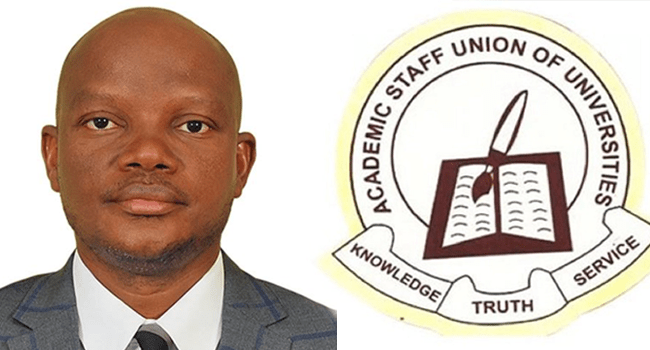
Reacting to reports of a new ultimatum allegedly issued by ASUU, the Minister dismissed the claims as inaccurate. He explained that direct communication with union leaders has helped prevent misunderstandings that previously led to strikes.
Looking Ahead
The government sees this development as a major step toward stabilizing the education sector, especially as it looks toward the future. By ending frequent disruptions, it aims to rebuild confidence in public universities and ensure a more predictable academic calendar.
Read more on : Abia Governor Otti Responds to 2027 Speculation, Focuses on Governance
What It Means
- For Students: A more stable academic calendar with no unexpected interruptions.
- For Parents: Fewer worries about sudden school closures.
- For Lecturers: Better pay and improved support for research and professional growth.
With most institutions already implementing the new salary structure, the government’s commitment appears stronger than in previous efforts to resolve these longstanding issues.
Read more on: