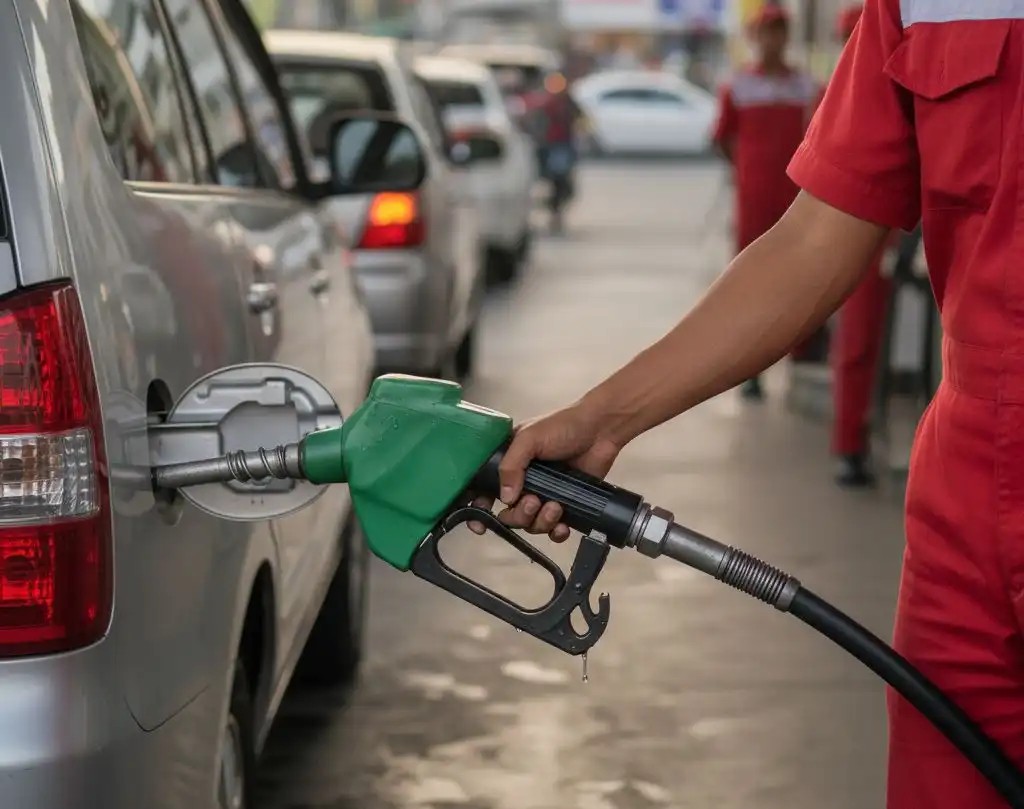
Many Nigerians woke up this week to yet another increase in fuel prices, as pump rates jumped by about 14% within just seven days. In major cities such as Lagos and Abuja, petrol is now selling between ₦1,200 and ₦1,350 per litre, placing additional strain on households and businesses already dealing with rising living costs.
While local factors sometimes influence fuel pricing, this latest surge is largely driven by developments in the global energy market, particularly growing tensions in the Middle East.
The Global Trigger: Rising Tensions and Oil Prices
At the heart of the price increase is the sharp rise in Brent crude oil, which has crossed the 100 dollar per barrel mark. This spike is linked to geopolitical tensions in key oil producing regions, raising concerns about potential disruptions to global supply.
One major concern is the security of the Strait of Hormuz, a vital route through which a significant portion of the world’s oil supply is transported. Any threat to this corridor creates uncertainty in the market, and that uncertainty often drives prices higher.
As tensions continue, global markets are factoring in the risk of further escalation, leading to what experts describe as a “fear premium” on crude oil. This has pushed prices to levels not seen in several years.
Read more on: End of the Road for Fake Agents as ICPC and IMBLN Launch Joint Task Force
The Impact at Home
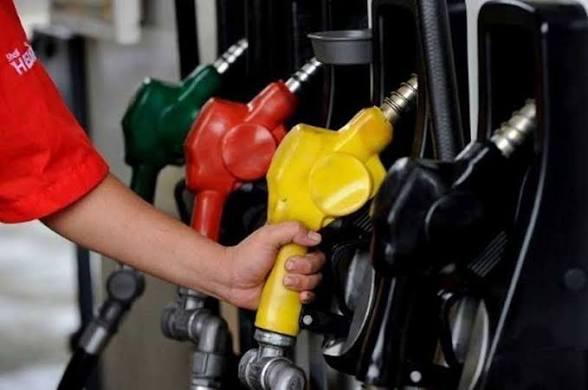
Despite ongoing efforts to boost local refining capacity, including operations at the Dangote Refinery, Nigeria remains closely tied to global oil pricing trends. This means that increases in crude oil prices quickly translate to higher costs domestically.
Earlier this month, the Dangote Refinery adjusted its ex depot price from around ₦774 to ₦874 per litre, reflecting the higher cost of crude oil. Following this adjustment, fuel marketers across the country have raised their pump prices to keep up with increasing supply and logistics costs.
In some parts of the country, prices have climbed even higher, reaching close to ₦1,400 per litre. The effect has been immediate, with transport fares on many inter city routes rising by as much as 25 to 30 percent. For many Nigerians, this means spending more just to move around or transport goods.
What It Means for the Economy
Economists warn that while higher oil prices may boost government revenue, the impact on everyday life could be more challenging. Increased fuel costs often lead to higher prices for goods and services, as transportation and production become more expensive.
Nigeria had recently experienced a slight drop in inflation, but this new surge in fuel prices could reverse that progress. The cost of food distribution, manufacturing, and general business operations is likely to increase, putting more pressure on consumers.
Read more on: A Historic Return: President Tinubu Arrives in Lagos After Landmark UK Visit
How Consumers Can Cope
With fuel prices rising, many Nigerians are already adjusting their daily routines. Planning trips more carefully, especially during the Sallah holiday period, can help reduce costs. Carpooling and early travel bookings may also offer some relief.
It is also important to stay informed through updates from regulatory bodies such as the Nigerian Midstream and Downstream Petroleum Regulatory Authority to avoid being overcharged at filling stations.
The Bigger Picture
This latest increase highlights how deeply connected Nigeria’s economy is to global energy trends. While local production is improving, international events still play a major role in determining what Nigerians pay at the pump.
For now, all eyes remain on global developments, as any further escalation could push prices even higher in the coming weeks.
Read more on:
- Iran Urged by Saudi Arabia, Egypt, Qatar, and Arab Nations to Halt Attacks in the Region
- FG Makes UK University Education More Accessible to Nigerians, Ending the Need to “Japa” for Degrees
- Recording Police on Duty Is a Constitutional Right, Federal High Court Rules
- Nigeria Left Out as Pope Leo XIV Unveils Africa Visit Plans