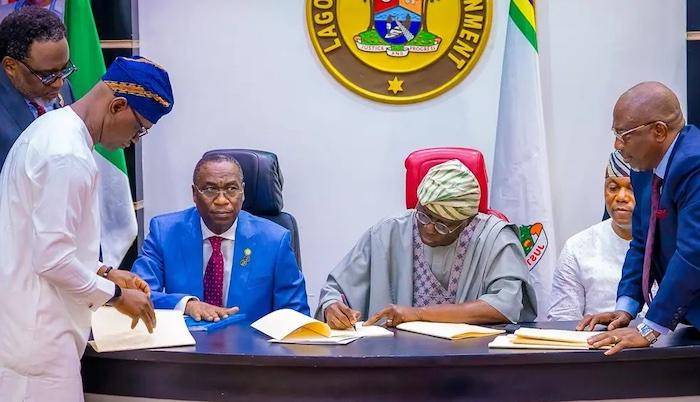
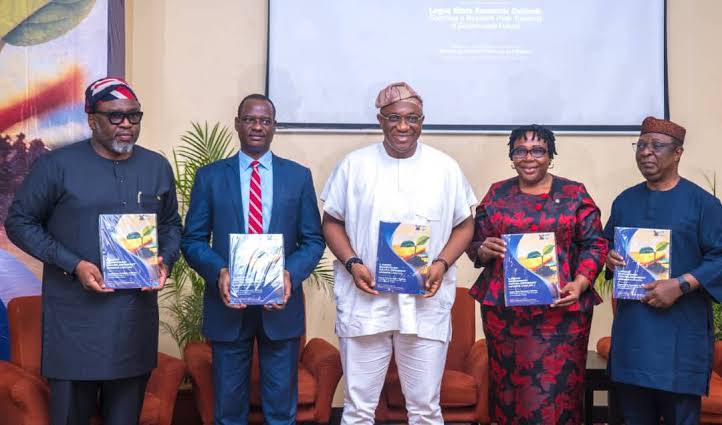
Lagos State is gearing up for a major economic shift as Governor Babajide Sanwo-Olu unveiled the 2026 Lagos Economic Development Update (LEDU) alongside the final framework for the state’s “Budget of Shared Prosperity.”
At a high-level session held in Ikeja, the Governor represented by his deputy, Dr. Obafemi Hamzat delivered a strong message to both residents and investors: Lagos is not just surviving tough economic conditions, it is positioning itself to compete globally. With a projected Gross Domestic Product (GDP) of ₦73.15 trillion by the end of 2026, the state is aiming to solidify its place as one of Africa’s leading economic hubs.
A Vision Focused on Growth and Stability
The 2026 development blueprint carries the theme, “Consolidating Resilience, Advancing Competitiveness, Delivering Shared Prosperity.” More than a routine policy document, it is intended to serve as a practical guide for navigating current global economic challenges such as inflation and currency fluctuations.
According to the state government, the goal is to build on Lagos’ existing economic strength while creating a more competitive and inclusive system that benefits a wider segment of the population.
Read more on: https: El-Rufai in Fresh Legal Developments as Courts Adjourn Bail, Allow Suit Withdrawal
Key Economic Targets
The projections outlined in the plan are ambitious. Lagos is targeting a GDP of ₦73.15 trillion in 2026, keeping it on course toward its long-term goal of becoming a $1 trillion economy by 2052.
The state also recorded over ₦1 trillion in new investments in 2025, and officials say the new plan is designed to sustain and even increase that momentum. On the revenue side, Lagos expects to generate about ₦3.12 trillion internally, which will play a critical role in funding its projects without over-reliance on federal allocations.
Inside the ₦4.44 Trillion Budget
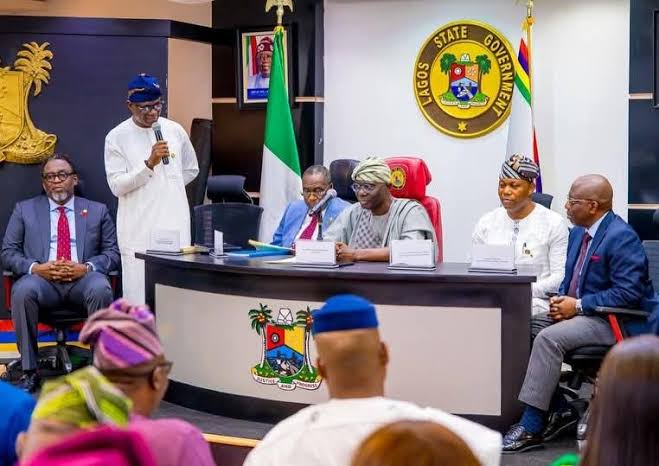
The approved 2026 budget, tagged the “Budget of Shared Prosperity,” stands at ₦4.444 trillion higher than the initial proposal of ₦4.23 trillion. It reflects a deliberate effort to invest more in long-term development rather than short-term spending.
About 52 percent of the budget, amounting to ₦2.185 trillion, has been allocated to capital projects. These include infrastructure, transportation, and other developments aimed at shaping the future of Lagos. The remaining 48 percent, or ₦2.052 trillion, will cover recurrent expenses such as salaries, public service operations, and maintenance.
Read more on: By-Elections Loom as Senate Declares Three Vacancies
Priority Sectors
Several sectors have been identified as key drivers of growth and development.
The health sector will receive ₦339 billion, with a focus on improving primary healthcare services and upgrading specialized medical facilities. Education is allocated ₦249 billion to support digital learning, improve school infrastructure, and enhance teacher training.
Environmental management is another major focus, with ₦236 billion set aside for drainage expansion and flood control an important measure given Lagos’ vulnerability during the rainy season. Security will receive ₦147 billion to strengthen surveillance systems and support ongoing efforts through the Lagos State Security Trust Fund.
A Shift Toward Integration and Smart Solutions
One of the most notable aspects of the 2026 plan is a shift in strategy from simply building infrastructure to ensuring it works together efficiently. The government is now prioritizing integration and smart technology.
This includes connecting the Red Line and Blue Line rail systems with buses and ferry services to create a seamless, multi-modal transportation network. There are also plans to expand the state’s fiber-optic infrastructure, supporting its ambition to grow tech hubs like Yaba into a “Silicon Valley of Africa.”
Social inclusion remains a key part of the agenda. The government has pledged to expand opportunities for women and small businesses, particularly through initiatives like the Lagos State Employment Trust Fund (LSETF).
Read more on: FG Declares End to University Strikes in Nigeria After Landmark ASUU Deal
Government’s Position
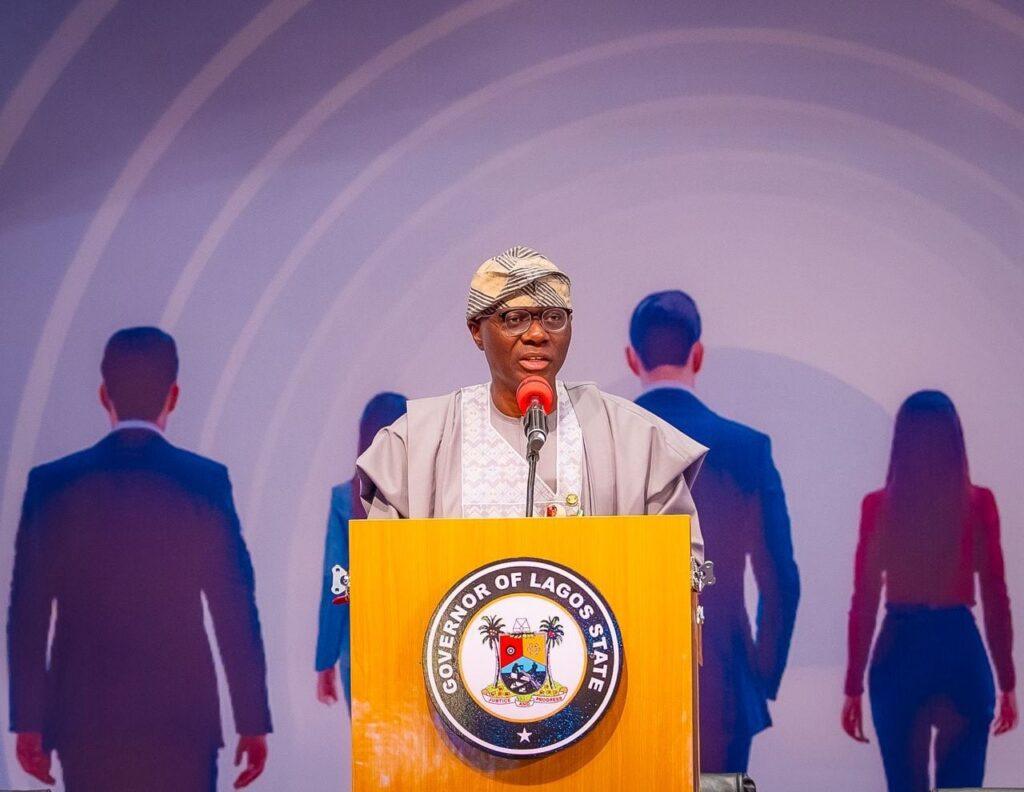
Governor Sanwo-Olu emphasized that Lagos has already demonstrated resilience in the face of economic challenges, but the next step is to translate that resilience into real, measurable progress. According to him, success should not be judged by economic figures alone, but by how much those figures improve everyday life for residents.
What It Means for Lagosians
For residents, the plan promises practical improvements better roads and transport systems, more job opportunities, and improved access to healthcare. For businesses and investors, it signals a stable and forward-looking environment driven by structured planning and clear economic goals.
As Lagos begins to implement its ₦4.44 trillion budget, attention will be on how effectively these plans are executed. The coming months will reveal whether the state can turn its vision of shared prosperity into tangible results for millions of people living and working in Nigeria’s commercial capital.
Read more on: