As Nigeria gradually approaches the 2027 general elections, the country’s political environment is becoming increasingly tense and charged. What was once a slow build-up of political activity has now transformed into a heated atmosphere filled with suspicion, strategic maneuvering, and growing public debate. At the center of this unfolding situation is the Independent National Electoral Commission, widely known as INEC, following its announcement of a sweeping nationwide Voter Revalidation Exercise.
INEC has presented this initiative as a necessary and timely effort to clean up and strengthen the country’s voter register. However, the reaction from political parties, civil society organizations, and many observers has been far from supportive. Instead, the move has triggered widespread concern, with critics warning that it could disenfranchise millions of eligible voters if not carefully implemented.
The central issue revolves around a critical question. Is this revalidation exercise truly about improving the integrity of the voter register, or could it lead to the exclusion of legitimate voters from the democratic process?
INEC Chairman, Professor Joash O. Amupitan, a Senior Advocate of Nigeria, has publicly defended the commission’s decision. According to him, the current voter register, despite undergoing periodic updates since 2011, still contains numerous irregularities that could undermine the credibility of future elections. He emphasized that maintaining a clean and reliable register is essential for conducting transparent and trustworthy polls in 2027.
Read more on: 11 Killed, Dozens of Homes Destroyed in Deadly Reprisal Attack
The commission has outlined several reasons for embarking on this exercise. One of the major concerns is the presence of names belonging to deceased individuals. Over time, many Nigerians who were once registered voters have passed away, yet their names remain on the system. INEC believes that removing these entries is necessary to prevent potential misuse during elections.
Another issue is the existence of duplicate registrations. Some individuals have reportedly registered more than once, either deliberately or due to system lapses. This creates room for electoral manipulation, something the commission says it is determined to eliminate.
There is also the problem of underage voting. In previous election cycles, allegations surfaced that minors were illegally added to the voter register in certain areas. INEC insists that the revalidation exercise will help identify and remove such entries, thereby restoring confidence in the system.
In addition to these concerns, the commission highlighted the need to align all voter data with the latest upgrades in the Bimodal Voter Accreditation System, commonly known as BVAS. As technology continues to evolve, ensuring that all biometric information is compatible with modern systems is seen as a key step toward improving election transparency and efficiency.
Read more on: Iran Declines U.S. 48-Hour Ceasefire Proposal Amid Rising Tensions
Despite these justifications, the response from political stakeholders has been largely critical. The Inter Party Advisory Council, which represents various political parties across the country, has openly expressed its reservations. Its chairman, Dr. Yusuf Mamman Dantalle, warned that conducting a mandatory revalidation exercise so close to a major election cycle could create serious logistical challenges.
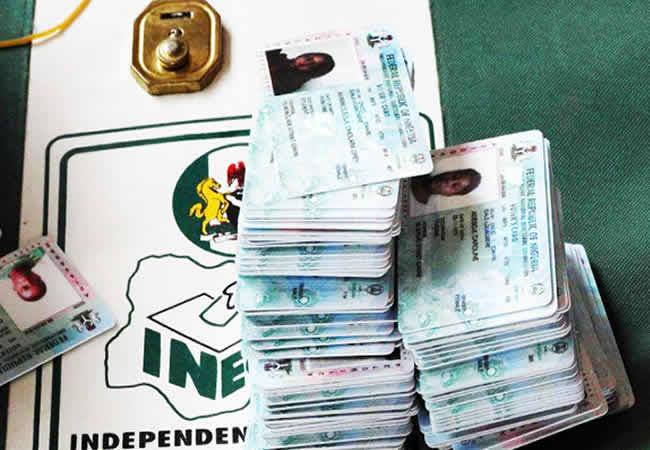
One of the most frequently cited concerns is the issue of uncollected Permanent Voter Cards. Reports indicate that more than six million PVCs from the 2023 elections remain unclaimed. Critics argue that instead of introducing a fresh and potentially disruptive revalidation process, INEC should prioritize ensuring that these cards reach their rightful owners. They believe that failing to address this backlog while launching a new exercise raises questions about the commission’s priorities.
There are also fears linked to recent developments surrounding the amended Electoral Act of 2026. Some political actors have expressed concern that the revalidation exercise could serve as a distraction from more controversial changes, particularly those related to the transmission of election results. The possibility of manual result transmission in certain situations has reignited long standing anxieties about electoral manipulation. For these critics, the timing of the revalidation exercise appears suspicious.
Another major issue raised by opposition leaders is what they describe as the rural gap. Many Nigerians living in rural communities face significant challenges when it comes to accessing government services. Poor infrastructure, insecurity, and limited awareness campaigns could make it difficult for these voters to participate in the revalidation process. As a result, there are fears that a large number of legitimate voters, especially those in remote or conflict affected areas, could be unintentionally excluded from the electoral process.
Read more on: APC Pressures INEC to Deregister ADC
While the debate continues to intensify, INEC has already released a detailed timetable outlining key milestones leading up to the 2027 elections. According to this schedule, the second phase of the Continuous Voter Registration exercise is expected to conclude in April 2026. This is followed by the Ekiti State governorship election scheduled for June 20, 2026, and the Osun State governorship election set for August 15, 2026.
The timeline then moves toward the national stage, with the presidential and National Assembly elections slated for January 16, 2027. Shortly after, the governorship and State Assembly elections are expected to take place on February 6, 2027. This tight schedule has added to the concerns of stakeholders who fear that there may not be enough time to effectively carry out a nationwide revalidation exercise without significant disruptions.
Civil society organizations have also weighed in on the matter, urging caution and a more measured approach. While many of these groups agree that cleaning up the voter register is necessary, they stress that the process must not come at the expense of inclusivity. According to several electoral observers, the April 2026 deadline for concluding the current voter registration phase may be too ambitious if combined with a large scale revalidation effort.
One prominent voice within the civil society space warned that the credibility of the 2027 elections could be at risk if the revalidation exercise is not handled carefully. The observer pointed out that a credible voter register is the foundation of any democratic system. However, if the process ends up excluding eligible voters rather than including them, it could lead to a crisis of legitimacy even before the first ballot is cast.
Read more on: APC Pressures INEC to Deregister ADC
In the midst of these competing arguments, INEC finds itself in a difficult position. On one hand, maintaining the current register without addressing its flaws could leave the system vulnerable to fraud and manipulation. On the other hand, implementing a large scale revalidation exercise within a limited timeframe carries the risk of logistical failures and public backlash.
As discussions continue within the National Assembly regarding further amendments to the Electoral Act, it is clear that the controversy surrounding the voter revalidation exercise is far from over. The coming months are likely to witness intensified debates, political negotiations, and increased public scrutiny.
For the average Nigerian voter, the situation serves as a reminder of the importance of staying informed and proactive. Safeguarding one’s Permanent Voter Card, keeping up with official announcements, and participating in any required processes will be crucial steps in ensuring that their voice is heard in 2027.
Ultimately, the success or failure of this revalidation exercise will depend on how well it balances the need for accuracy with the imperative of inclusivity. The stakes are high, and the outcome will play a significant role in shaping the credibility of Nigeria’s next general elections.
Read more on: