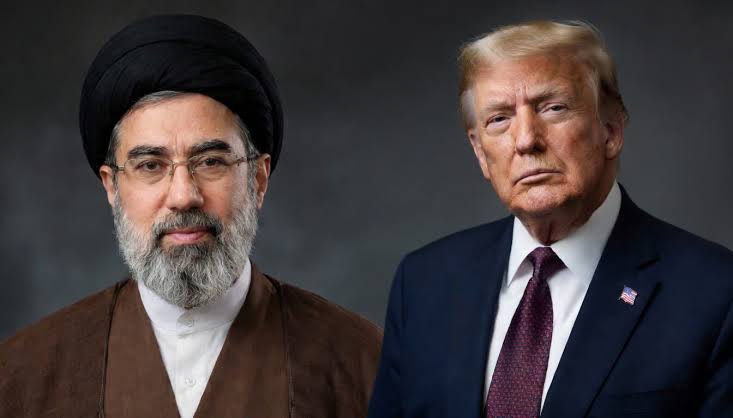
The sound of escalating conflict across West Asia has grown impossible to ignore this Saturday, April 4, 2026, as tensions between Iran and the United States intensify to a dangerous new level. In a development that has rattled global diplomatic efforts, Tehran has officially rejected a United States-backed proposal calling for a temporary 48-hour ceasefire an initiative that many had hoped could create a narrow opening for humanitarian relief and potential de-escalation.
Instead of calming the situation, the rejection has further underscored how deeply entrenched both sides have become, pushing the conflict into what analysts now describe as a volatile phase of direct confrontation. Behind the scenes, frantic diplomatic efforts appear to have failed, while on the ground, military engagements continue to grow in intensity.
A Ceasefire Proposal That Went Nowhere
The now-rejected proposal was reportedly introduced earlier in the week, on Wednesday, through a neutral intermediary believed to be either Oman or Switzerland countries that have historically played quiet but important roles in backchannel negotiations involving Iran and Western powers.
The idea was relatively straightforward: a 48-hour pause in hostilities that would allow both sides to evacuate wounded personnel, assess damage, and possibly begin preliminary discussions toward a broader de-escalation framework. For Washington, it also carried an urgent operational purpose facilitating search-and-rescue missions for downed personnel in contested areas.
However, Tehran saw things very differently. According to Iran’s semi-official Fars News Agency, the leadership in Tehran dismissed the proposal outright, viewing it not as a humanitarian gesture but as a strategic maneuver designed to give U.S. forces breathing room.
Rather than issuing a formal diplomatic rejection through traditional channels, Iran’s response was delivered in a more symbolic and arguably more forceful manner: through continued military action.
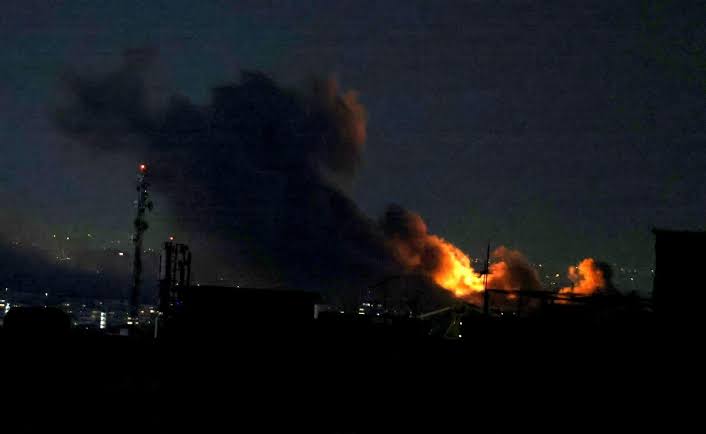
An unnamed source cited by Fars put it bluntly, stating that Iran does not accept pauses that would allow what it considers an aggressor to regroup and regain operational advantage. In their words, Iran’s reply was not written on paper but “in the smoke over the Persian Gulf,” a phrase that captures both the intensity of the conflict and Tehran’s intent to communicate through action rather than negotiation.
Read more on: APC Pressures INEC to Deregister ADC
Escalation in the Skies
Almost immediately following the rejection, the region witnessed some of the fiercest aerial confrontations since the conflict began in late February. Airspace over key مناطق in Iran and the Gulf has effectively turned into a high-risk combat zone, with both sides deploying advanced military assets.
One of the most significant developments has been Iran’s claim that it successfully downed high-value U.S. aircraft. Among these was an F-15E Strike Eagle, a sophisticated fighter jet known for its deep-strike capabilities. Reports from international media outlets indicate that at least one crew member was rescued by U.S. special forces and is currently receiving medical care. However, uncertainty still surrounds the fate of the second crew member, adding a layer of urgency and tension to ongoing operations.
In addition, Iranian state media has reported the downing of an A-10 Thunderbolt II commonly referred to as the “Warthog” near the Strait of Hormuz. This aircraft is specifically designed for close air support and is highly valued in combat operations involving ground targets. While independent verification remains limited, the claim alone has significant implications for the perception of air superiority in the region.
Retaliation and Expanding Targets
The United States, alongside Israeli forces, has responded swiftly and forcefully. New rounds of airstrikes were reported early Saturday, targeting strategic locations inside Iran.
One such target was the Bandar Khamir cement plant in southern Iran. While Iranian authorities have downplayed the impact, stating that operations were not disrupted and no casualties were recorded, the strike highlights a noticeable shift in targeting patterns.
Even more concerning is the growing rhetoric around potential strikes on civilian infrastructure. Following the earlier destruction of the B1 Bridge in Karaj, statements attributed to U.S. leadership suggest that power plants and other critical infrastructure could become future targets.
This has drawn sharp condemnation from Tehran. President Masoud Pezeshkian has described such intentions as a clear signal of willingness to commit what he termed “war crimes,” further widening the already deep divide between the two sides.
Read more on: Northern CAN Calls on Members to Be Security Conscious
A Mounting Human and Economic Toll
As the conflict drags on, the human cost continues to climb at an alarming rate. Since the launch of the current air campaign on February 28, a day that also saw the death of Iran’s then-Supreme Leader the situation has deteriorated rapidly.
Recent estimates indicate that more than 2,000 people have been killed in Iran alone, with over 26,000 others injured. These figures, while staggering, may still be incomplete given the difficulty of verifying data in active conflict zones.
Beyond the immediate human toll, the economic consequences are beginning to ripple across the globe. The Strait of Hormuz, one of the world’s most critical oil transit routes, has become a focal point of concern. Iran has imposed strict controls, allowing only essential goods to pass and requiring vessels to coordinate directly with its authorities.
This has sent shockwaves through global energy markets, driving uncertainty and prompting countries to reassess supply chains. European leaders, including Italy’s Prime Minister Giorgia Meloni, are reportedly scrambling to secure alternative energy sources as fears of prolonged disruption grow.
The regional impact has also been severe. In Kuwait, infrastructure including a desalination plant and an oil refinery has reportedly been hit, raising concerns about water and energy security. Meanwhile, Iraq has taken the precautionary step of closing the Shalamcheh border crossing after nearby airstrikes heightened security risks.
Why Diplomacy Is Failing
At the heart of the crisis lies a profound breakdown in diplomacy. The positions of both sides appear not only opposed but fundamentally incompatible.
The United States continues to pursue a policy of maximum pressure, with leadership signaling that recent losses—including the downing of aircraft—will not deter its objectives. From Washington’s perspective, maintaining strategic pressure is essential to achieving long-term goals in the region.
Iran, on the other hand, has set firm preconditions for any negotiations. These include the complete withdrawal of U.S. and Israeli forces from contested areas and a full halt to ongoing strikes. Without these assurances, Tehran has made it clear that it sees no basis for dialogue.
This mutual distrust has effectively stalled diplomatic progress. What one side frames as a humanitarian pause is viewed by the other as a tactical ploy, leaving little room for compromise.
Read more on: Minister of State for Labour Onyejeocha Nkeiruka Exits Tinubu Cabinet
What Lies Ahead
With the proposed 48-hour ceasefire firmly rejected, the immediate outlook is one of deep uncertainty. The coming days are expected to be critical, as both sides continue to test each other’s resolve while the risk of further escalation looms large.
There are also growing signs that the conflict’s impact is spreading beyond traditional battle zones. Reports of drone-related damage in Dubai, including an incident involving debris striking a commercial building, suggest that even areas previously considered relatively safe are no longer immune.
Iranian officials have indicated that they are prepared for a prolonged confrontation, potentially lasting several months. If that proves true, the implications for regional stability and for the global economy could be profound.
For now, the world watches anxiously, hoping that some form of diplomatic breakthrough might still emerge. But with both sides digging in and trust in short supply, such an outcome appears increasingly distant.
Read more on: