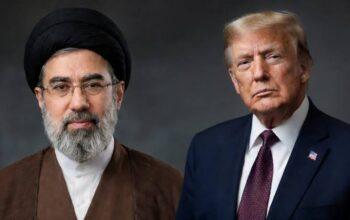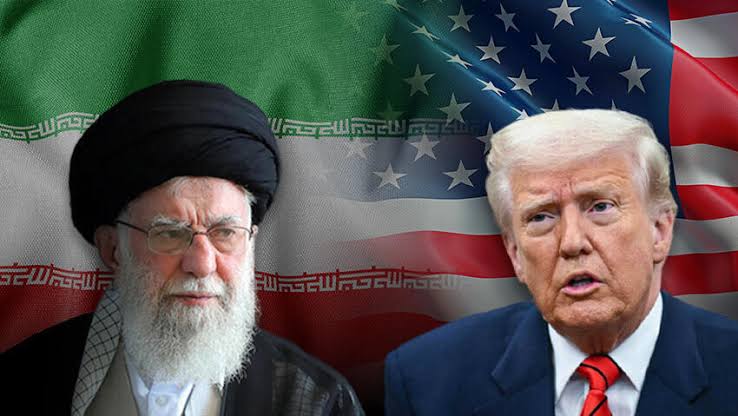
The world is facing a deeply unsettling moment as rising tensions between Iran, the United States, and Israel take a new and alarming turn. In a development that has drawn global attention, Iran’s Islamic Revolutionary Guard Corps has issued a direct threat against major American technology companies, accusing them of playing a role in the targeting and killing of senior Iranian figures.
This warning signals a significant shift in the ongoing conflict, which has increasingly blurred the lines between traditional warfare and advanced technology. What began as a military confrontation is now evolving into a broader struggle involving data, artificial intelligence, and global corporate infrastructure.
A Chilling Warning to Tech Workers
On the evening of March 31, the IRGC released a strongly worded statement claiming that leading U.S. technology firms have been involved in identifying and tracking individuals targeted in recent operations against Iran.
According to the statement, these companies have allegedly supported intelligence activities through advanced data processing, satellite tracking, and artificial intelligence systems. The group set a deadline of 8:00 PM Tehran time on April 1 for what it described as the beginning of retaliatory action.
The warning extended beyond corporations to individuals. Employees of these companies were advised to leave their workplaces immediately, while residents living close to facilities linked to American firm in the Middle East were urged to evacuate the area.
Read more on: Governor Sanwo-Olu Launches 2026 Budget of Shared Prosperity, Focuses on Growth and Infrastructure
Major Global Companies Named
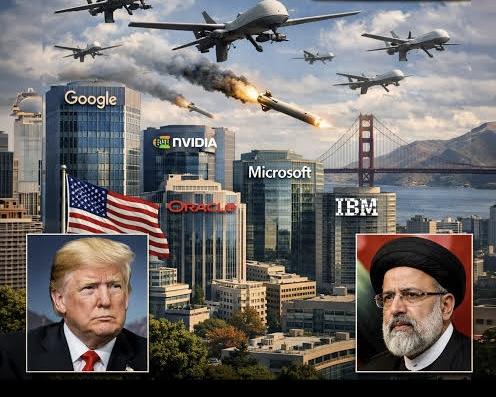
This has raised fears that commercial infrastructure, including offices and data centers, could become targets in the conflict.
The statement identified 18 U.S.-based companies, describing them as tools of American intelligence operations. The list includes some of the most influential firms in the global economy.
Among them are Apple, Google, and Meta, which dominate the consumer technology space. Companies such as Microsoft, Nvidia, and Palantir were also mentioned, highlighting concerns about artificial intelligence and data analytics.
Other firms named include Intel, Oracle, IBM, and Cisco, which are central to global computing infrastructure. Amazon, Boeing, and Tesla were also listed, along with financial giant J.P. Morgan.
Iran claims these companies have ignored repeated warnings to stop activities that it believes assist in surveillance and targeting operations.
A Conflict That Keeps Escalating
This latest development comes after a series of devastating events over the past month. The conflict began on February 28, 2026, and has already resulted in significant losses for Iran’s leadership.
On the first day of fighting, a major strike reportedly killed Iran’s Supreme Leader and several top military officials. In the weeks that followed, more senior figures were targeted in precision attacks, further weakening the country’s command structure.
The United States has acknowledged carrying out extensive operations, with officials claiming that thousands of targets have been hit. While there have been suggestions that the conflict could end within weeks, this new threat indicates that the situation may become more unpredictable and prolonged.
Read more on: El-Rufai in Fresh Legal Developments as Courts Adjourn Bail, Allow Suit Withdrawal
Growing Risks for the Global Economy
The implications of this warning go far beyond the battlefield. Many of the companies mentioned have large operations in the Middle East, particularly in countries such as the United Arab Emirates, Saudi Arabia, and Israel.
There have already been signs of vulnerability. In early March, Amazon reported that some of its data centers in the UAE were struck during the conflict. With the latest threats, billions of dollars in investments in cloud computing and artificial intelligence infrastructure are now at risk.
Financial markets have begun to react cautiously. While technology stocks initially showed resilience, analysts warn that continued escalation could trigger sudden market volatility. Oil prices and global energy costs are also under pressure, adding to economic uncertainty.
The effects are already being felt by consumers. Rising fuel prices and supply chain concerns are contributing to broader economic strain, particularly in countries heavily dependent on global trade.
A New Kind of Warfare
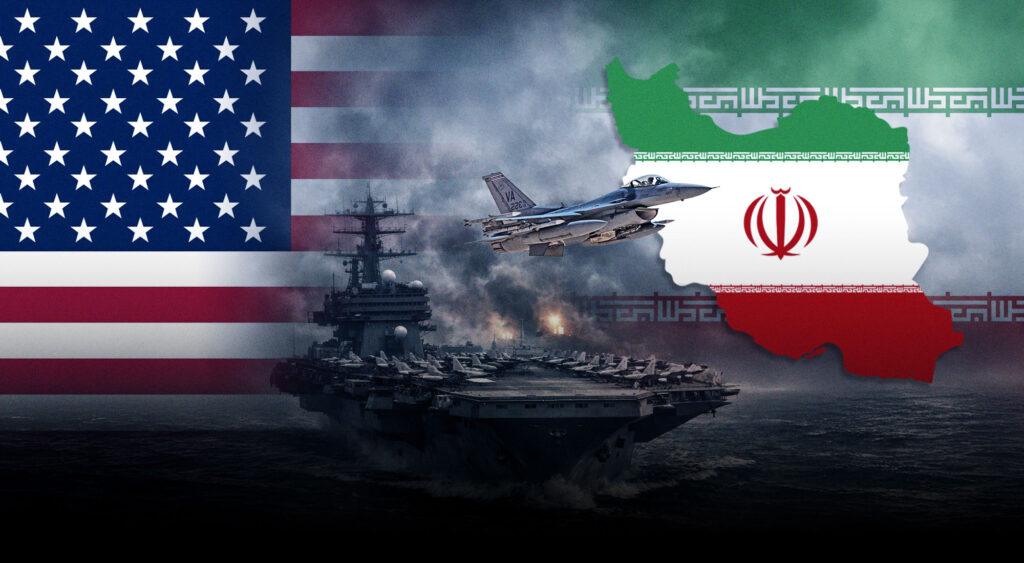
What makes this situation especially concerning is the shift in how the conflict is being fought. By targeting technology companies and their infrastructure, Iran appears to be expanding the scope of the confrontation beyond traditional military targets.
Experts suggest that this represents a new phase of warfare where digital systems, data networks, and private corporations play a central role. The use of drones, cyber operations, and AI-driven intelligence is transforming the nature of conflict in ways that were once considered theoretical.
The possibility that civilian workplaces and technology hubs could become targets raises serious ethical and security questions. It also places employees and ordinary residents in potentially dangerous situations far removed from conventional battlefields.
Read more on: By-Elections Loom as Senate Declares Three Vacancies
Uncertainty Ahead
As the deadline set by Iran passes, the international community is watching closely to see what actions may follow. There are concerns that any form of retaliation could trigger further escalation, drawing more countries and industries into the conflict.
Diplomatic efforts are expected to intensify in the coming days, as global leaders seek to prevent the situation from spiraling further out of control. However, with tensions already at a critical level, the path forward remains uncertain.
What is clear is that this conflict has entered a new and more complex phase. The intersection of technology, politics, and military power has created a situation where the consequences could extend far beyond any single region.
Read more on: