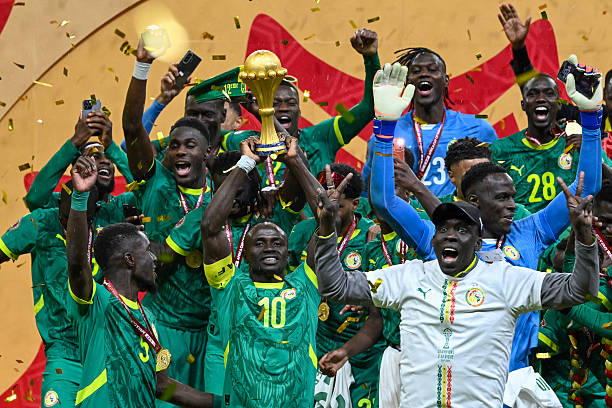
What should have gone down as a dramatic AFCON final has now turned into one of the most controversial decisions in African football history. CAF’s move to strip Senegal of their title and award it to Morocco has transformed an already chaotic match into a full-blown crisis, raising serious questions about fairness, consistency, and the credibility of the game on the continent.
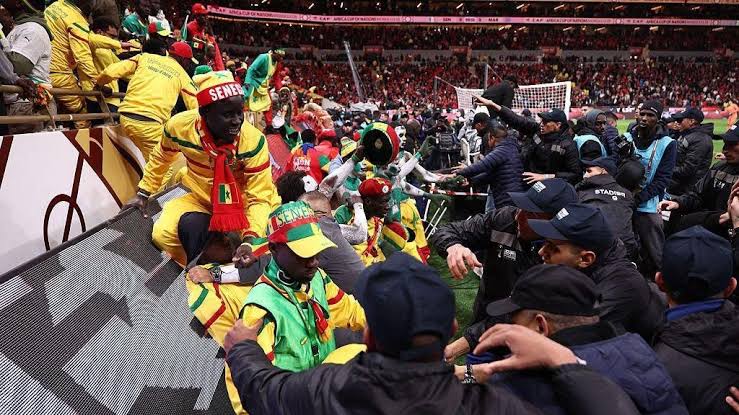
The final in Rabat had everything: tension, controversy, and moments that pushed the limits of the sport. Late in the game, Senegal’s players walked off the pitch in protest after a penalty was awarded to Morocco, bringing proceedings to a halt. It was a bold act of defiance, one that could have defined the outcome right there.
Read more on: Lookman stands as Nigeria’s lone representative in the UCL.
But the match did not end. After a delay, calm was restored, the players returned, and the game resumed. The penalty was taken and missed, and Senegal went on to win in extra time. At full time, they were crowned champions. Despite the drama, the result stood, and for many, that should have been the end of the story.
Initially, CAF appeared to agree. Disciplinary measures were handed out for the incidents surrounding the match, but the result itself remained untouched. The referee’s decision to allow the game to continue was seen as final, in line with the long-standing principle that matches should be decided on the pitch.
Then came the unexpected twist. Weeks later, CAF’s Appeals Board revisited the incident and ruled that Senegal’s walk-off amounted to a breach of competition rules serious enough to be considered a forfeiture. In a stunning reversal, the result was overturned and Morocco were declared champions.
Read more on: Liverpool Cruise Through as Gerrard Blasts Galatasaray’s Performance
The backlash has been swift and intense. Critics argue that if Senegal’s actions warranted such a punishment, it should have been enforced during the match, not after the trophy had already been lifted. By allowing play to resume, the referee effectively validated the continuation of the contest. Reversing that outcome later has left many questioning the consistency of CAF’s decision-making.
Senegal have firmly rejected the ruling, describing it as unjust and unprecedented. The federation has made it clear that it will challenge the decision at the Court of Arbitration for Sport, setting the stage for what could be a lengthy and high-stakes legal battle. Players and fans have also voiced their frustration, insisting that their victory was earned where it matters most, on the pitch.
Beyond the immediate dispute, the situation has exposed deeper concerns about governance in African football. Issues of transparency, authority, and trust have come back into focus, with many wondering what this means for the future of the competition.
What started as a controversial moment in a final has now grown into something much bigger. It is no longer just about who won the match, but about how decisions are made, when they are enforced, and whether the integrity of the game is being protected. With the case likely heading to court, this story is far from over.
Read more on: