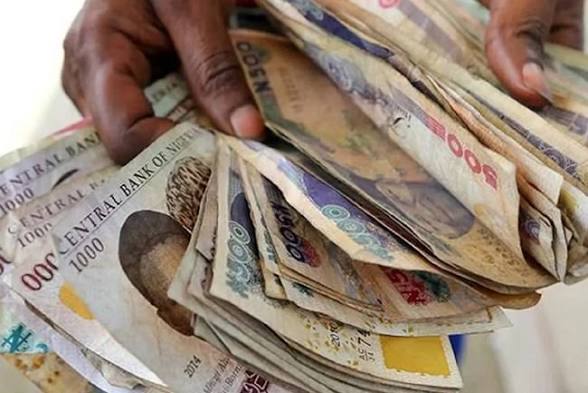
The Nigerian currency came under fresh pressure on March 24, 2026, as the Naira slipped against the U.S. Dollar in the parallel market. Exchange rates hovered between ₦1,415 and ₦1,425, marking a clear drop from the relative stability seen in recent weeks.
This sudden movement reflects a mix of local demand and global uncertainty, both of which are putting strain on the foreign exchange market.
What Is Driving the Decline?
Analysts say several key factors are behind the Naira’s latest dip.
Rising demand for dollars
As the first quarter of the year draws to a close, many businesses are rushing to meet international payment obligations. At the same time, individuals are sourcing foreign currency for travel, school fees, and other personal needs. This surge in demand has reduced supply, especially in the informal market.
Read more on: The Cost of Conflict: Civilian Toll Rises in Iran Ahead of U.S. Strike Pause
Global tensions and investor caution
The ongoing standoff involving the United States and Iran has made investors more cautious. In times like this, many turn to the U.S. Dollar as a safer option. While higher oil prices might seem like good news for Nigeria, concerns about production levels and the cost of importing refined products could limit the country’s gains and affect its reserves.
Speculative trading
Whenever the Naira begins to weaken, speculation often increases. Some traders start holding onto dollars in anticipation of further depreciation, which tightens supply and pushes rates even higher.
Gap Between Official and Parallel Markets
While the parallel market rate climbed above ₦1,400, the official rate at the Central Bank of Nigeria window showed only a mild decline. However, the growing difference between both rates remains a concern, as it often points to deeper liquidity challenges in the system.
Read more on: The Adamawa Shift: Fintiri Joins APC as Shettima Hands Over Party Flag
What It Means for Everyday Nigerians
A weaker Naira usually comes with several direct effects:
- Imported goods such as food items, electronics, and household products may become more expensive
- Fuel-related costs could rise, since parts of the supply chain still depend on foreign exchange
- There is a higher risk of inflation if the currency does not stabilize soon
What to Expect Next
Attention is now on the Central Bank of Nigeria to see whether it will step in to support the currency. Possible measures could include injecting more foreign exchange into the market or tightening monetary policies to reduce excess liquidity.
For now, traders and businesses are watching closely, waiting to see how the situation unfolds in the coming days.
Read more on:
- Caught in the Crisis: Why Nigeria’s Middle East Evacuation Is Facing Delays
- Tension in the Strait: Trump Extends Deadline on Iran Action Amid Signs of Talks
- Connecting Nigeria: EU Commits €288 Million to Boost Healthcare, Digital Access, and Agriculture
- The Kano Convergence: Could an Obi and Kwankwaso Alliance for 2027 Be Taking Shape?