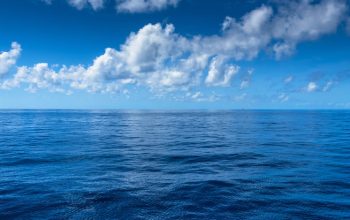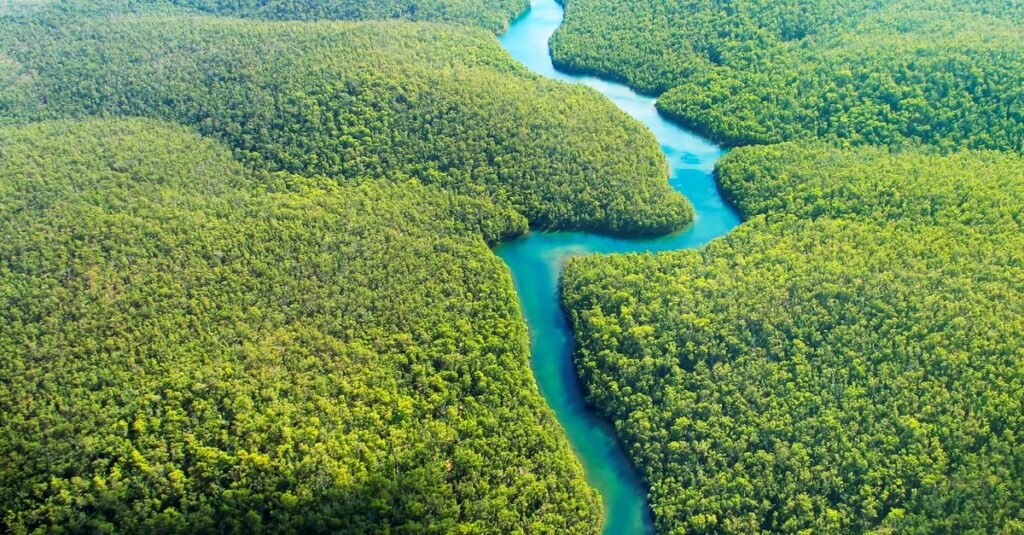
In the world of conservation, March 26, 2026 stands out as a moment of urgency and strong global commitment. As leaders gather at what is often called the gateway to the Pantanal, new efforts to protect both land and sea are taking shape in response to the global goal of protecting 30 percent of the planet by 2030.
Here is a clear and natural overview of today’s major nature developments.
The Blue Frontier: New Protection for the Oceans
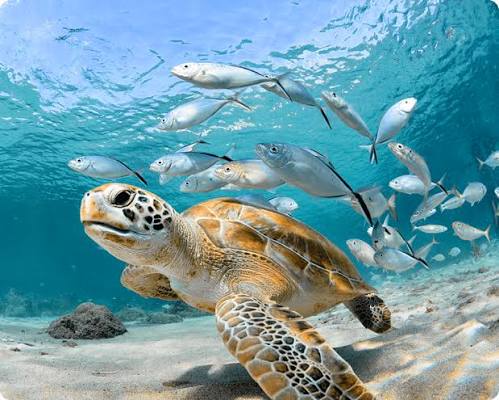
Today’s biggest developments focus on the expansion of Marine Protected Areas. For a long time, the deep ocean has been easy to overlook, but that is beginning to change as more countries take action.
The Southern Ocean is seeing a major step forward. The Commissioner for South Georgia and the South Sandwich Islands has confirmed a large expansion of areas where fishing is completely banned. An extra 166,000 square kilometres has been added, bringing the total protected space to 449,000 square kilometres. This region is home to whales, seals, and penguins, making it one of the most important marine habitats in the world.
In Africa, Gabon is making a powerful move in conservation. The government, working with The Nature Conservancy and the Bezos Earth Fund, has secured 200 million dollars to support its environmental goals. This funding will help protect mangroves and coastal waters while supporting the country’s plan to meet the 30 percent protection target.
Technology is also changing how these protected areas are managed. New systems powered by artificial intelligence and satellite monitoring now allow authorities to track illegal fishing activities in real time. This helps ensure that protected areas are not just declared on paper but are actively enforced.
The Connectivity Crisis: Updates from COP15 in Brazil
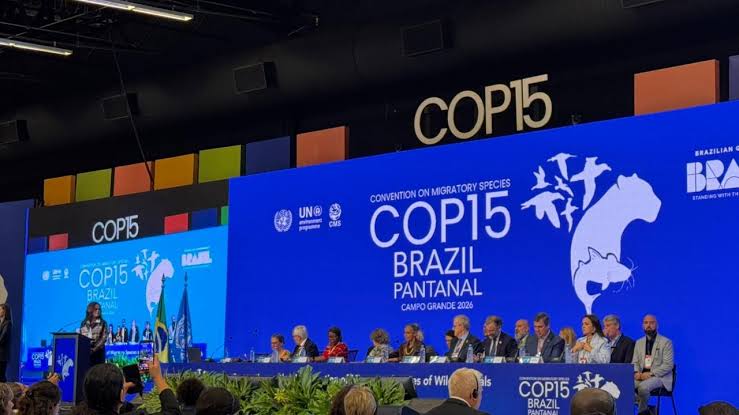
While progress is being made in the oceans, attention is also focused on migratory species at a major United Nations summit taking place in Campo Grande, Brazil.
A new report released at the event shows that nearly half of all migratory species are in decline. Animals such as the snowy owl and the great hammerhead shark are being affected as their natural movement routes are disrupted by human development and climate change.
There is also growing support for stronger protection of the giant otter. Protecting this species goes beyond saving a single animal. It plays a key role in maintaining the health of freshwater systems in regions like the Amazon and the Pantanal.
Freshwater Under Pressure
Freshwater ecosystems are facing serious challenges as well. New findings show a dramatic drop in migratory fish populations. Species such as salmon, eels, and sturgeon have declined by about 80 percent since 1970.
Scientists are now stressing a clear message. Healthy oceans depend on healthy rivers. Without connected waterways, many species cannot survive or reproduce effectively.
The overall picture from March 26, 2026 reflects both progress and concern. More land and water are being protected, and more funding is being committed than ever before. At the same time, wildlife continues to decline at an alarming rate.
The key idea shaping today’s discussions is connectivity. Protecting isolated areas is no longer enough. Ecosystems must remain linked so that species can move, feed, and survive.
As one speaker at the COP15 opening session explained, migration is a natural process, but the barriers created by human activity are not. The focus now is on removing those barriers through policy, technology, and global cooperation.