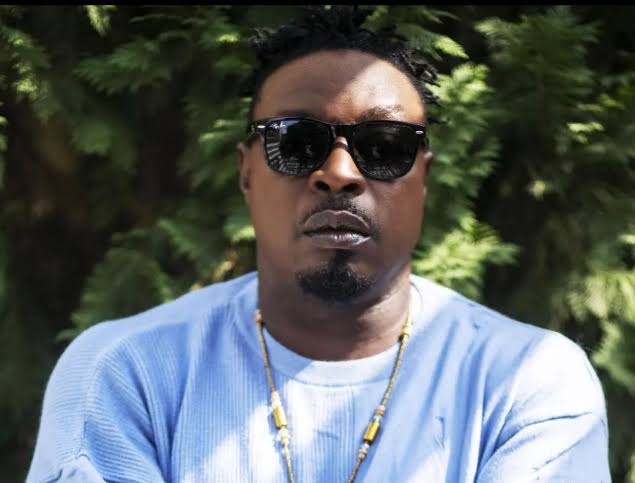
Veteran Nigerian rapper and activist Eedris Abdulkareem has once again stirred intense public conversation, reminding many why he has remained a prominent voice of dissent for over two decades. Known for his fearless commentary and politically charged music, the artist has ignited a fresh wave of reactions across Nigeria’s digital landscape following a fiery outburst directed at President Bola Ahmed Tinubu and his administration.
In a series of strongly worded social media posts accompanied by a viral video released earlier today, Eedris delivered a harsh critique of the federal government’s handling of the recent security crisis in Plateau State. His remarks have not only drawn attention because of their intensity, but also because they touch on deeply emotional national concerns involving loss of lives, leadership responsibility, and public accountability.
This time, however, his criticism extended beyond the President himself. Eedris also addressed Seyi Tinubu, the President’s son, and took aim at vocal supporters of the ruling All Progressives Congress. His comments have since triggered a storm of reactions online, with Nigerians sharply divided between those who see him as speaking truth to power and those who view his tone as excessive.
Read more on: Blessing CEO Retracts Stage 4 Cancer Claim
Backlash Over the President’s Visit to Jos
The immediate trigger for Eedris Abdulkareem’s outburst was President Tinubu’s recent visit to Plateau State following the deadly attacks in parts of Jos. The visit, which took place on Thursday, April 2, had already attracted criticism from various quarters before the rapper added his voice.
While the Presidency described the trip as a strategic engagement aimed at addressing the situation, many Nigerians were dissatisfied with how it unfolded. Reports indicated that the President did not travel into the affected communities but instead conducted his engagements at the Jos airport. This detail became a major talking point, as critics questioned whether the visit truly reflected empathy and urgency.
Eedris expressed his frustration in very direct terms. In his viral video, he questioned the timing and manner of the visit, pointing out that it took several days for the President to arrive in a state that is only a short distance away by air. He also criticized the brevity of the engagement, claiming that the President spent only a limited amount of time interacting with grieving families.
According to him, such an approach sends the wrong message to citizens who are already dealing with trauma and loss. He painted a picture of a leadership style that appears distant from the suffering of ordinary Nigerians, arguing that moments of national tragedy require more visible compassion and presence.
The Plateau attacks, particularly the violence that occurred around Palm Sunday, left dozens dead and many families devastated. Images and videos from the aftermath circulated widely, intensifying public anger and grief. For Eedris, the President’s decision not to visit the exact locations affected by the violence symbolized a disconnect that he believes has become increasingly evident in governance.
Read more on: VDM and Blord’s Legal War
Direct Message to Seyi Tinubu
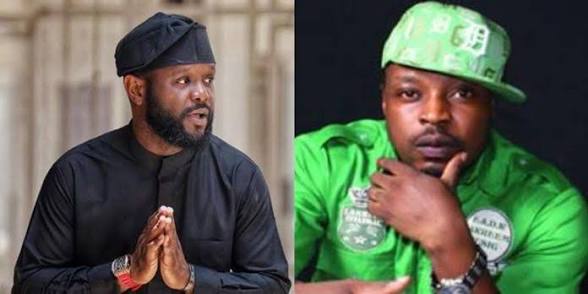
One of the most talked-about aspects of Eedris Abdulkareem’s remarks was his direct address to Seyi Tinubu. This is not the first time the rapper has referenced the President’s son in his commentary. His earlier work, including the track titled Tell Your Papa, had already set the tone for such engagement.
In his latest comments, Eedris challenged Seyi Tinubu to step outside his comfort zone and experience the realities faced by many Nigerians, particularly in regions grappling with insecurity. He suggested that the younger Tinubu should travel through affected areas without heavy security, in order to better understand the risks and fears that ordinary citizens contend with daily.
He also revisited statements previously attributed to Seyi Tinubu, in which the President was described as the best leader Nigeria has had. Eedris openly questioned that claim, pointing to economic hardship, rising inflation, and ongoing security challenges in states like Plateau and Borno.
Beyond policy and governance, he drew attention to what he described as a stark contrast in lifestyle. He criticized what he sees as a disconnect between the experiences of political elites and those of everyday Nigerians. Referencing recent reports of students being evacuated from the University of Jos due to safety concerns, he argued that young people in the country are facing an uncertain and often dangerous reality.
His remarks toward Seyi Tinubu quickly gained traction online, with clips circulating widely and generating both support and criticism. For some, it was a bold move that highlighted generational responsibility and privilege. For others, it crossed a line by personalizing political discourse.
Read more on: Omah Lay Releases ‘Clarity of Mind’ and Stakes His Place at the Top
Criticism of Political Supporters
Eedris Abdulkareem did not limit his commentary to government officials and their families. He also directed sharp criticism at supporters of the ruling party, particularly those active on social media.
In his view, some of these supporters prioritize defending political figures over acknowledging the suffering of citizens. He accused them of hypocrisy, suggesting that their loyalty to party lines often blinds them to the human cost of governance failures.
His language was particularly strong when addressing those who dismiss or downplay public outrage. He questioned how individuals could justify what he described as inadequate responses to serious national crises. According to him, the consequences of insecurity and poor leadership eventually affect everyone, regardless of political affiliation.
These remarks added another layer to the conversation, as they touched on the broader issue of political polarization in Nigeria. Social media has become a battleground where narratives are shaped, challenged, and amplified, often in highly emotional ways. Eedris’s comments tapped into this dynamic, further fueling debates about accountability and civic responsibility.
Read more on: Simi and Adekunle Gold Welcome Their Second Child
Response from the Presidency
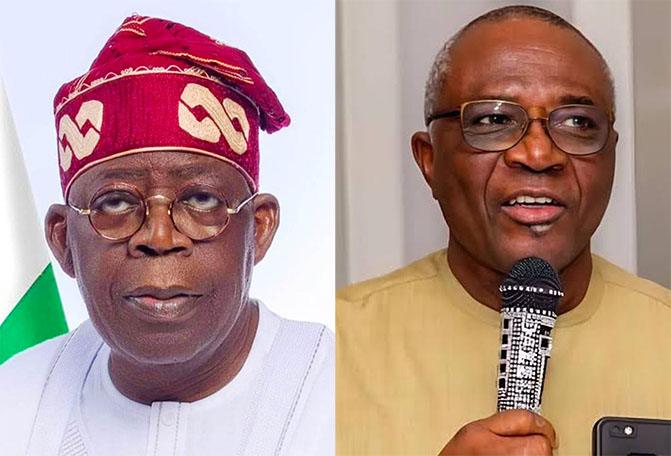
As of now, there has been no direct response from the Presidency specifically addressing Eedris Abdulkareem’s statements. However, government officials have previously responded to criticisms surrounding the President’s visit to Plateau State.
Bayo Onanuga, Special Adviser to the President on Information and Strategy, issued a statement explaining the circumstances surrounding the trip. He noted that scheduling challenges, including a prior engagement with a foreign leader, affected the timing of the visit.
Despite the criticisms, the Presidency maintains that the visit was meaningful. Officials highlighted the President’s interaction with victims’ families, including a widely publicized meeting with a grieving mother whose story had become symbolic of the tragedy.
Supporters of the administration argue that such engagements demonstrate empathy and concern, even if they do not meet the expectations of all observers. Critics, however, continue to insist that more could have been done to show solidarity with affected communities.
The Enduring Relevance of Nigeria Jagajaga
For many Nigerians, Eedris Abdulkareem’s latest outburst is a reminder of his long-standing role as a social commentator. His 2004 song Nigeria Jagajaga remains one of the most iconic protest tracks in the country’s music history. At the time of its release, it sparked widespread debate for its blunt depiction of national issues.
More than two decades later, the themes explored in that song still resonate with many citizens. Issues such as governance, inequality, and insecurity continue to dominate public discourse, making Eedris’s voice as relevant as ever in certain circles.
His ability to capture public sentiment through both music and commentary has helped him maintain a unique position in Nigeria’s cultural and political landscape. While not everyone agrees with his approach, there is little doubt that his words often spark conversation and reflection.
Read more on: Funke Akindele Keeps Quiet on Premiere Drama While Setting Her Sights on a Political Return
A Nation on Edge
The timing of this latest controversy is particularly significant. Nigeria is currently navigating a tense period, with heightened security concerns in several regions. Authorities have implemented increased safety measures, including the deployment of thousands of security personnel, as the country moves through a sensitive season.
Against this backdrop, public reactions to leadership decisions are especially intense. Citizens are looking for reassurance, transparency, and decisive action. Any perceived shortcomings are quickly amplified, especially in the age of social media.
Eedris Abdulkareem’s remarks have added to this already charged atmosphere. Whether viewed as constructive criticism or provocative rhetoric, they have undeniably captured national attention.
As conversations continue to unfold, one thing remains clear. The intersection of music, activism, and politics in Nigeria is as powerful as ever. Voices like Eedris’s continue to challenge authority and provoke debate, ensuring that critical issues remain in the public eye.
In a country as diverse and dynamic as Nigeria, such debates are unlikely to fade anytime soon.
Read more on: