Nigeria has taken a major step toward strengthening its healthcare system, with the Federal Government committing an additional $346 million in the 2026 budget to tackle HIV, Tuberculosis, and Malaria.
The announcement was made on March 24, 2026, alongside the celebration of World TB Day and the introduction of a groundbreaking HIV prevention drug called Lenacapavir.
Together, these developments signal a stronger push toward self-reliance and modern healthcare solutions in Nigeria.
A $346 Million Boost for Healthcare
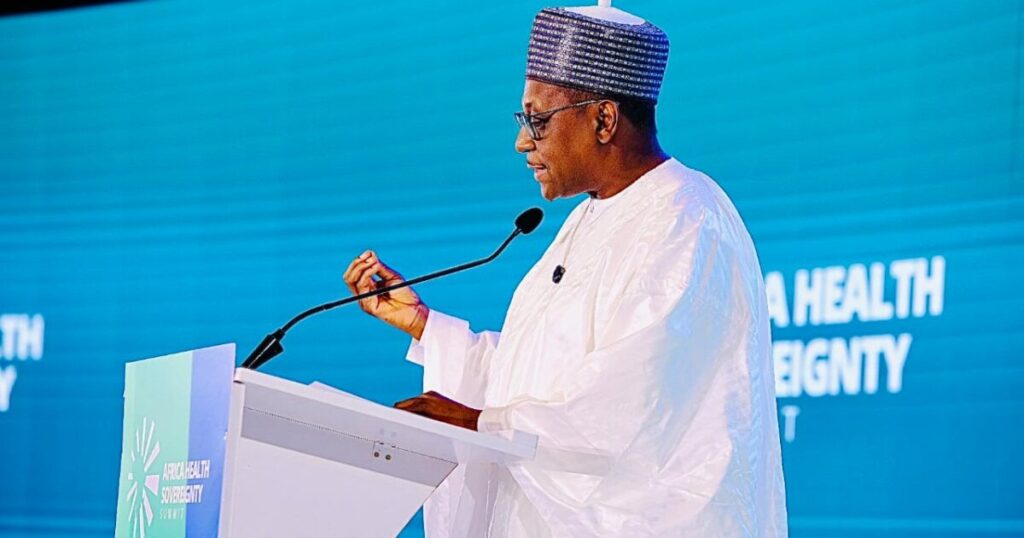
The Coordinating Minister of Health, Muhammad Ali Pate, revealed that Bola Ahmed Tinubu has directed that the funding be fully included in the national budget.
This investment will go into key areas such as essential medical supplies, laboratory services, disease monitoring, and the expansion of primary healthcare across the country.
The goal is clear: reduce dependence on foreign aid programs like The Global Fund and PEPFAR, while building a stronger, self-sustaining health system by 2030.

Read more on: Naira Weakens as Market Pressures Mount
A New Era in HIV Prevention
One of the biggest highlights is the rollout of Lenacapavir, a new type of HIV prevention treatment.
Unlike traditional daily pills, this drug is given as an injection just twice a year, making it far easier for people to stay protected.
Nigeria is among the first nine countries selected for its early rollout, with about 52,000 doses already secured. The plan is to scale up to nearly 180,000 doses by 2028.
The first phase will begin in the Federal Capital Territory and states like Anambra, Ebonyi, Gombe, Kwara, Akwa Ibom, Cross River, Benue, Lagos, and Kano.
Because it reduces the need for daily medication, it also helps tackle issues like missed doses and the stigma some people face when taking HIV drugs regularly.
Read more on: The Cost of Conflict: Civilian Toll Rises in Iran Ahead of U.S. Strike Pause
Renewed Focus on Tuberculosis
The government is also stepping up efforts against TB by introducing a new accountability framework and integrating TB and HIV services.
With Nigeria still recording hundreds of thousands of TB cases each year, this approach will ensure patients are tested and treated for both conditions at the same time.
“If you have a cough that lasts for two weeks or more, do not wait. Visit a health facility and get treated. Together, we can end TB and HIV.” — Iziaq Salako
A Turning Point for Nigeria’s Health System
This latest move is more than just funding and new medicine. It reflects a broader shift toward taking full control of Nigeria’s healthcare future.
By combining increased local investment with modern medical innovations, the country is positioning itself to meet global targets of ending HIV and TB as major public health threats by 2030.
The message is simple: Nigeria is no longer waiting on external support. It is taking bold steps to secure the health of its people.
Read more on:
- The Adamawa Shift: Fintiri Joins APC as Shettima Hands Over Party Flag
- Caught in the Crisis: Why Nigeria’s Middle East Evacuation Is Facing Delays
- Tension in the Strait: Trump Extends Deadline on Iran Action Amid Signs of Talks
- Connecting Nigeria: EU Commits €288 Million to Boost Healthcare, Digital Access, and Agriculture