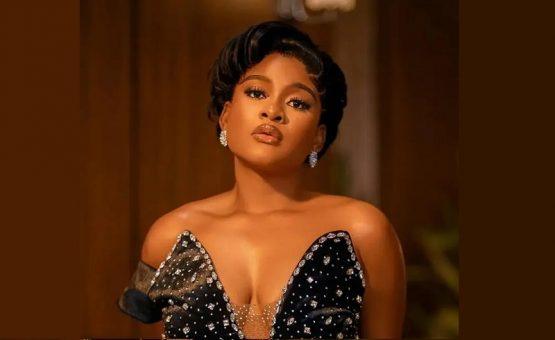
Reality TV star and Big Brother Naija Season 7 winner, Josephina “Phyna” Otabor, has found herself at the center of intense public scrutiny once again, this time over her recent decision to undergo cosmetic surgery and the timing of that decision in relation to a deeply personal loss.
Phyna, who rose to fame during the “Level Up” edition of the show and has since built a strong presence as an influencer and media personality, recently shared her experience undergoing a Brazilian Butt Lift alongside 360 liposuction. Her openness about the process, including the pain and vulnerability that came with it, drew attention across social media platforms. However, what might have been a typical celebrity transformation story quickly turned into a heated debate, as critics began questioning whether it was appropriate for her to make such a move while still grieving the loss of her younger sister.
Earlier this week, Phyna took to her social media pages to document her post-surgery recovery in a series of unfiltered videos. In these clips, she appeared visibly exhausted but determined, showing herself hooked up to medical equipment and navigating the discomfort that follows such procedures. She spoke candidly about the reality of cosmetic surgery, making it clear that it is not as glamorous as it is often portrayed online. Despite the pain she described, her tone remained confident and satisfied. She expressed excitement about her new body, proudly pointing out her slimmer waist and enhanced curves, while also acknowledging the physical toll the process had taken on her.
Her posts quickly gained traction, sparking mixed reactions. While many fans applauded her honesty and admired her confidence, others were less supportive. The criticism was not solely about the surgery itself but rather about its timing. In August 2025, Phyna lost her younger sister, Ruth Otabor, in a tragic road accident involving a Dangote truck. The incident was widely reported and drew sympathy from fans and the general public. For some observers, the memory of that loss is still fresh, and they felt that Phyna’s decision to undergo cosmetic enhancement suggested a lack of proper mourning.
Read more on: BBNaija’s Angel Faces Marriage Crisis
The criticism intensified as social media users began to accuse her of being insensitive and even disrespectful to her sister’s memory. Some argued that a person in mourning should not be publicly celebrating physical transformation or engaging in what they perceived as vanity-driven decisions. Others went further, suggesting that her actions reflected poorly on family values and cultural expectations surrounding grief.
Phyna did not remain silent in the face of these accusations. During an Instagram livestream on Saturday, she addressed the controversy directly, speaking with a mix of frustration and determination. She made it clear that she would not accept being judged for how she chooses to process her grief. According to her, many of the criticisms stem from a misunderstanding of what mourning looks like and an unrealistic expectation that grief must always be publicly displayed.
She explained that her love for her sister is something deeply personal and not something she feels the need to broadcast online. In her words, grieving is not a performance. She emphasized that just because she does not frequently post emotional tributes or appear visibly distressed on social media does not mean she has forgotten her sister or moved on without pain. For her, grief is something carried internally, a constant presence that does not need validation from an online audience.
She also pointed out that life does not come to a permanent halt after loss. Reflecting on her family’s experience, she noted that after her sister was laid to rest on August 31, they gradually returned to their daily routines. She argued that this is a natural part of healing, even if it may not align with what outsiders expect to see. People, she said, continue living because they have no choice, and doing so does not diminish the love they had for the person they lost.
Another aspect of her response focused on the role that online bullying played in her decision to undergo surgery. Phyna revealed that she had been the target of persistent body shaming for months. According to her, social media users frequently mocked her appearance, using hurtful terms and comparing her body to unflattering images. These comments, she admitted, affected her more than she initially let on. While she maintained a strong public persona, the constant negativity eventually influenced her choice to make a change.
Read more on: Crayon Breaks Silence on Mental Health Crisis
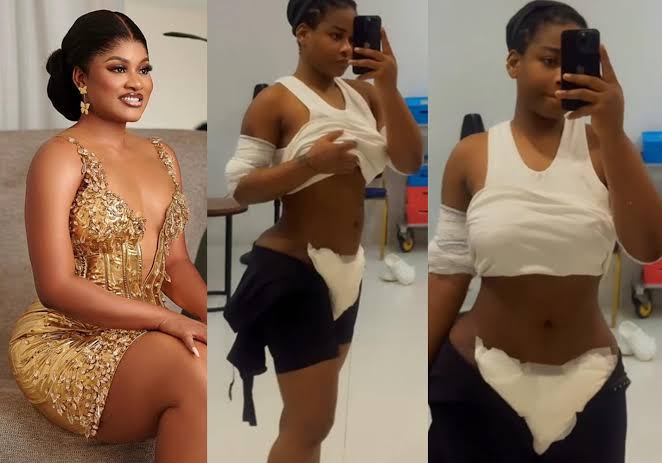
She described how people would call her names and ridicule her body shape, sometimes disguising insults as jokes. Over time, this created a sense of pressure that made her consider options she had previously dismissed. Although she had once spoken against cosmetic surgery, particularly during her time on Big Brother Naija when she criticized fellow housemate Chichi, she now says her perspective has evolved. According to her, maintaining a certain body standard through fitness alone became increasingly difficult due to her demanding schedule, which includes filming, appearances, and managing her online presence.
In addition to addressing the criticism surrounding her surgery, Phyna used the livestream to clear up rumors about a supposed financial settlement linked to her sister’s death. There had been widespread speculation that the Dangote Group paid her family a significant amount of money, with some claims putting the figure as high as one billion naira. Phyna firmly denied these reports, stating that they are completely false. She expressed frustration at how quickly such rumors spread and how they can distort public perception.
The controversy surrounding Phyna’s decision also ties into a broader conversation about beauty standards and societal expectations, particularly for women in the public eye. In Nigeria, as in many parts of the world, female celebrities often face intense scrutiny over their appearance. Every change, whether natural or cosmetic, becomes a topic of public discussion. For some, Phyna’s transparency is refreshing, as it sheds light on the realities behind the polished images often seen online. For others, it raises concerns about the growing normalization of surgical enhancements and the potential risks involved.
This conversation has become even more sensitive in light of recent events within the social scene. The passing of socialite Elena Jessica, who reportedly died from complications related to a similar procedure, has brought renewed attention to the dangers associated with cosmetic surgery. Critics argue that public figures who openly celebrate such transformations may inadvertently encourage others to pursue them without fully understanding the risks. Supporters, on the other hand, believe that individuals should have the freedom to make choices about their own bodies without facing judgment.
Phyna’s situation highlights the complex intersection of personal autonomy, public perception, and cultural expectations. As a public figure, her actions are constantly observed and interpreted, often through the lens of societal norms that may not reflect her personal reality. The expectation that grief must follow a specific pattern or timeline is one of the key issues at the heart of this debate. While some people express their mourning openly and frequently, others choose to process it quietly, away from the public eye.
Read more on: Blessing CEO Faces EFCC Probe Over Alleged ₦300 Million Cancer Fund Fraud
Her response has sparked further discussion, with opinions remaining divided. Some fans have rallied behind her, praising her for standing her ground and refusing to conform to what they see as unrealistic standards imposed by social media. They argue that her honesty about both her surgery and her grief offers a more nuanced view of what it means to navigate life after loss while living in the public spotlight. Others remain critical, insisting that certain actions, especially those perceived as celebratory or self-focused, should be approached with more sensitivity in the context of recent bereavement.
What is clear is that Phyna’s story goes beyond a simple narrative of cosmetic transformation. It touches on deeper themes such as the pressure of maintaining a public image, the impact of online criticism, and the different ways people cope with loss. It also raises questions about how much of a person’s private life should be subject to public judgment, especially when that person is a celebrity.
As the conversation continues to unfold, Phyna appears determined to stay true to herself. Her message, at its core, is one of personal choice and resilience. She is asserting her right to live her life on her own terms, even if that means facing criticism along the way. Whether one agrees with her decisions or not, her willingness to speak openly about her experiences has ensured that the discussion will not fade anytime soon.
In the end, the reaction to Phyna’s actions reflects a broader societal tension between tradition and individuality, between collective expectations and personal freedom. It is a conversation that extends far beyond one individual, touching on issues that resonate with many people navigating their own lives in an increasingly connected and judgmental world.
Read more on:
- Orezi Remembers Late Father, Calls Out Leaders Over Nigeria’s Failing System
- Adekunle Gold and Olamide Finally Drop First-Ever Track
- Wizkid Blasts Burna Boy Over DJ Tunez Fight, Trolls Him With Baby Oil Posts
- DJ Tunez Speaks Out After Clash with Burna Boy
- Omah Lay Responds to Viral Performance That Reportedly Ended a Relationship in 2024