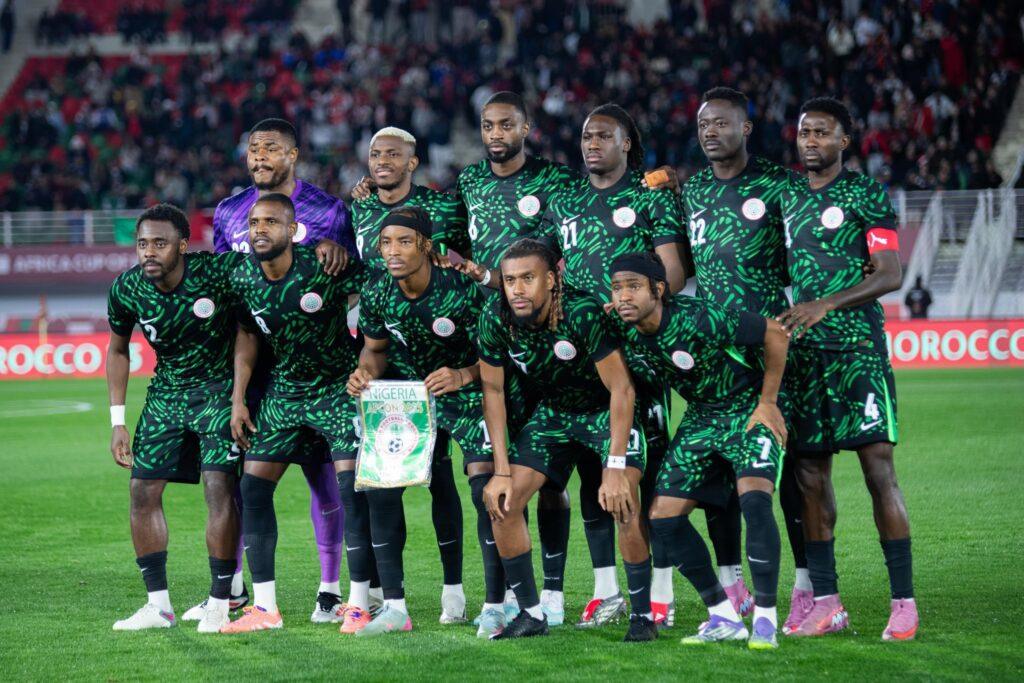
The landscape of African football has taken a dramatic turn following the official confirmation of the ten nations that will represent the continent at the 2026 FIFA World Cup in North America. While many countries are celebrating historic qualification, Nigeria’s absence has cast a shadow over what should have been a moment of continental pride.
For the second consecutive World Cup, the Super Eagles will not be present on football’s biggest stage, a reality that has left fans frustrated and searching for answers.
A Historic Moment for Africa
The 2026 World Cup marks a new era for global football, with FIFA expanding the tournament to 48 teams. This expansion has given Africa a record ten slots, the highest in the continent’s history.
Nine teams secured automatic qualification by topping their groups during the CAF qualifiers, which concluded in October 2025. The final spot was decided through the inter-confederation playoffs, adding a dramatic finish to the qualification process.
The ten African nations heading to the World Cup are;
Morocco,Senegal, Egypt, Algeria, Ivory Coast, Tunisia, Ghana, South Africa, Cape Verde, and DR Congo.
These teams now carry the hopes of a continent eager to make a deeper impact on the global stage. With African teams showing steady improvement in recent tournaments, expectations are higher than ever.
Read more on: Infantino Shuts Down Iran World Cup Exit Rumors Amid Rising Tensions
Nigeria’s Painful Absence
Nigeria’s failure to qualify stands out as one of the biggest disappointments of the entire qualification campaign. On paper, the Super Eagles boasted one of the most dangerous attacking units in Africa, with players like Victor Osimhen, Ademola Lookman, and Victor Boniface all in top form at club level.
However, football is rarely decided on paper. Nigeria’s campaign was defined by inconsistency, missed opportunities, and an inability to convert key matches into victories.
Placed in Group C, the Super Eagles finished second with 17 points, just one point behind South Africa, who claimed the automatic qualification spot with 18 points. The difference ultimately came down to dropped points in matches Nigeria were widely expected to win.
Drawing five out of ten matches proved costly. Those draws, rather than outright defeats, quietly derailed their campaign and allowed South Africa to edge ahead.
The Playoff Heartbreak
After missing out on automatic qualification, Nigeria still had a second chance through the playoff route. This final opportunity saw them face DR Congo in a high-pressure encounter in November 2025.
The match lived up to expectations, with both teams showing determination and tactical discipline. After 120 minutes of football, neither side could find a winning goal, forcing the game into a penalty shootout.
In the end, it was DR Congo who held their nerve, winning 4–3 on penalties and securing their place at the World Cup. For Nigeria, it was a heartbreaking conclusion to a campaign that had promised so much but delivered so little.
The aftermath brought further controversy. The Nigeria Football Federation lodged a protest with FIFA, questioning the eligibility of certain DR Congo players. This move briefly raised hopes of a possible reversal. However, the case was officially withdrawn on March 5, 2026, putting an end to any lingering hopes of qualification.
Read more on: Salah Set to Leave Liverpool as Egypt Warns Against MLS Move
A Shift in African Football Power
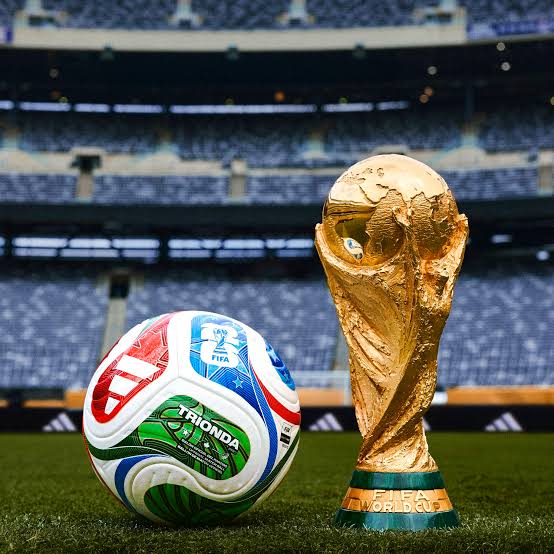
Beyond Nigeria’s disappointment, the list of qualified teams reflects a changing dynamic within African football. Traditional powerhouses such as Egypt, Senegal, and Algeria have maintained their strong presence, while Morocco continues to build on its recent global success with another impressive qualification run.
At the same time, newer forces are emerging and challenging the old order. Cape Verde’s qualification is one of the standout stories, as they topped their group ahead of Cameroon, a nation with a long and proud World Cup history.
DR Congo’s return is equally significant. Their last appearance at the World Cup came in 1974, when they competed as Zaire. Their qualification represents both a footballing and symbolic achievement, marking a return to the global stage after more than five decades.
South Africa’s success also deserves attention. Their disciplined and consistent performances throughout the qualifiers allowed them to edge out Nigeria in one of the most competitive groups.
Big Names Missing
Nigeria is not alone in missing out on the tournament. Other notable absentees include Cameroon, Mali, and Burkina Faso. Still, Nigeria’s case attracts the most attention due to the quality of talent currently available in the squad.
Players like Victor Osimhen, who is regarded as one of the best strikers in world football, will once again miss the chance to showcase their abilities on the World Cup stage. This places him among a growing list of elite players who have yet to feature at the tournament.
Questions and Reflection
Nigeria’s absence raises serious questions about the direction of football administration in the country. With such a talented generation of players, expectations were high, and the failure to qualify has intensified scrutiny on coaching decisions, team management, and overall planning.
Fans and analysts alike are calling for a thorough review of the qualification campaign to identify what went wrong and how similar mistakes can be avoided in the future.
Read more on: Neymar Breaks Silence on Brazil Snub, Calls Mbappé ‘World-Class
Looking Ahead
As the ten qualified teams begin preparations for the World Cup in June, Nigeria faces a period of reflection and rebuilding. The focus will now shift to ensuring that the Super Eagles return stronger in upcoming competitions, including the next qualification cycle.
For now, however, the reality remains difficult to accept. While the rest of Africa prepares to shine on the world stage, Nigeria will once again be watching from the sidelines.
Read more on: