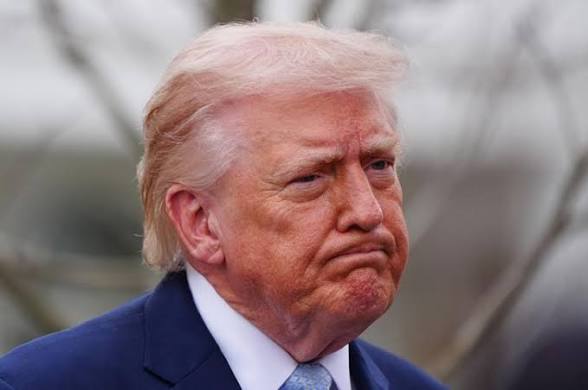
Global tensions eased slightly after Donald Trump decided to extend his 48 hour ultimatum to Iran by an additional five days. The announcement was made on Truth Social and later confirmed by the White House, delaying a possible United States strike on Iran’s energy facilities.
The original deadline had raised serious concerns worldwide. The United States had warned that it could target Iran’s power infrastructure if the Strait of Hormuz remained closed to global shipping. This waterway is critical to international trade, carrying a large share of the world’s oil supply.
A Five Day Window for Talks
President Trump explained that the extension followed what he described as positive and productive discussions, suggesting that diplomatic progress may be underway.
The aim is to reach a full resolution to the ongoing tensions in the Middle East. The strategy appears to involve using recent military pressure as leverage to push for negotiations. Trump even mentioned the possibility of a shared arrangement with Iranian authorities to manage the Strait of Hormuz and maintain stability in the region.
“We’re giving it five days and then we’re going to see where that takes us. I think it could very well end up being a very good deal for everybody.” — President Donald Trump
Read more on: Connecting Nigeria: EU Commits €288 Million to Boost Healthcare, Digital Access, and Agriculture
Different Views from Both Sides
While officials in Washington are presenting the move as a step toward diplomacy, reactions from Tehran tell a different story.
Iranian state media rejected claims of direct negotiations and described the delay as a sign of weakness, suggesting that the United States stepped back out of concern over a possible Iranian response.
At the same time, there are indications that communication is happening indirectly. Reports suggest that messages have been passed through mediators such as Pakistan or Egypt, and Iranian officials are reviewing these proposals.
Over the weekend, tensions had escalated further when Iran warned it could deploy sea mines across the Persian Gulf and target energy facilities in Israel and nearby Gulf countries.
Read more on: The Kano Convergence: Could an Obi and Kwankwaso Alliance for 2027 Be Taking Shape?
Impact on Global Markets
The decision to delay any military action brought some relief to global markets.
Oil prices, which had risen sharply toward one hundred and thirteen dollars per barrel, dropped to around ninety seven dollars after the announcement.
There are also early signs of cautious movement in shipping. Two India flagged gas carriers were able to pass through the Strait on Monday evening, although most commercial traffic remains limited.
What Comes Next
Attention is now turning to possible talks in Islamabad, where representatives from both sides may meet within the week. The situation remains uncertain, and the extended deadline means time is limited.
If no agreement is reached within the five day period, the possibility of military action could return quickly.
For now, the world is watching closely, waiting to see whether this pause leads to meaningful progress or simply delays a larger confrontation.
Read more on:
- Former Acting AGF Nwabuoku Sentenced to 72 Years for ₦868 Million Fraud
- Darkness During Celebration: Power Supply Drops as National Grid Struggles Over Holiday Weekend
- Petrol Price Climbs to ₦1,332 as Dangote Refinery Responds to Global Pressures
- Fear Grips Ozoro: Female Students Flee DSUST Campus After Festival Assaults.