In today’s fast-moving world, your skin often tells the story of your daily habits. From long hours on screens to exposure to pollution and the constant pressure of staying connected, many people are noticing that breakouts are becoming harder to manage. While skincare products play an important role, relying on creams and cleansers alone may not be enough to achieve lasting results.
Recent advances in dermatology and nutrition continue to highlight a strong connection between what we eat and how our skin behaves. This relationship, often referred to as the gut-skin axis, shows that the health of your digestive system can directly influence inflammation, oil production, and even the skin’s ability to heal. In simple terms, nourishing your body with the right foods can support clearer, healthier skin over time.
If you are dealing with stubborn acne or frequent breakouts, adjusting your diet can be a powerful step in the right direction. Below are ten foods backed by science that can help reduce inflammation, balance your system, and promote a more radiant complexion.
Fatty Fish such as Salmon, Mackerel, and Sardines
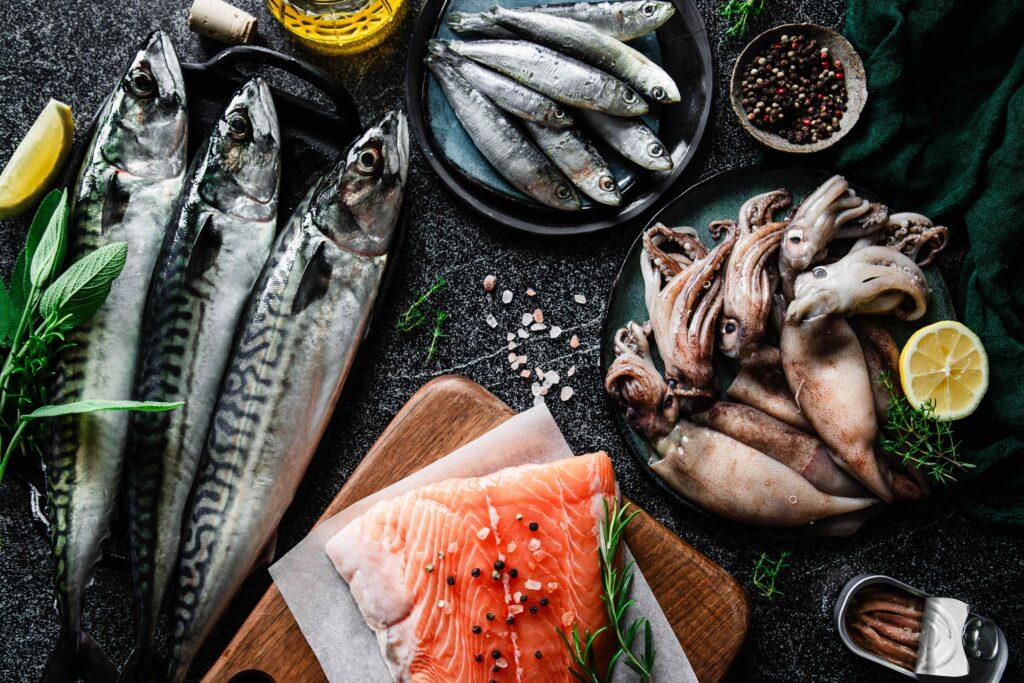
Fatty fish are widely regarded as one of the best foods for improving skin health. They are rich in omega three fatty acids, which are essential fats known for their strong anti inflammatory properties. Acne is often linked to inflammation within the body, and consuming these healthy fats helps calm that response.
In addition to reducing redness and swelling, omega three fatty acids also help regulate oil production in the skin. When your body produces too much sebum, pores can become clogged, leading to breakouts. By maintaining a healthier balance, fatty fish can help prevent this process. They also support the skin’s structure by keeping it hydrated and supple, which is essential for an even complexion.
Read more on:10 High-Protein Foods That Outperform Eggs and Boost Your Health
Spinach and Kale
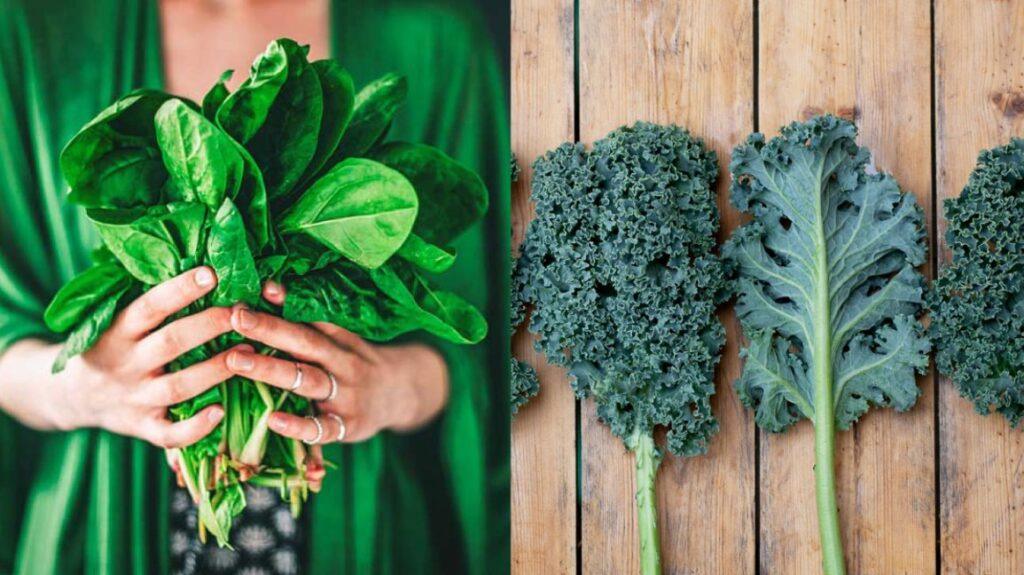
Leafy greens like spinach and kale are often described as nutritional powerhouses, and for good reason. They are packed with vitamins and minerals that directly benefit the skin. One of the key nutrients found in these vegetables is vitamin A, which helps regulate the production of skin cells. When skin cells are produced too quickly, they can clog pores and trigger acne.
These greens are also rich in vitamin C, which supports collagen production. Collagen is important for maintaining the skin’s firmness and aiding in repair. On top of that, their chlorophyll content helps the body detoxify by flushing out impurities that may contribute to breakouts. Adding leafy greens to your meals regularly can provide your skin with a steady supply of essential nutrients.
Blueberries
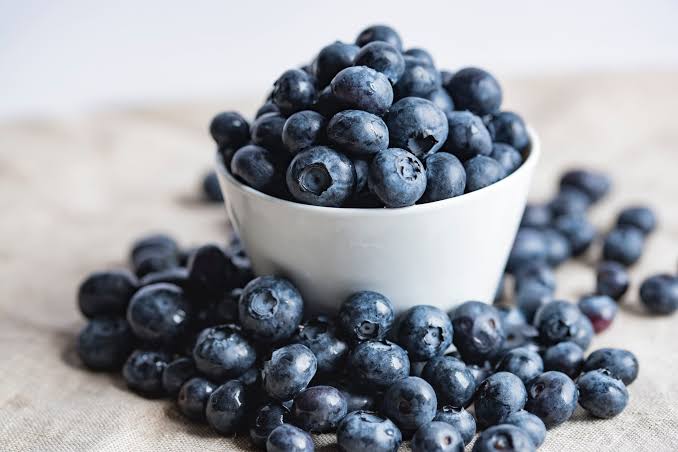
Blueberries may be small, but they are loaded with powerful antioxidants. These antioxidants, particularly anthocyanins, help protect the skin from damage caused by free radicals. Free radicals are unstable molecules that can result from pollution, stress, and exposure to sunlight. They can damage skin cells and worsen inflammation, making acne more severe.
By neutralizing these harmful molecules, blueberries help protect your skin and support its natural healing process. They also contribute to an overall brighter complexion and can help reduce the appearance of blemishes over time. Including a handful of blueberries in your daily diet is an easy and effective way to support skin health.
Pumpkin Seeds
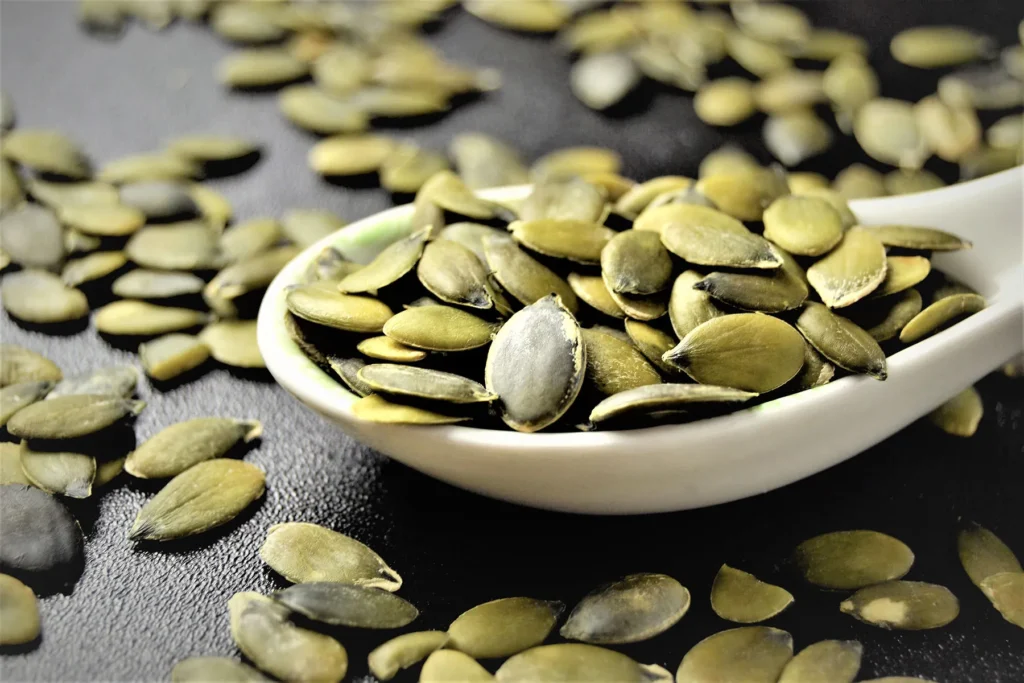
Pumpkin seeds are an excellent source of zinc, a mineral that has been extensively studied for its role in managing acne. Zinc helps regulate the activity of the sebaceous glands, which are responsible for producing oil in the skin. When these glands become overactive, they can contribute to clogged pores and breakouts.
In addition to balancing oil production, zinc also has antibacterial properties that help combat the bacteria associated with acne. This makes pumpkin seeds a simple yet powerful snack for anyone looking to improve their skin from within. Regular consumption can contribute to clearer skin and a reduction in inflammation.
Read more on: The First Nigerians to Study Overseas
Walnuts

For those who do not consume fish, walnuts provide an excellent plant based alternative for obtaining essential fatty acids. They contain alpha linolenic acid, a type of omega three fat that supports the skin in a similar way to the fats found in fish.
Walnuts are also rich in vitamin E, which plays a crucial role in protecting the skin from damage. Vitamin E helps strengthen the skin barrier and supports healing, making it particularly useful for reducing acne scars and improving overall skin texture. Including walnuts in your diet can help nourish your skin and promote a smoother appearance.
Sweet Potatoes
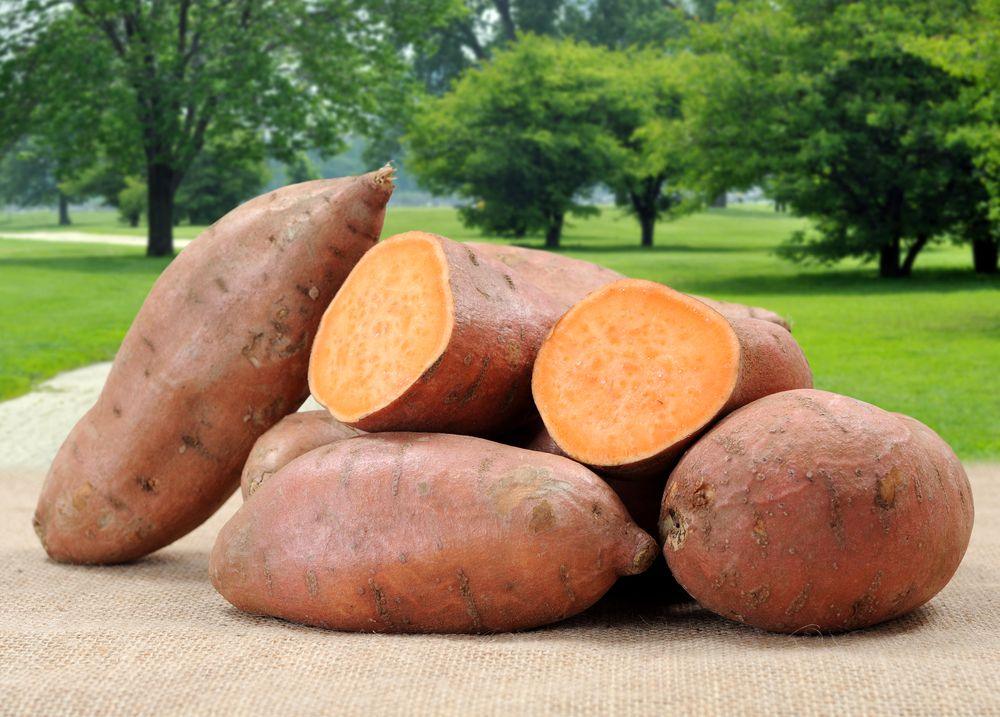
Sweet potatoes are known for their vibrant orange color, which comes from beta carotene. This compound is converted into vitamin A in the body, providing many of the same benefits as the vitamin A found in leafy greens.
Vitamin A helps prevent the overproduction of skin cells, which can clog pores and lead to acne. It also strengthens the skin’s protective barrier, helping it retain moisture and resist irritation. By supporting healthy cell turnover, sweet potatoes can contribute to a clearer and more balanced complexion.
Probiotic Yogurt or Kefir

Probiotics have gained significant attention in recent years for their impact on overall health, including the condition of the skin. These beneficial bacteria help maintain a balanced gut microbiome, which plays a key role in regulating inflammation throughout the body.
Studies have shown that improving gut health can lead to a noticeable reduction in acne severity. Probiotic rich foods like yogurt and kefir introduce good bacteria into the digestive system, helping to restore balance and support the immune response. When your gut is functioning properly, your skin is better equipped to stay calm and clear.
Read more on: 10 Ways Your Phone Is Slowly Harming Your Body and Mind
Green Tea

Green tea is more than just a refreshing beverage. It contains a powerful compound known as epigallocatechin gallate, often abbreviated as EGCG. This compound has been shown to reduce oil production in the skin and calm inflammation.
Drinking green tea regularly can help manage the factors that contribute to acne, especially excess sebum and irritation. It also provides a healthier alternative to sugary drinks, which can spike insulin levels and trigger breakouts. Replacing high sugar beverages with green tea can make a meaningful difference in your skin over time.
Brazil Nuts
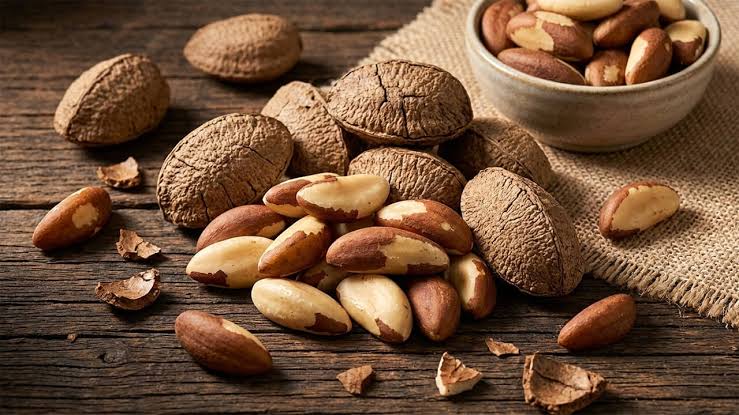
Brazil nuts are one of the richest natural sources of selenium, a mineral that supports skin health in several ways. Selenium works alongside other antioxidants like vitamins C and E to protect the skin from damage and maintain its elasticity.
This mineral also plays a role in reducing inflammation, which is a key factor in acne development. Consuming Brazil nuts in moderation can help strengthen your skin’s defenses and promote a more even texture. Due to their high selenium content, only a small amount is needed to experience their benefits.
Tomatoes

Tomatoes are packed with lycopene, an antioxidant that offers protection against environmental stressors. Lycopene helps shield the skin from damage caused by sunlight and pollution, both of which can worsen acne and lead to uneven skin tone.
In addition to its protective effects, lycopene supports the overall structure of the skin, helping it remain smooth and resilient. While tomatoes can contribute to some level of protection, they should not replace the use of sunscreen. Instead, they work best as part of a comprehensive approach to skincare and nutrition.
Read more on: First Black Astronaut Heads Toward the Moon on Artemis II
The Bigger Picture
While incorporating these foods into your diet can make a significant difference, it is important to remember that no single food can completely eliminate acne. Skin health is influenced by a combination of factors, including genetics, hormones, stress levels, and lifestyle habits. However, creating a diet that is rich in whole, nutrient dense foods and low in processed sugars can provide your body with the tools it needs to heal and function properly.
Consistency is one of the most important factors in seeing results. Skin cells typically take about twenty eight days to renew, which means it may take several weeks before you begin to notice visible improvements. Staying committed to healthy eating habits during this period is essential for long term success.
In addition to diet, maintaining a simple and effective skincare routine, staying hydrated, and managing stress can further enhance your results. When these elements work together, they create a strong foundation for clear and healthy skin.
Taking care of your skin from within is not about quick fixes or temporary solutions. It is about building habits that support your overall well being. By making thoughtful choices about what you eat, you can give your skin the nourishment it needs to thrive naturally.
Read more on: