
For a long time, discussions about microplastics have focused on oceans and food. Now, American Lung Association is drawing attention to something much closer to home. In a new report released on March 26, 2026, the organization highlights the hidden risks of microplastics in the air inside our homes.
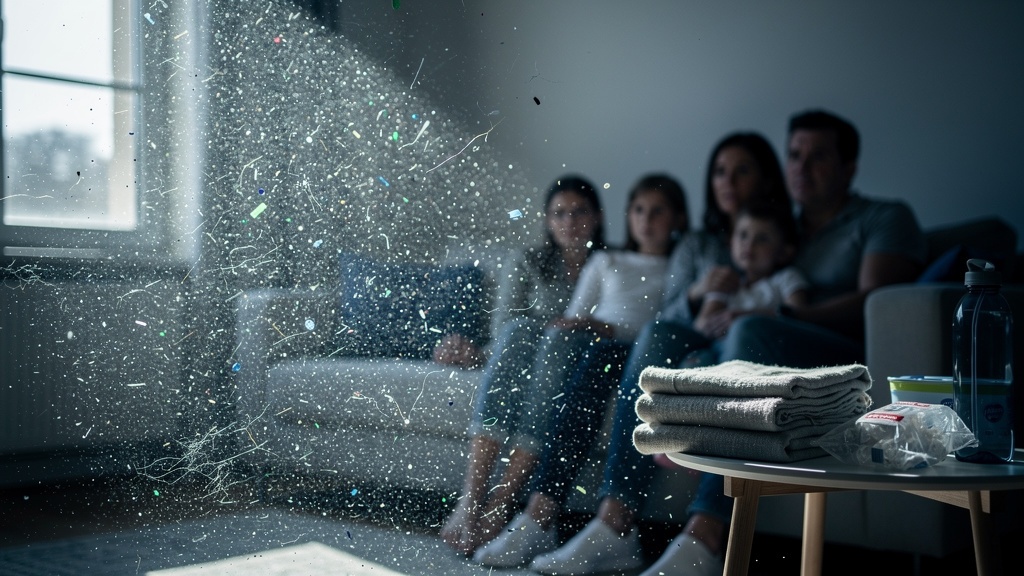
The findings suggest that the places we consider safest may actually expose us to tiny plastic particles every day, especially since most people spend nearly 90 percent of their time indoors.
The Reality of Indoor Pollution
When people think of air pollution, they usually imagine traffic fumes or industrial smoke. However, this report shows that indoor air can sometimes be even more polluted than outdoor air.
The main sources are everyday household items such as synthetic carpets, polyester clothing, upholstered furniture, and even certain paints. These materials constantly release tiny plastic fibers into the air.
Because these particles are extremely small, they can pass through the body’s natural defenses and settle deep in the lungs, where they may remain for long periods.
Read more on: Horology Meets Horsepower: Why Genesis Just Won Big for Its “Magma” UI
Health Concerns to Watch
According to the report, these particles are not harmless. Once inhaled, they can trigger ongoing inflammation in the lungs, which may increase the risk of conditions like asthma and even more serious illnesses over time.
Another concern is that microplastics often carry chemicals such as phthalates and flame retardants. When inhaled, these substances can enter the body and potentially affect overall health.
Children are especially vulnerable, as they breathe faster and spend more time close to the floor where dust tends to gather.
Practical Ways to Reduce Exposure
The American Lung Association is encouraging people to make simple changes to reduce exposure at home.
One key step is choosing natural materials. Fabrics like cotton, wool, linen, and hemp release fewer harmful particles compared to synthetic options.
Improving airflow is also important. Opening windows regularly helps bring in fresh air, while air purifiers with HEPA filters can trap fine particles. Cleaning methods matter too, as using a damp cloth helps remove dust instead of spreading it around.
Read more on: Is the Milk Carton Becoming Obsolete? How 3D-Printed “Milk Slices” Are Changing the Game
A Focus on Schools
Alongside the report, the organization is also promoting cleaner air in schools. By improving ventilation systems and reducing the use of plastic based materials, schools can create healthier environments for students.
This report highlights an important shift in how we think about health and wellness. It is no longer just about what we eat or drink, but also about the air we breathe every day.
Simple changes at home, such as better ventilation and more natural materials, can go a long way in creating a healthier living space.
Read more on: