
The modern smartphone is often hailed as one of humanity’s greatest inventions, a pocket-sized marvel that combines communication, entertainment, and access to infinite knowledge in a single device. For many of us, it is an indispensable companion. We wake to its alarm, navigate the day with its maps, work through apps and messages, and fall asleep to its glowing screen. It has become both a utility and a comfort, seamlessly integrated into nearly every aspect of modern life. Yet, as we move deeper into 2026, researchers and medical experts are raising an urgent warning: while smartphones make our lives easier, they may also be silently compromising our health in ways we are only beginning to understand.
Recent global statistics underscore the growing scale of this problem. In early 2026, medical surveys reported an increase of nearly 88 million cases of smartphone-related insomnia worldwide. Meanwhile, conditions such as “text neck,” once considered a minor inconvenience, are now being described as structural epidemics affecting posture, spinal health, and long-term mobility. These findings suggest that while our devices enrich our lives, they may also be undermining our bodies and minds in subtle but serious ways.
The 60-Pound Strain: Understanding Text Neck
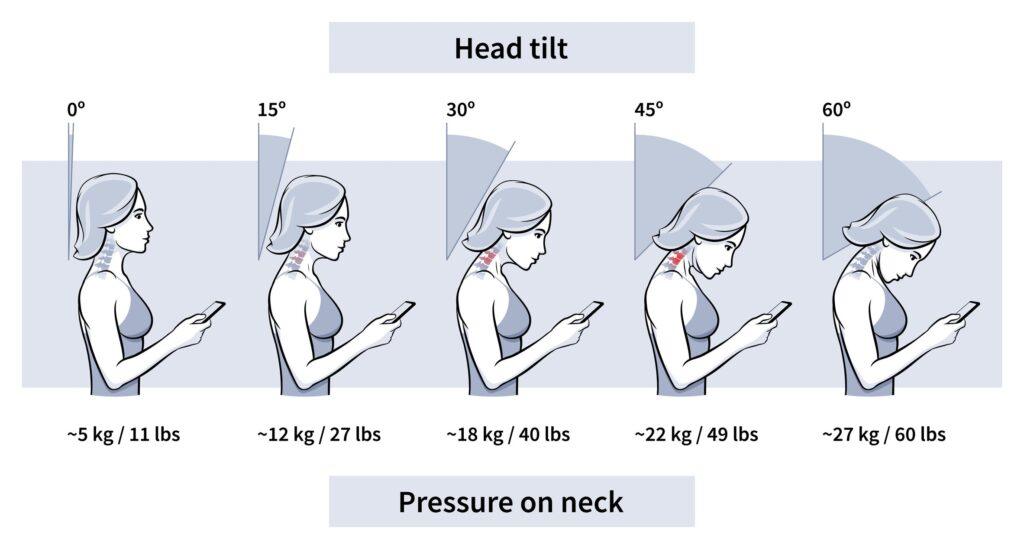
When standing upright, the average human head weighs between 10 and 12 pounds. This weight is well-supported by the spine in a neutral position. However, the moment we tilt our heads forward to scroll through social media feeds or respond to messages, the physics change dramatically. At a forward tilt of just 15 degrees, the strain on the cervical spine increases. Tilt to 60 degrees, which is common during extended smartphone use, and the weight on the neck can skyrocket to approximately 60 pounds—equivalent to carrying an eight-year-old child on your shoulders.
The consequences of this are far from trivial. “Text neck” can result in early-onset spinal degeneration, chronic nerve pain, and permanent postural changes that may even reduce lung capacity over time. The muscles, ligaments, and vertebrae are subjected to unnatural forces for hours each day, leading to lasting damage that becomes more severe with age.
Read more on: From From Fame to Faith: Nigerian Celebrities Who Found Purpose in Ministry
Blue Light and Sleep Disruption: The Melatonin Suppression
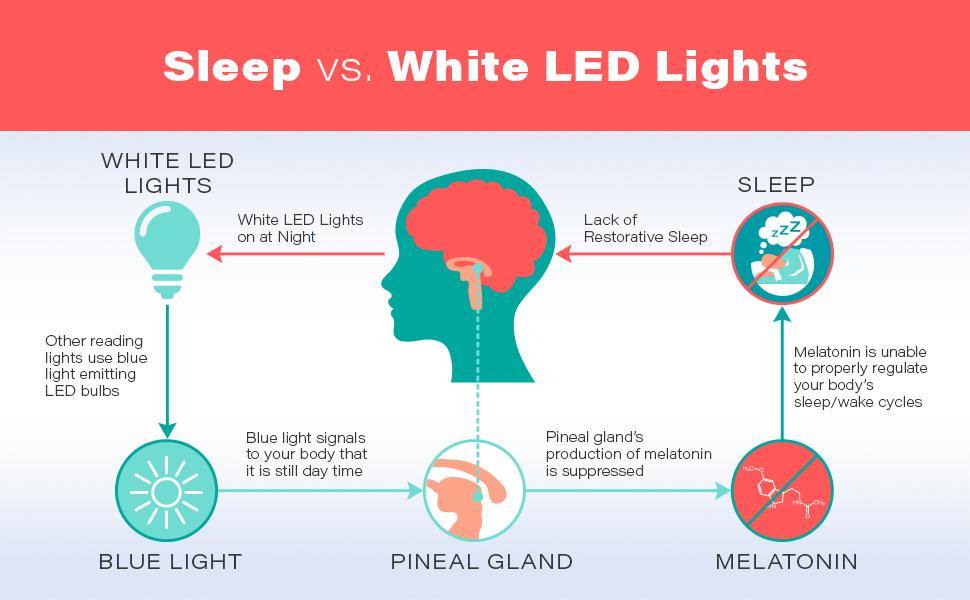
Our phones emit blue light, a short-wavelength spectrum that mimics daylight. While this can be useful in helping us stay alert during the day, exposure late in the evening is particularly harmful. Studies from 2026 indicate that using a phone within 30 minutes of bedtime can suppress melatonin production for up to two hours. Melatonin is the hormone responsible for regulating sleep-wake cycles, and its disruption interferes with deep REM sleep, which is critical for cognitive restoration and metabolic function.
Chronic sleep deprivation, increasingly linked to smartphone overuse, has wide-ranging health implications. Individuals who fail to get restorative sleep are at heightened risk for cardiovascular disease, obesity, and weakened immune function. Furthermore, inadequate REM sleep prevents the brain from clearing metabolic waste, potentially accelerating neurodegenerative diseases like Alzheimer’s over the long term.
The Dopamine Loop: Neural Fatigue and Cognitive Decline

Smartphones are carefully designed to exploit the brain’s reward system. Notifications, likes, and messages follow a “variable reward” schedule, similar to slot machines. Every ping or vibration releases a small dose of dopamine, creating a cycle of anticipation and gratification.
Recent studies from Semmelweis University in 2026 show that heavy smartphone users score significantly lower in attention span and memory retention tests. Continuous exposure to this dopamine-driven feedback loop leads to cognitive thinning—a reduction in the brain’s ability to sustain deep, analytical thought. The very tools we rely on for efficiency may inadvertently be impairing our capacity for focused, critical thinking.
Phantom Vibrations and Hyper-Vigilance
A phenomenon known as “Phantom Vibration Syndrome” has emerged as a common side effect of constant smartphone engagement. Approximately 73% of adults report experiencing phantom vibrations—the false perception that their phone is buzzing or alerting them even when it is not.
This is more than a quirky side effect. Clinically, it reflects hyper-vigilance, as the brain rewires itself to maintain an “always-on” state of alertness. The nervous system remains in chronic tension, cortisol levels remain elevated, and the body never fully reaches a resting state. This persistent stress response can have profound implications for overall health, including increased risk for anxiety, cardiovascular strain, and impaired immune function.
Read more on: Victor Glover: First Black Astronaut Heads Toward the Moon on Artemis II
Digital Eye Strain: The 66% Blink Drop
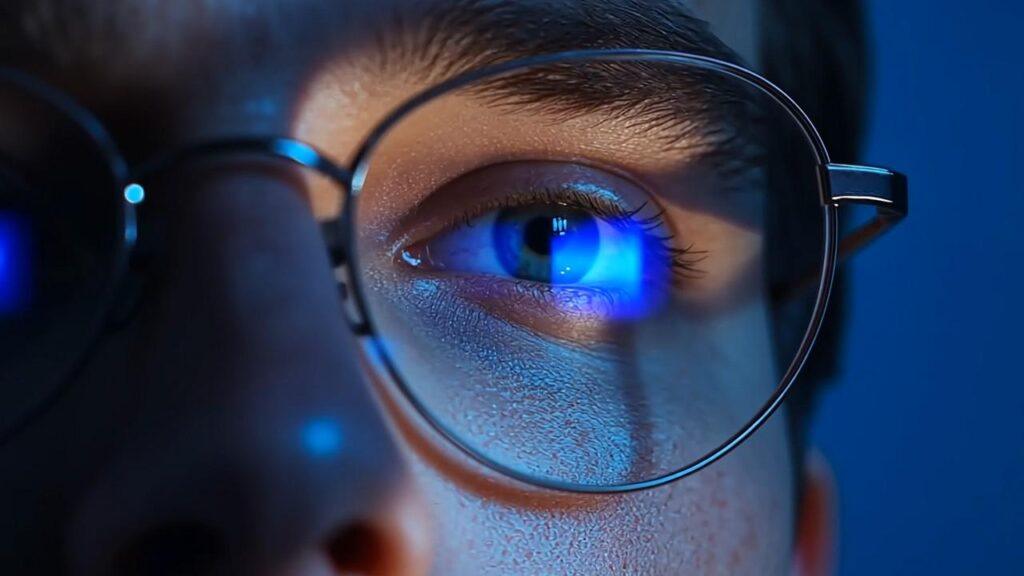
The average person blinks about 15–20 times per minute, a natural reflex that lubricates and protects the eyes. However, when staring at screens, the blink rate can drop by as much as 66%, leading to dry eyes, blurred vision, and what is often called Computer Vision Syndrome.
Digital eye strain is not simply an irritant. Prolonged focus on near-field devices forces the eye muscles to work continuously, resulting in headaches and migraines. The cumulative effect of overtaxed eye muscles radiates through the head and neck, contributing to chronic discomfort that can affect both productivity and quality of life.
Sedentary Behavior: The Metabolic Trap
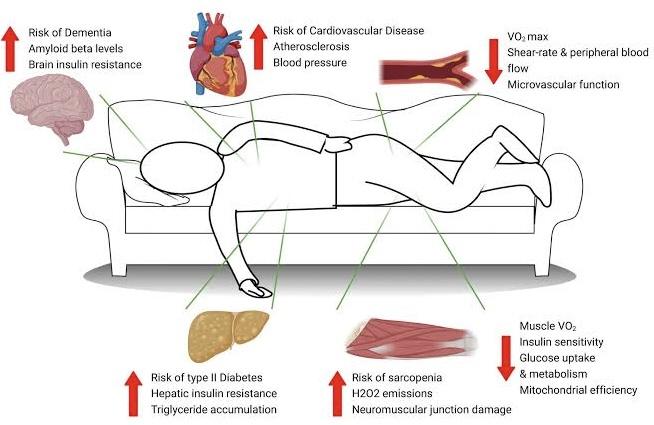
Smartphones are powerful time-thieves. A quick glance to check a notification can easily spiral into an hour of scrolling through social media feeds. The result is a sedentary lifestyle that directly affects metabolism.
Extended periods of inactivity are associated with increased body mass index and contribute to Metabolic Syndrome, which encompasses obesity, high blood pressure, and elevated blood sugar. Over time, this increases the risk of type 2 diabetes, cardiovascular disease, and other chronic health conditions.
Repetitive Stress Injuries: Texting Thumb and Carpal Tunnel Syndrome

The small, repetitive movements required to swipe, type, and scroll are unnatural for the joints and tendons of the hands. Conditions such as De Quervain’s Tenosynovitis, commonly known as texting thumb, and Carpal Tunnel Syndrome are on the rise.
These repetitive stress injuries cause chronic inflammation in the tendons and ligaments of the wrist and thumb. Without intervention, they can lead to permanent loss of grip strength and manual dexterity, sometimes requiring surgery in adulthood.
Read more on: Basketmouth Ex-Wife Elsie Okpocha Responds to Viral Claims About Her Children’s Paternity
The Social Comparison Trap: Anxiety and Depression
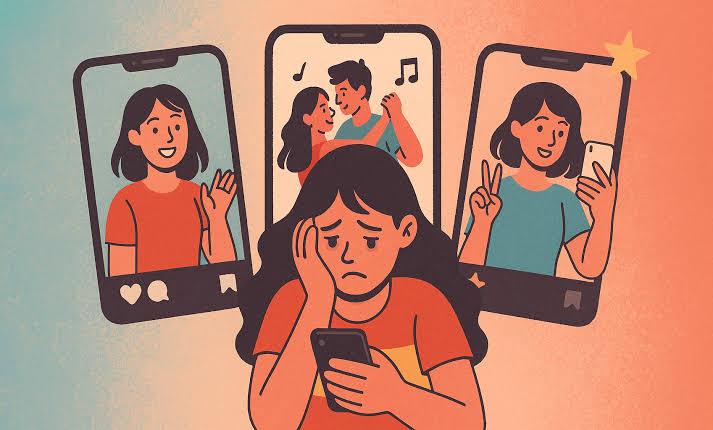
Social media platforms often present curated highlight reels of other people’s lives. According to surveys conducted in 2026, 78% of university students report feeling emotionally dependent on their devices while simultaneously feeling isolated and inadequate because of them.
The psychological impact is significant. Heavy social media users are nearly three times more likely to experience depression, heightened anxiety, and persistent feelings of inadequacy. The constant comparison to idealized realities fosters chronic stress, erodes self-esteem, and can contribute to long-term mental health crises.
Distracted Living: Safety Hazards

The risks of smartphone overuse are not limited to long-term health. Immediate dangers are also prevalent. Reports from 2026 indicate that roughly 26% of car accidents are linked directly to mobile phone use. Beyond driving, distracted walking has resulted in a noticeable increase in pedestrian injuries.
The illusion of safety while engaged with a smartphone can be deadly. Divided attention compromises reaction time, awareness of surroundings, and judgment, placing both the user and others at risk.
Bacterial Hotspots: Phones as Germ Reservoirs
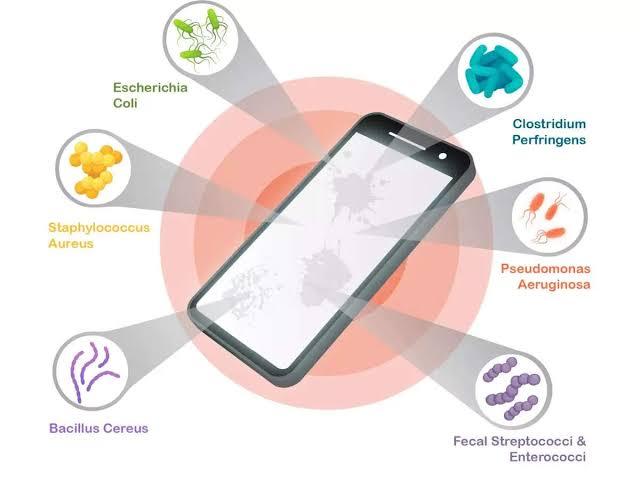
Few of us think to clean our smartphones regularly, despite carrying them almost everywhere, including bathrooms. Studies reveal that smartphones often harbor more bacteria than a toilet seat. While most are harmless, some can carry E. coli, MRSA, and influenza pathogens.
Frequent contact with contaminated surfaces followed by touching the face or food provides a direct route for infection. Chronic exposure can lead to recurring illness and long-term immune system stress.
Reclaiming Your Health: Practical Strategies
It is not necessary to abandon your smartphone completely, but setting clear boundaries is essential for protecting your health. Experts recommend several strategies to reduce the harmful impact of smartphone overuse:
- The 20-20-20 Rule: Every 20 minutes, look 20 feet away for 20 seconds to relax eye muscles.
- Eye-Level Only: Keep your phone at eye level when using it to reduce strain on your neck.
- The Digital Sunset: Power down screens 60–90 minutes before bedtime to restore natural melatonin production.
- No-Phone Zones: Make spaces like the dining table and bedroom free of devices to encourage real-world engagement.
Smartphones are tools, not masters. By setting boundaries and using them mindfully, it is possible to enjoy their benefits without succumbing to the hidden health risks they carry. Awareness, moderation, and deliberate habits can transform the smartphone from a silent threat into a manageable, valuable part of daily life.
Read more on: