Nigeria’s political landscape is undergoing a profound transformation as the African Democratic Congress, ADC, finds itself at the center of a growing internal crisis. Over the past week, the party has been enveloped in intense leadership disputes, high-profile legal battles, and mounting public scrutiny, raising questions about its ability to serve as a credible opposition force in the run-up to the 2027 general elections. At the same time, the People’s Redemption Party, PRP, has taken bold steps to position itself as a potential rallying point for the opposition by reaching out to some of Nigeria’s most prominent political figures, including Atiku Abubakar, Peter Obi, and Rabiu Kwankwaso.
The invitation from the PRP comes at a time when the ADC is facing unprecedented internal strife. Former Senate President David Mark has emerged as a controversial figure within the party, taking a defiant stance not only against the ruling All Progressives Congress, APC, and President Bola Tinubu but also against other factions within his own party. Mark’s legitimacy as a leader is being questioned by his colleagues, leaving the ADC divided and vulnerable at a critical moment in Nigerian politics.
PRP’s Strategic Move to Unite the Opposition
On Thursday, April 2, 2026, the Lagos State Chairman of the PRP, Mr. James Adeshina, publicly invited the leaders of Nigeria’s main opposition movements to consider a merger under the PRP banner. Adeshina described the party as the only stable and credible alternative capable of challenging the APC in the 2027 elections. He emphasized that the current turmoil within the ADC and ongoing disputes within other opposition platforms make it increasingly difficult to mount a coordinated effort against the ruling party.
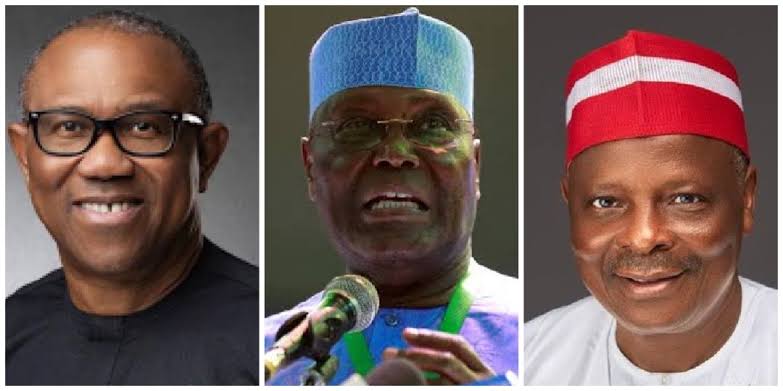
The PRP’s appeal specifically targets Atiku Abubakar of the People’s Democratic Party, PDP; Peter Obi of the Labour Party; and Rabiu Kwankwaso of the New Nigeria Peoples Party, NNPP. Adeshina urged them to prioritize national interest over personal ambition by consolidating their political forces under one banner. According to him, a united opposition is the only way to prevent Nigeria from sliding into a one-party dominance scenario.
Adeshina highlighted that while the ADC was once considered a viable third force capable of influencing the 2027 elections, the party’s current internal divisions have rendered it ineffective. He noted that opposition fragmentation weakens the collective ability to challenge the APC and called on all stakeholders to seek a platform free from internal conflicts.
Read more on: Enugu Nursing Student Suspended After Viral Video Exposes Hospital Crisis
The ADC Crisis: Competing Factions and Leadership Disputes
The African Democratic Congress is currently divided into competing factions, each claiming legitimacy. This crisis escalated following a Court of Appeal judgment on March 12, which prompted the Independent National Electoral Commission, INEC, to derecognize the two main factions until a definitive legal ruling could be obtained.
One faction is led by former Senate President David Mark. This group claims it is actively repositioning the party to play a leading role in the 2027 elections. Mark has positioned himself as a strategic and experienced leader capable of challenging the ruling party and uniting the opposition.
The opposing faction is headed by Nafiu Bala Gombe, who disputes Mark’s claim to leadership and maintains its own administrative structure. This faction argues that the ADC should remain independent of external influences and that internal reforms are needed before the party can serve as a credible national alternative.
Adding complexity to the situation is Honorable Leke Abejide, a prominent ADC figure, who has publicly distanced himself and other party leaders from David Mark. Abejide contends that Mark is not a formal member of the ADC and that his involvement represents an external imposition rather than an internal consensus. The resulting fragmentation has left the party in a state of uncertainty, with no clear path forward.
INEC’s Role and Legal Uncertainty
INEC has maintained a cautious approach in the face of the ADC crisis. Commissioner for Information and Voter Education Mohammed Haruna stated that the commission would not engage with either the Mark or the Gombe factions until the Federal High Court issues a definitive ruling. This stance effectively leaves the ADC in political limbo, preventing either faction from exercising full authority and complicating efforts to present a unified platform for the 2027 elections.
Read more on: ADC Demands INEC Chairman’s Sack, Warns of ‘One-Party Blueprint’ Ahead of 2027 Elections
David Mark’s Challenge to the APC
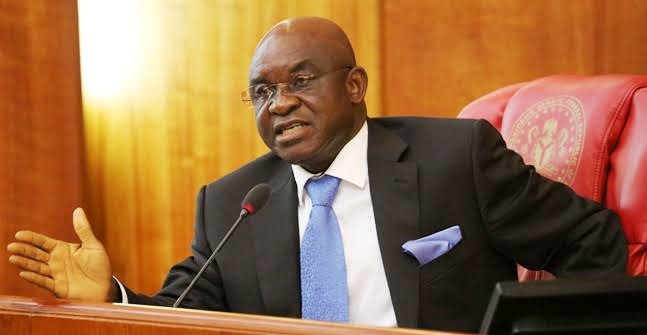
Despite the internal conflicts within the ADC, David Mark has remained outspoken on national issues, particularly criticizing the APC-led administration. In a widely circulated address, he issued a pointed challenge to President Bola Tinubu and the APC, questioning the government’s intentions regarding electoral independence and the economic challenges confronting ordinary Nigerians.
Mark warned that if the ruling party attempts to exploit the opposition’s fragmentation to secure an easy victory in 2027, they would encounter a calculated and strategic countermeasure. He emphasized his commitment to remaining politically active and influencing national discourse, regardless of the official party banner he may ultimately represent.
Aisha Yesufu and the Opposition’s Struggle
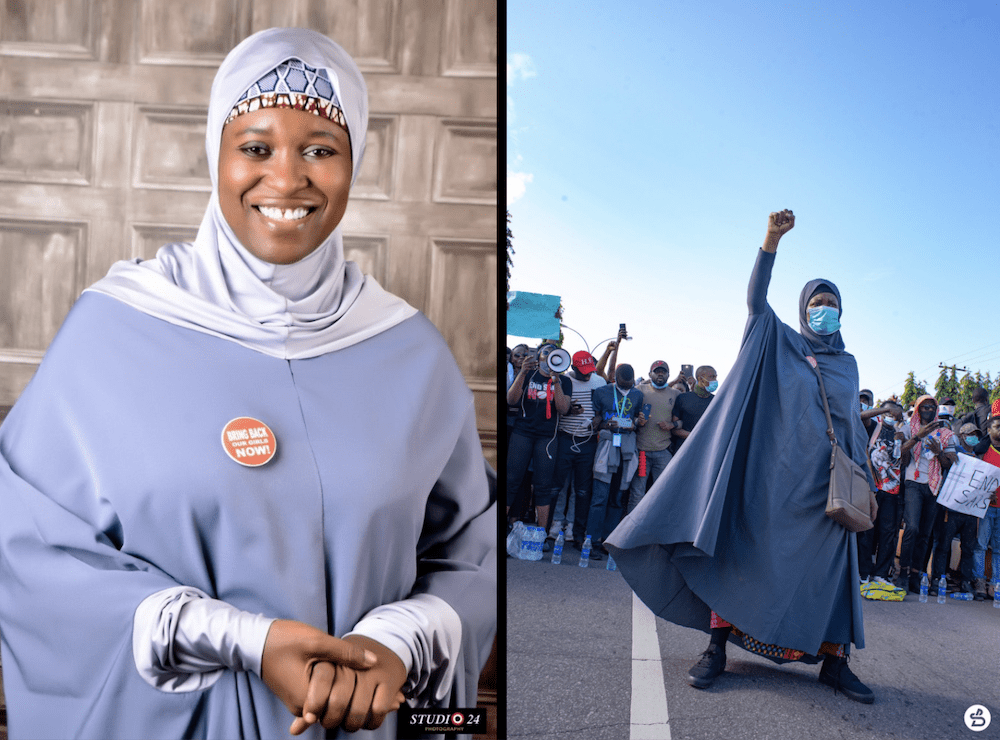
Activist and ADC member Aisha Yesufu has also played a prominent role in the unfolding political drama. In a recent press conference that went viral on social media, she criticized INEC for allegedly acting to destabilize the ADC in favor of the ruling APC. Yesufu argued that the commission appears to be undermining opposition efforts because of fear over the growing popularity of third-force parties. She described the 2027 elections as a battle for the nation’s soul and called on Nigerians to remain engaged and hopeful despite the current setbacks facing opposition parties.
Read more on: Nation on Edge: Tinubu Redirects Visit to Plateau as UNIJOS Orders Urgent Student Evacuation
The Road Ahead for the 2027 Elections
The ongoing fragmentation of opposition parties presents a complex set of challenges and opportunities. While a divided opposition may make it easier for the APC to maintain power, it has also forced political leaders to reconsider strategies for creating a viable alternative.
Key questions remain. Will the so-called “Big Three” of Nigerian opposition politics—Atiku Abubakar, Peter Obi, and Rabiu Kwankwaso—respond to the PRP’s overtures? Recent sightings of Obi and Kwankwaso in Kano have fueled speculation about a possible merger or political realignment. The decision of these leaders could dramatically reshape the landscape of the 2027 elections and determine whether a credible third-force option emerges.
Meanwhile, the Federal High Court’s pending ruling on the ADC’s leadership will be decisive. Its verdict will clarify which faction, if any, has legitimate control of the party and will set the stage for subsequent political maneuvering. Until that judgment is delivered, Nigerians are left in a state of anticipation, watching closely as political elites navigate a high-stakes game of strategy, negotiation, and survival.
Conclusion
The current political scene in Nigeria is characterized by uncertainty and intense maneuvering as the 2027 general elections approach. The ADC’s internal turmoil, combined with the PRP’s ambitious outreach to major opposition leaders, underscores the high stakes of the upcoming electoral contest. David Mark’s defiance, Aisha Yesufu’s activism, and the competing factions within the ADC reflect the deep complexities facing opposition parties.
As political leaders consider mergers, alliances, and strategic positioning, ordinary Nigerians remain observers, hoping for a political arrangement that can effectively challenge the ruling APC. The months ahead promise to be pivotal in shaping the direction of Nigerian politics, with the potential emergence of a united opposition front that could redefine the dynamics of the 2027 elections.
For now, the country remains in a tense period of anticipation, awaiting both court decisions and strategic decisions by opposition leaders that will determine whether Nigeria’s next election will be competitive and inclusive or dominated by a fragmented opposition unable to mount a coherent challenge.
Read more on:
- Iran Issues Stark Warning to U.S. Tech Firms as Conflict Enters Dangerous New Phase
- Governor Sanwo-Olu Launches 2026 Budget of Shared Prosperity, Focuses on Growth and Infrastructure
- El-Rufai in Fresh Legal Developments as Courts Adjourn Bail, Allow Suit Withdrawal
- By-Elections Loom as Senate Declares Three Vacancies