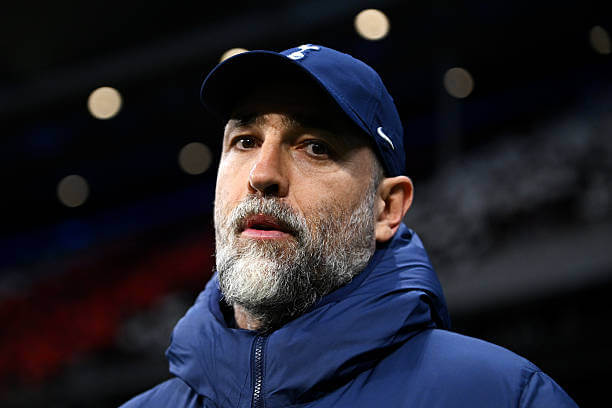
The appointment of Igor Tudor was supposed to rescue Tottenham Hotspur’s troubled season. When the Croatian stepped in to replace Thomas Frank until the end of the 2025–26 campaign, many outsiders dismissed fans’ fears of relegation.
Just a month and four games later, however, those fears are beginning to look justified. Unless Spurs take drastic action soon, the possibility of losing their place in the Premier League is becoming increasingly real.
When announcing Tudor’s arrival, Tottenham released a statement outlining his mission: to improve performances, deliver results, and push the team up the league table by bringing organisation, intensity, and competitiveness. So far, none of those objectives have materialised. In fact, the Croatian’s brief spell in charge has arguably made matters worse.
No manager in Tottenham’s history had ever lost their first four matches in charge before Tudor. While he inherited a struggling team, his job was to stabilise the club. Instead, his appointment has quickly turned into a costly misstep, and many observers believe the club waited too long to act.
Waiting Too Long to Move On from Frank
Tottenham supporters have often felt ignored throughout this turbulent season. Early concerns about Thomas Frank were brushed aside, partly because the Danish coach had built a strong reputation during his seven-year tenure at Brentford.
His first few weeks at Spurs appeared promising, especially after respectable performances against Paris Saint‑Germain and Manchester City. But as the season progressed through August, September, and October, Tottenham struggled to produce even a half of convincing football.
Frustration grew among supporters when the team collapsed against rivals Chelsea and Arsenal in November. While fans understood that rebuilding after finishing 17th the previous season would take time, many felt the club was heading in the wrong direction.
Some believe the former chairman, Daniel Levy, would likely have dismissed Frank much earlier, possibly after defeats to Fulham and Nottingham Forest.
A Questionable Replacement
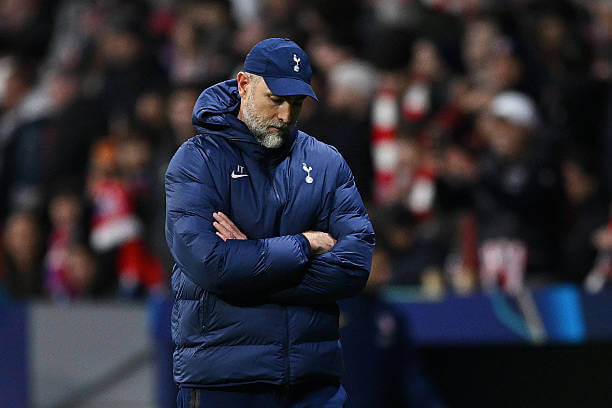
The idea of appointing Tudor reportedly came from Fabio Paratici, who briefly returned to Spurs as co-sporting director during the winter transfer window. Yet his recommendation raised eyebrows.
Tudor’s managerial style resembles that of his former colleague Antonio Conte — a rigid back-three formation and a tough approach to discipline. The difference, however, is that Conte’s methods were backed by far greater success.
By the time Tudor arrived in North London, he had already gone several matches without a win during his final weeks at Juventus. That poor run has now stretched to 12 games without victory.
Instead of delivering the typical “new manager bounce,” Spurs’ performances have deteriorated further, particularly in attack. A team once known for its aggressive forward play now looks short of ideas in the final third.
A Situation That Demands Immediate Results
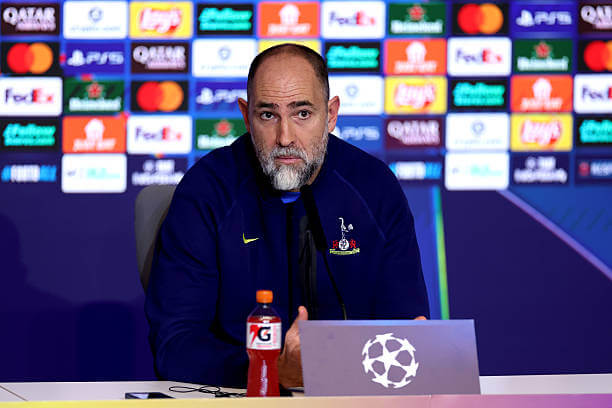
Tudor himself acknowledged upon arrival that he was stepping into an “emergency situation.” Yet recent comments suggesting he needs more time to change old habits have raised concerns.
That message rang hollow after Spurs were thrashed 5–2 by Atlético Madrid, falling four goals behind within the opening 22 minutes. It was a humiliating defeat that highlighted the scale of the crisis.
Losing the Dressing Room
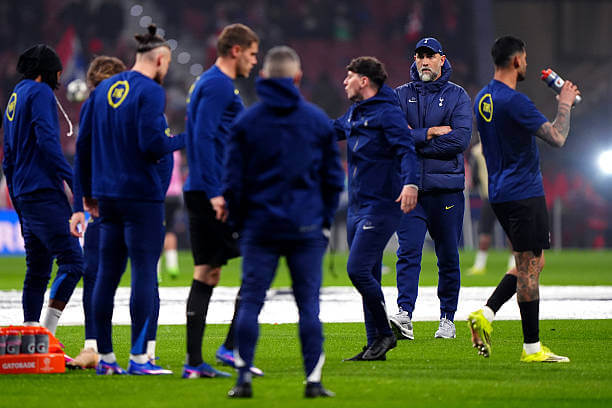
The defeat in Madrid also exposed deeper problems within the squad. Goalkeeper issues added to the chaos, as Guglielmo Vicario was left out of the starting lineup in favour of Antonín Kinský.
Kinský’s disastrous start — which contributed to two early goals — saw him substituted after just 17 minutes. Reports later suggested the decision caused further tension in the dressing room.
According to reports from the The Daily Telegraph, several players have already lost confidence in Tudor’s leadership.
If that assessment is accurate, the manager’s position may be beyond repair.
Boardroom Problems
Even if Tudor departs soon, the deeper issues at Tottenham extend far beyond the dugout. Responsibility for the club’s decline largely rests with those making decisions behind the scenes.
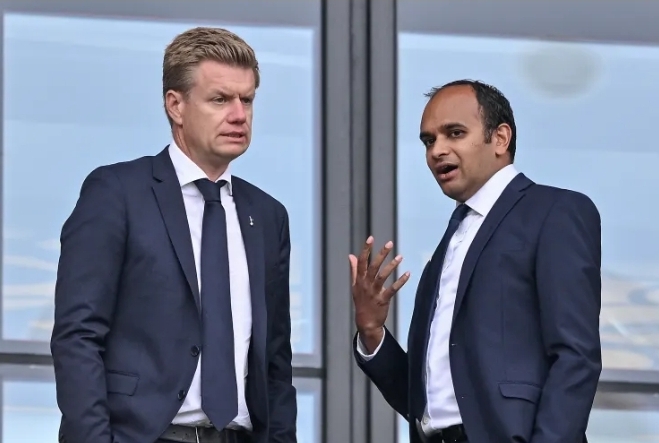
New executives such as Vinai Venkatesham and Johan Lange have been criticised for moving too slowly during a crisis that requires decisive leadership.
The club’s January transfer window strategy — which produced only a handful of additions including Conor Gallagher — has also been questioned by supporters.
A Fight for Survival
Tottenham now face a daunting schedule. A trip to Liverpool at Anfield is unlikely to offer relief, given Spurs’ poor record at the stadium.
Attention is already shifting toward a crucial clash with Nottingham Forest, a match that could have huge implications in the relegation battle.
The danger is clear. Relegation is no longer a distant threat but a real possibility. Unless Tottenham’s leadership acts quickly, the consequences could define one of the darkest chapters in the club’s modern history.