The U.S. President Donald Trump has explained why an American military strike against extremist groups in Nigeria was delayed before it was eventually carried out. The operation, which took place in northwestern Nigeria, has drawn attention both locally and internationally because of its timing and public disclosure.
This article explains what happened, why the strike was delayed, and what it means for Nigeria’s security situation.
What Happened in Nigeria
On December 25, U.S. forces carried out an airstrike targeting Islamic State–linked militants operating in Sokoto State, in northwest Nigeria. The strike was aimed at camps used by the extremist group, which has been linked to attacks on civilians and security forces in the region.
The operation was confirmed by U.S. Africa Command and later acknowledged by Nigerian authorities. According to official statements, the strike was conducted with Nigeria’s cooperation as part of ongoing counter-terrorism efforts.
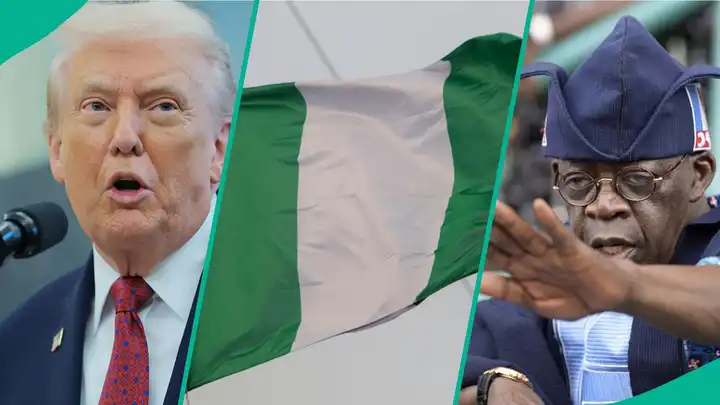
Why Trump Said the Strike Was Delayed
Trump stated that the military action was planned earlier but was deliberately postponed by one day. He explained that the delay was a personal decision and that the strike was carried out on Christmas Day instead.
According to Trump, the goal was to catch the militants off guard and deliver what he described as a decisive blow to their operations. He claimed the targeted camps were destroyed and that the group suffered heavy losses.
Read also: Airline Operators Lift Lifetime Ban on Comfort Emmanson After Minister’s Intervention
How the Strike Was Presented
Trump said the decision to approve the strike was driven by continued attacks on civilians, including religious communities. He framed the operation as a response to violence carried out by extremist groups in Nigeria.
His public comments about the strike came before detailed official briefings, which led to confusion and debate, especially within Nigeria.
Nigeria’s Government Response
The Nigerian government later confirmed that the strike was not carried out without its knowledge. Officials stated that the operation was part of a broader security partnership with the United States and involved intelligence sharing and coordination.
Authorities also emphasized that Nigeria remains responsible for its internal security and that foreign military support is used to strengthen ongoing counter-terrorism efforts.
Why the Strike Matters
The incident highlights several important issues:
Security cooperation
Nigeria continues to rely on international partnerships to tackle armed groups that operate across borders and difficult terrain.
Communication challenges
The way the strike was announced raised concerns about how sensitive security operations are communicated to the public and who controls the narrative.
Ongoing security threats
Despite the strike, extremist violence remains a serious problem in parts of northern Nigeria, showing that military action alone may not be enough.
Conclusion
Trump’s explanation of why the U.S. delayed its military strike in Nigeria has added a new layer to an already sensitive issue. While the operation targeted extremist groups, it also raised questions about timing, communication, and foreign involvement in Nigeria’s security affairs.
The situation underscores the complexity of counter-terrorism efforts and the need for clear coordination between governments, both on the ground and in public communication.