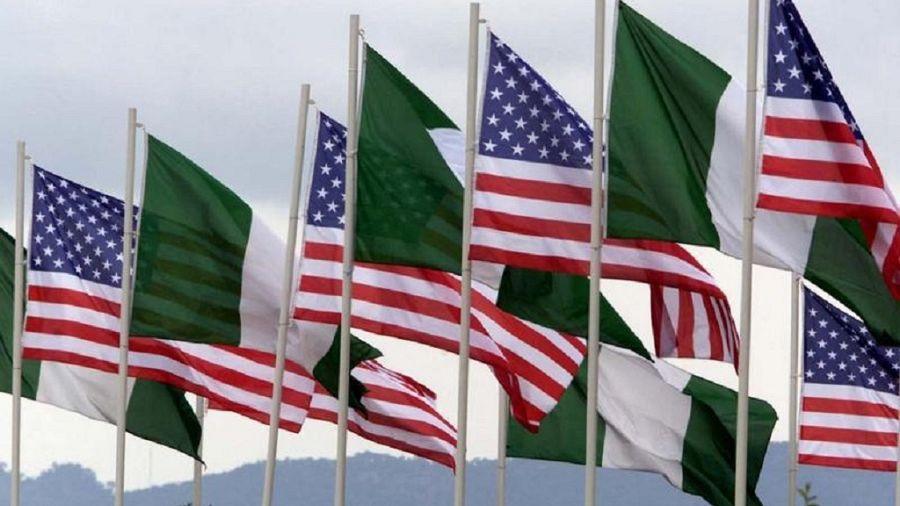
The United States government has issued a significant and far reaching security advisory concerning Nigeria, signaling rising concern over the country’s safety environment. On April 9, 2026, the U.S. Department of State announced the authorized departure of non essential personnel and their families from the U.S. Embassy in Abuja. This step, which is rarely taken unless there are serious risks involved, reflects growing unease about the security situation in and around the Federal Capital Territory as well as across several parts of the country.
At the same time, the State Department has expanded its travel advisory, placing a large number of Nigerian states under its most severe warning category. While Nigeria as a whole remains under a Level 3 advisory, which urges travelers to reconsider visiting, many states have now been elevated to Level 4. This highest level of warning strongly advises against travel under any circumstances due to threats such as terrorism, kidnapping, and violent unrest.
This dual move has drawn attention from both diplomatic observers and the general public, as it represents one of the strongest signals in recent years regarding the perceived risks associated with travel and residence in Nigeria.
Read more on: Wike-Backed PDP Slams Makinde Over ADC Alliance Plans for 2027
Expansion of High Risk Areas Across the Country
One of the most striking elements of the new advisory is the expansion of the Level 4 category to include additional states. Five states have been newly added to the list, bringing the total number of areas designated as extremely dangerous to twenty three. These newly listed states include Plateau, Jigawa, Kwara, Niger, and Taraba.
The updated list now covers a wide geographic spread, encompassing parts of northern Nigeria as well as regions in the south and southeast. In the northern region, states such as Borno, Yobe, and parts of Adamawa remain under strict warning due to ongoing insurgency and terrorist activity. Other northern states including Bauchi, Gombe, Kaduna, Kano, Katsina, Sokoto, Zamfara, Kogi, Plateau, Jigawa, Kwara, Niger, and Taraba are also included, reflecting concerns about banditry, kidnapping, and communal violence.
In the southern and southeastern regions, states like Abia, Anambra, Bayelsa, Delta, Enugu, Imo, and Rivers have been listed due to issues related to armed criminal groups, violent protests, and general insecurity. Notably, the advisory makes a distinction for Rivers State, where Port Harcourt is excluded from the most severe classification, though caution is still strongly advised.
The broad scope of these warnings highlights the complexity of Nigeria’s security challenges, which vary from region to region but collectively contribute to an environment that the U.S. government considers high risk for its citizens.
Reasons Behind the Embassy Departure Decision
The decision to authorize the departure of embassy staff and their families is particularly significant. Such measures are typically implemented only when there is credible evidence of heightened threats that could endanger diplomatic personnel.
According to the State Department, the move is based on a noticeable decline in security conditions, especially in and around Abuja. While the Federal Capital Territory has often been viewed as relatively secure compared to other regions, recent developments appear to have altered that perception.
One of the primary concerns highlighted in the advisory is the increased targeting of foreign nationals. U.S. citizens, as well as individuals with dual nationality, are often perceived as wealthy and therefore attractive targets for kidnapping. This risk has been exacerbated by the growing sophistication of criminal networks operating in different parts of the country.
Another factor contributing to the decision is the reported collaboration between terrorist groups and local criminal gangs. This alliance has the potential to expand the reach and effectiveness of attacks, making it more difficult for security agencies to predict and prevent incidents. The blending of ideological extremism with organized crime creates a complex threat landscape that poses significant challenges for both local authorities and foreign governments.
The advisory also points to the vulnerability of public spaces. Locations such as markets, shopping centers, hotels, and places of worship are identified as potential targets for attacks. These are areas where large numbers of people gather, making them attractive for individuals or groups seeking to cause maximum disruption. The unpredictability of such attacks adds to the overall sense of insecurity.
Read more on: Trump Administration Petitioned by U.S. Lobbyists Over INEC’s ADC Decision
Growing Concerns in Plateau and Kano
Among the states receiving heightened attention are Plateau and Kano, both of which play important roles in Nigeria’s social and economic landscape. Their inclusion in the Level 4 category underscores the seriousness of the current situation.
Plateau State has experienced a resurgence of communal clashes, which have led to loss of life and displacement of communities. In addition to these conflicts, there has been an increase in incidents of roadside banditry, where travelers are ambushed and robbed or kidnapped. The advisory notes that security operations in the area can occur without warning, creating additional risks for civilians who may inadvertently find themselves caught in dangerous situations.
Kano State, on the other hand, is a major commercial hub in northern Nigeria. Its listing is linked to concerns about civil unrest as well as the risk of kidnapping. Given Kano’s importance as a center for trade and business, the travel warning could have wider implications for economic activity, particularly in terms of international engagement and investment.
The inclusion of these states reflects a broader pattern of instability that is not confined to traditionally volatile areas but is spreading into regions that are vital to the country’s economy and social fabric.
Guidance for U.S. Citizens in Nigeria
For American citizens who remain in Nigeria, the U.S. Mission has issued a set of precautionary measures aimed at reducing risk. These guidelines are intended to help individuals navigate the current security environment as safely as possible.
One of the key recommendations is to avoid large gatherings, including protests, political events, and crowded public spaces. Such locations can become flashpoints for violence or may be targeted by attackers.
Travel patterns are another area of concern. The advisory suggests that individuals should vary their routes and routines to make it more difficult for potential kidnappers to track their movements. This simple precaution can reduce the likelihood of being targeted by criminal groups that rely on surveillance and planning.
Healthcare access is also highlighted as a critical issue. The advisory notes that medical facilities in Nigeria may not meet the standards expected by U.S. citizens and that immediate payment is often required before treatment is provided. As a result, individuals are encouraged to be prepared for emergencies, both financially and logistically.
When using airports, travelers are advised to move quickly through public areas and remain vigilant for suspicious activity. Unattended items should be treated with caution, as they could pose a security risk.
These measures, while practical, also underscore the seriousness of the situation and the need for heightened awareness at all times.
Read more on: Atiku, Obi, Kwankwaso Lead Opposition Protest Claiming INEC Bias
Diplomatic and Economic Implications
The decision to allow embassy staff and their families to leave is likely to have broader implications beyond immediate security concerns. One potential consequence is a reduction in consular services, as fewer personnel will be available to handle routine matters. While emergency services will continue, the overall capacity of the embassy may be affected.
From an economic perspective, the expanded travel advisory could deter foreign investors and business travelers. The classification of a large number of states as unsafe for travel creates uncertainty and may discourage companies from exploring opportunities in those areas. This could have a ripple effect on sectors that rely on international partnerships and investment.
Diplomatically, such advisories can also influence perceptions of a country’s stability. While they are intended to protect citizens, they may be viewed by the host government as overly cautious or even damaging to the nation’s image. In the past, Nigerian authorities have responded to similar advisories by emphasizing their efforts to improve security and by cautioning against actions that could create unnecessary alarm.
As of now, there has been no official response from the Nigerian government regarding the latest update. However, it is likely that discussions will take place at both diplomatic and administrative levels to address the concerns raised.
Read more on: World Bank Stresses Policy Reforms as Essential for Smarter African Growth
A Critical Moment for Security Awareness
The latest advisory from the United States serves as a stark reminder of the challenges facing Nigeria in terms of security. While the country continues to make progress in many areas, the persistence of threats such as terrorism, kidnapping, and civil unrest remains a significant concern.
For residents and travelers alike, the situation calls for increased vigilance and a proactive approach to safety. Staying informed, following official guidance, and taking practical precautions can help reduce risks in an uncertain environment.
At the same time, the advisory highlights the importance of ongoing efforts to address the root causes of insecurity. Strengthening institutions, improving coordination among security agencies, and fostering community engagement are all essential steps toward creating a more stable and secure environment.
As developments continue to unfold, the focus will remain on how both local and international stakeholders respond to the evolving situation. For now, the message from the United States is clear. Caution is essential, and the safety of its citizens remains a top priority.
Read more on:
- UNIJOS Lecturers Begin Strike Action Over Delayed March Pay
- Trump Announces Two-Week Halt to Military Strikes on Iran
- Dangote Petroleum Sparks Fuel Surge: Petrol at ₦1,275, Diesel at ₦1,950
- Trump Warns of Civilizational Destruction as Iran Deadline Approaches
- Kebbi Assembly Speaker Muhammad Usman Zuru Dies in Cairo After Prolonged Illness