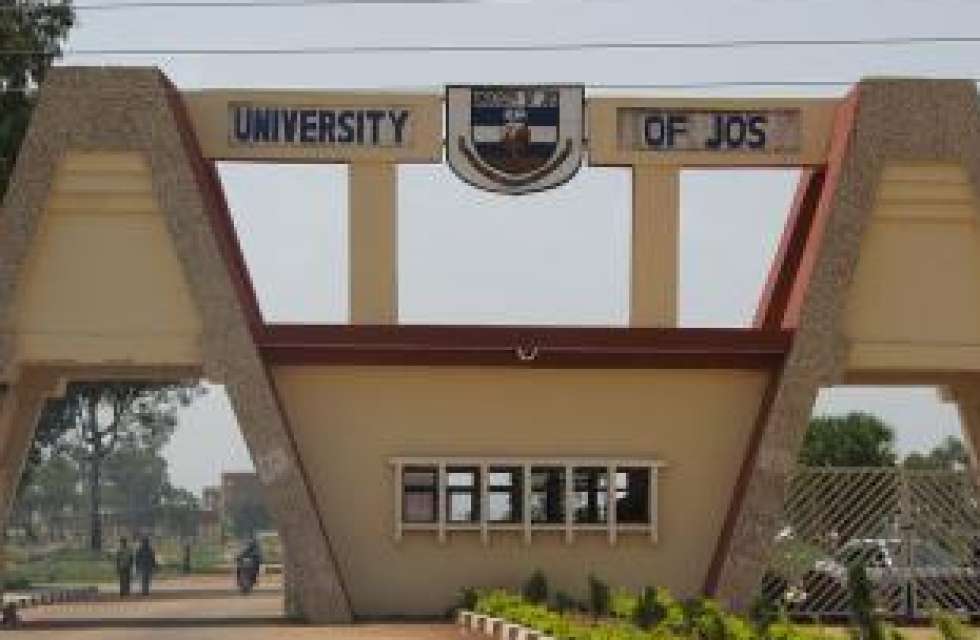
Academic life at the University of Jos has been brought to a sudden halt as lecturers under the Academic Staff Union of Universities have commenced an indefinite strike following the non-payment of their March 2026 salaries. The industrial action, which took effect on Wednesday, has disrupted lectures, examinations, and all academic engagements across the institution, leaving thousands of students uncertain about their immediate future.
The decision to withdraw services was reached after a congress meeting of the union’s UNIJOS branch, where members expressed deep frustration over what they described as persistent neglect of their welfare by the Federal Government. The lecturers stated that the failure to pay salaries on time is not only unacceptable but also a violation of agreements that are meant to safeguard the rights and livelihoods of academic staff.
A Firm Stand by the Union
The leadership of ASUU at the University of Jos has made it clear that the strike will be total and indefinite until their demands are met. In a statement released shortly after the congress, the branch chairperson, Professor Jurbe Molwus, directed all lecturers to immediately stop all academic activities.
This directive affects every aspect of academic work within the university. Lecturers have been instructed to suspend teaching, halt examinations, and refrain from attending any official or statutory meetings, including departmental and faculty board sessions. The union emphasized that compliance is mandatory for all members, and a monitoring mechanism has been put in place to ensure full adherence.
The strike action is rooted in what the union describes as a standing policy. According to ASUU, if salaries are not paid by the third day of a new month, members are expected to withdraw their services. With March salaries still unpaid well into April, the union insists that it has simply acted in line with its established resolution.
In its statement, the union highlighted that lecturers had exercised patience despite the delay but could no longer continue working without pay. The leadership stressed that the action is not intended to punish students but to draw attention to a systemic issue that continues to undermine the education sector.
Read more on: Trump Announces Two-Week Halt to Military Strikes on Iran
Beyond Salaries: Broader Concerns
While the immediate trigger for the strike is the non-payment of March salaries, the grievances of the lecturers extend beyond that. The union has raised concerns about the continued exclusion of Earned Academic Allowances, which are meant to compensate lecturers for additional responsibilities and workload.
ASUU also pointed to the failure of the government to implement the reviewed salary structure for academic staff, which was scheduled to take effect in January 2026. According to the union, this delay reflects a lack of commitment to agreements reached with academic unions and contributes to declining morale among university staff.
The lecturers argue that these unresolved issues are part of a larger pattern of neglect that has plagued Nigeria’s public university system for years. They warn that without urgent intervention, the situation could deteriorate further, leading to more frequent disruptions in academic activities.
Dispute Over Responsibility

In addressing the cause of the salary delay, the union has shifted focus away from the university management and placed responsibility squarely on the Office of the Accountant General of the Federation. According to ASUU leaders, the University of Jos has fulfilled its obligations by processing and submitting the payroll through the appropriate channels.
The union claims that the delay is occurring at the federal level, where the funds have yet to be released for disbursement to lecturers. This bottleneck, they argue, highlights inefficiencies within the system and raises questions about the government’s commitment to funding education.
ASUU has accused federal authorities of testing the patience of academic staff and creating unnecessary tension within the university system. The union insists that timely payment of salaries is a basic obligation that should not require repeated agitation.
Immediate Impact on Students
The strike has had an immediate and far-reaching impact on students at the University of Jos. Many departments were in the middle of lectures, continuous assessments, or preparations for examinations when the announcement was made. With academic activities now suspended, students have been left in a state of confusion.
Hostels remain occupied, but uncertainty hangs over whether students should remain on campus or return home. For many, the sudden disruption has raised concerns about delayed graduation, extended academic calendars, and the financial implications of prolonged stays in school.
Students who rely on structured academic schedules are particularly affected, as the indefinite nature of the strike means there is no clear timeline for a return to normalcy. Some have expressed frustration, while others have called on the government to act swiftly to resolve the crisis.
Read more on: Dangote Petroleum Sparks Fuel Surge: Petrol at ₦1,275, Diesel at ₦1,950
A Broader Trend Across Universities
The situation at UNIJOS is not occurring in isolation. Reports suggest that other universities are closely monitoring developments, with some already taking similar steps. Institutions such as Abubakar Tafawa Balewa University and Ahmadu Bello University have reportedly adopted or are considering the same no pay no work stance.
This growing trend raises concerns about a potential nationwide disruption in the university system if the issues are not addressed promptly. Academic unions across the country have long expressed dissatisfaction with salary delays, funding challenges, and unfulfilled agreements.
Observers warn that if the federal government does not intervene quickly, the strike at UNIJOS could trigger a ripple effect, leading to wider industrial action across multiple institutions.
Budgetary Challenges and Delays
Sources within government circles have linked the salary delays and the failure to implement the new pay structure to challenges surrounding the 2026 national budget. Delays in budget approval and execution have reportedly affected the release of funds to various sectors, including education.
While these explanations provide some context, the union maintains that they do not justify the continued hardship faced by lecturers. ASUU argues that education should be treated as a priority and insulated from bureaucratic delays that disrupt academic activities.
The union has called for more efficient financial management systems that ensure timely payment of salaries and proper implementation of agreed policies.
Read more on: Trump Warns of Civilizational Destruction as Iran Deadline Approaches
What Lies Ahead
With the strike now in effect, attention has turned to what steps will be taken to resolve the situation. The union has outlined clear conditions that must be met before lecturers can return to their duties.
First, the immediate payment of all outstanding March 2026 salaries is non-negotiable. Lecturers insist that they cannot continue to work without receiving their due wages.
Second, the government must provide a clear plan for integrating Earned Academic Allowances into the regular payment structure. This issue has been a longstanding point of contention and remains unresolved.
Third, ASUU is demanding the full implementation of the renegotiated 2026 salary scale for academic staff. The union views this as a critical step toward improving the welfare of lecturers and restoring confidence in the system.
Until these demands are addressed, the strike will continue indefinitely. The union has activated its internal monitoring mechanisms to ensure that all members comply fully with the directive.
Silence from Authorities
As of the time of reporting, there has been no official response from the Federal Ministry of Education or the Office of the Accountant General regarding the specific situation at the University of Jos. This silence has added to the uncertainty and frustration surrounding the crisis.
Stakeholders, including students, parents, and education advocates, are calling on the government to engage with the union and find a swift resolution. Many believe that prolonged inaction could deepen the crisis and further damage the already fragile state of Nigeria’s public university system.
Read more on: Kebbi Assembly Speaker Muhammad Usman Zuru Dies in Cairo After Prolonged Illness
A Critical Moment for Higher Education
The strike at UNIJOS serves as yet another reminder of the challenges facing higher education in Nigeria. Issues such as funding gaps, delayed salaries, and unimplemented agreements continue to hinder the progress of universities and disrupt the academic journey of students.
For now, the campus in Jos remains quiet, with lecture halls empty and academic activities suspended. The coming days will be crucial in determining whether dialogue and compromise can bring an end to the standoff or whether the situation will escalate further.
What is clear is that the stakes are high, not just for the lecturers and students of the University of Jos, but for the broader future of education in the country.
Read more on:
- FG Sets Aside ₦135 Billion for 2027 Election Legal Disputes
- ADC Faces Existential Crisis as INEC Issues 72-Hour Ultimatum
- Bloodshed on Easter Sunday as Gunmen Strike Kaduna Community
- Man Arrested for Burning His Father Alive in Kazaure
- Minister of State for Labour Onyejeocha Nkeiruka Exits Tinubu Cabinet
- INEC’s Voter Revalidation Plan Sparks Nationwide Political Tension