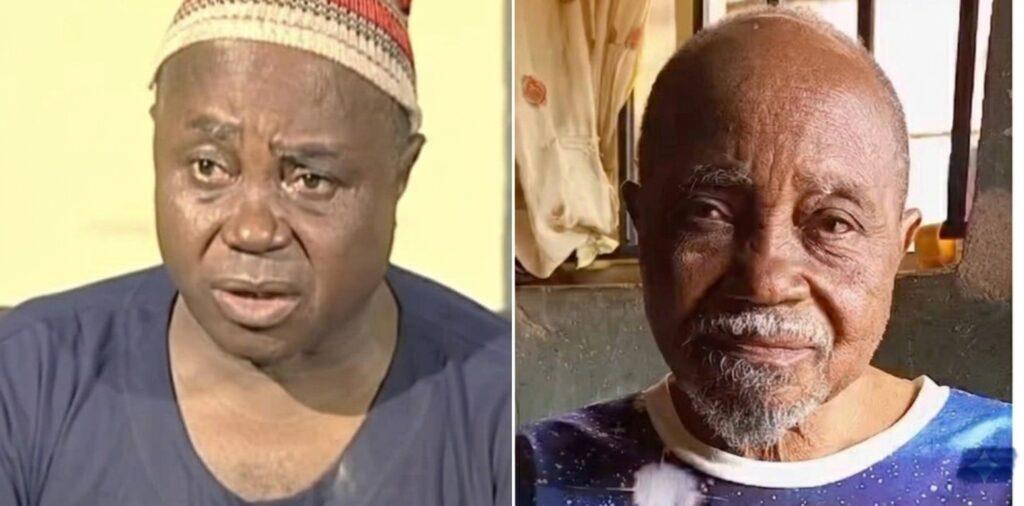
Veteran Nigerian actor Roy De Nani has shared a deeply emotional account of personal tragedy and professional neglect, revealing painful experiences that have sparked widespread conversations across Nollywood. In a recent appearance on the Where Is The Lie podcast, the respected actor reflected on the loss of two of his children, his financial struggles during their illness, and what he describes as a disappointing lack of support from colleagues in the film industry during his darkest moments.
De Nani, known for his memorable roles in films such as Midnight Love, Onye Eze, and Prince of Fire, spoke with visible emotion as he recounted how both his son and daughter died as a result of complications from sickle cell disease. According to him, the situation became especially heartbreaking because both children required urgent blood transfusions to survive, but he was unable to afford the medical treatment at the time.
He explained that despite efforts to seek help, financial constraints made it impossible to access the care they needed. The lack of funds, he said, ultimately led to the loss of both children, a tragedy that still weighs heavily on him years later. In addition to this double loss, De Nani also revealed that he lost a brother from the same father during a similar period, further deepening the grief his family endured.
Read more on: BBNaija Season 11 Sparks Excitement as Organizers Tease Return and Upcoming Auditions
Speaking candidly, he described the experience in painful terms, saying the inability to afford treatment was the difference between life and death for his children. His words reflected a father still struggling to come to terms with what happened, long after the events took place.
Beyond the personal tragedy, De Nani’s comments about the reaction, or lack of reaction, from the film industry have generated significant discussion. He expressed disappointing that, despite being a long standing member of Nollywood, he did not receive visits or support from fellow actors and actresses during the period of mourning.
According to him, no colleagues showed up at the funerals or reached out in any meaningful way. While he did not accuse anyone of deliberate cruelty, he suggested that many within the industry appeared emotionally distant from his situation. He used the phrase that they had “not been touched” by his ordeal, a statement that has since circulated widely online and triggered debates about empathy and solidarity within Nollywood.
De Nani also made reference to what he described as a difficult phase in his career, alleging that he was at one point unofficially sidelined from acting opportunities. He claimed that certain producers were instructed not to cast him, even in situations where he had already begun participating in projects. Although he did not provide detailed evidence, his remarks have added another layer to ongoing conversations about fairness and treatment of actors within the industry.
Read more on: Portable Criticizes Davido Online for Parting with Carter Efe After Their Boxing Clash
His story has quickly resonated with many Nigerians, especially as it comes at a time when several veteran entertainers have publicly spoken about financial hardship and neglect after years of contributing to the growth of Nollywood. The discussion has once again highlighted concerns about how aging actors are supported once their peak years in the industry are over.
In recent months, similar accounts have emerged from other well known figures. Actor Abiodun Ayoyinka, popularly known as Papa Ajasco, recently disclosed that despite decades in the entertainment industry, he does not own a house or car, a revelation that shocked many fans.

Another veteran actor, Olusegun Akinremi, widely known as Chief Kanran, shared his own struggles after losing his home and studio to fire, forcing him to temporarily take shelter in a church due to financial constraints.
Actress Halima Abubakar also made headlines earlier in the year after appealing for financial assistance to undergo brain tumor surgery, a situation that further emphasized the fragile financial realities faced by some entertainers in the industry. Together, these stories have intensified calls for stronger welfare systems within Nollywood.
Roy De Nani’s testimony has now added fresh urgency to these conversations. Industry observers and fans alike are increasingly calling for reforms that would provide better long term protection for actors, especially those who have spent decades contributing to film and television. Suggestions have included structured royalty payments, health insurance schemes, pension plans, and emergency support funds for practitioners facing crises.
Read more on: “I Never Received My N50 Million”: Carter Efe Sparks Boxing Prize Controversy After Portable Win
Despite the pain reflected in his account, De Nani made it clear that his passion for acting has not faded. He emphasized that he continues to write scripts and remains open to returning to the screen if given the opportunity. According to him, his intention is not to seek sympathy or financial assistance, but rather to highlight his experiences and possibly find a path back into meaningful creative work.
He expressed a desire to rebuild his life and career, stating that he still believes in the craft that defined much of his life. While his experiences have been difficult, he maintained that his love for storytelling remains strong, and that he would welcome any opportunity to contribute to the industry again.
As reactions continue to pour in across social media and entertainment circles, Roy De Nani’s story has become part of a broader national conversation about the welfare of creative professionals in Nigeria. It raises difficult questions about support systems, industry responsibility, and how those who helped build Nollywood are treated when they are no longer in the spotlight.
For many, his account is not just a personal story of loss, but a reflection of systemic challenges that still exist within the industry.
Read more on:
- “If My Husband Decides to Cheat, That’s His Choice” — Priscilla Ojo
- Asake Becomes First African Artist with Five #1 Albums on UK Streaming Chart
- Carter Efe knocks Down “Boxing King” Portable in Explosive Lagos Fight Night
- Nollywood Veteran Actress and Filmmaker Oby Kechere Dies After Prolonged illness
- Lateef Adedimeji and Mo’ Bimpe Welcome Triplet Sons