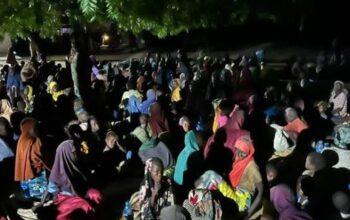
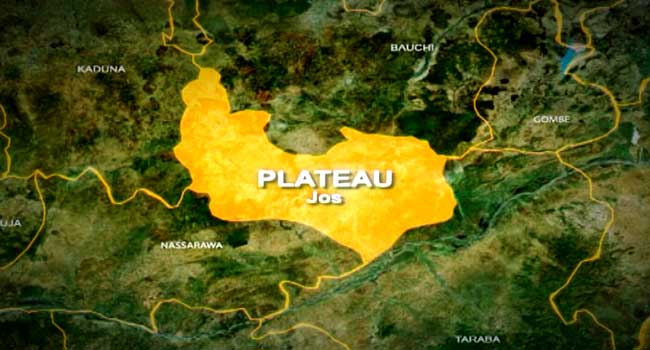
Plateau State has once again been thrown into mourning following a devastating midnight attack that left at least 14 people dead in Ngbra Zongo community, located in the Kwall District of Bassa Local Government Area. The assault, carried out by unidentified gunmen in the early hours of Friday, has deepened fears over the worsening insecurity in the North Central region of Nigeria, where rural communities continue to face repeated waves of deadly violence.
Among those killed in the attack were three pregnant women, a detail that has further intensified public outrage and grief. Survivors and community leaders describe the incident as one of the most horrifying episodes of violence in recent times, not only because of the death toll but also due to the manner in which the killings were carried out. The attack has left families shattered, homes destroyed, and an already vulnerable community struggling to comprehend how such brutality could unfold in the middle of the night without intervention.
According to eyewitness accounts gathered from survivors, the attack began shortly after midnight when residents of Ngbra Zongo were asleep. The village, like many rural settlements in the area, had little or no early warning of danger. Residents said the gunmen arrived in large numbers and moved swiftly into the community, firing sporadically to create panic and confusion. The sound of gunfire reportedly woke residents, but by then, escape routes were already being blocked by the attackers.
What followed, according to those who managed to survive, was a coordinated and systematic operation that targeted homes one after another. Witnesses explained that the gunmen did not simply open fire indiscriminately but moved from house to house, forcing entry and attacking residents at close range. In the confusion and darkness, families were separated as people attempted to flee for safety. Some residents ran into nearby bushes, while others hid in fear as the attackers continued their movement through the village.
Read more on: US Navy Hits Iranian Missile Sites Following Attack on Ships
A survivor identified as Raphael Ebi recounted how he narrowly escaped death by hiding in thick vegetation near the outskirts of the community. He described the attack as methodical and terrifying, noting that the assailants appeared to know exactly where they were going. According to him, the attackers showed no hesitation as they advanced through the settlement, and the entire operation lasted long enough to cause maximum destruction before any form of security response could reach the area.
By the time the attackers eventually left the community, at least 14 people had been confirmed dead, while several others sustained injuries of varying severity. Some of the wounded were reportedly in critical condition and had to be moved urgently to nearby medical facilities for treatment. Local sources also indicated that the casualty figure could rise as search efforts continue in surrounding bushes and farmlands where fleeing residents may have been caught during the chaos.
The killing of pregnant women in the attack has particularly drawn widespread condemnation. Community members described it as a devastating blow that underscores the indiscriminate nature of the violence. Families of the victims have been left in deep mourning, with many residents struggling to come to terms with the scale of the tragedy. Traditional leaders in the area have expressed concern that repeated attacks on vulnerable rural communities are pushing residents into a constant state of fear and displacement.
The attack on Ngbra Zongo is the latest in a troubling series of violent incidents that have rocked Plateau State in recent weeks. The region has witnessed a pattern of nighttime raids and ambushes that have left dozens dead across multiple local government areas. In many of these cases, attackers have struck communities with little or no warning, often targeting sleeping residents and fleeing before security forces arrive.
Read more on: Oshiomhole Calls for Akpabio’s Resignation as Senate Rule Controversy Sparks Crisis
Just days before the latest incident, armed men reportedly surrounded Rim community in Riyom Local Government Area in a midnight attack that also left residents in fear, although the full extent of casualties in that incident remains unclear. Earlier in the same week, Fan community in Barkin Ladi Local Government Area witnessed the killing of five individuals who were ambushed while returning from work. In another tragic episode recorded in late April, a pastor, his wife, and their two children were killed in Angwan Rukuba in Jos North, an attack that shocked religious communities across the state. The violence dates back even further, with a particularly deadly incident in March during Palm Sunday activities in the same Angwan Rukuba area, where about 30 people, including a pregnant woman, were killed.
The recurrence of these attacks has raised serious concerns among residents and security analysts who fear that Plateau State is becoming trapped in a cycle of retaliatory violence and insecurity. Rural communities, especially those located in border areas between farming and herding settlements, have remained highly vulnerable to such assaults. Many of these communities are isolated, with limited access to security infrastructure, making response times slow and often ineffective when attacks occur.
In the aftermath of the latest killings, the Plateau State Police Command confirmed that security personnel had been deployed to the area. Police spokesperson SP Alabo Alfred stated that the situation had been brought under control and that efforts were ongoing to track down those responsible for the attack. However, the response has done little to ease the fears of residents who believe that preventive measures, rather than reactive deployments, are urgently needed to stop the cycle of violence.
Community leaders and civil society groups have continued to demand stronger action from both state and federal authorities. Danjuma Auta, Secretary General of the Community Development Association in the area, described the repeated attacks as deeply tragic and unacceptable. He called for immediate efforts to identify and arrest the perpetrators, stressing that rural communities should not be left defenseless in the face of recurring assaults. According to him, the continued loss of innocent lives reflects a failure in the protection of vulnerable populations.
Read more on: Six Killed in Suspected Bandit IED Explosion
Similarly, the Plateau Peace Advocates for Good Governance and Social Stability, known as PPAGGSS, issued a strong condemnation of the attack, describing it as barbaric and inhumane. The group urged security agencies to intensify intelligence operations and work closely with local communities to dismantle networks responsible for organizing such raids. They also encouraged residents to cooperate with the Department of State Services and other security agencies in providing useful information that could help prevent future attacks.
Beyond the immediate loss of lives, the attack has created a growing humanitarian crisis in the affected area. Hundreds of residents have reportedly fled Ngbra Zongo and surrounding communities, seeking refuge in neighboring villages and towns. Many displaced persons are now living without adequate shelter, food, or medical care, raising concerns among humanitarian organizations about the potential for a worsening crisis if support is not urgently provided.
Analysts observing the situation in Plateau State have pointed to deeper structural issues that continue to fuel insecurity in the region. Long-standing disputes over land ownership, grazing routes, and access to natural resources have created tensions between different communities for decades. These tensions are often worsened by cycles of reprisal attacks, where one violent incident triggers another in a continuing chain of retaliation.
Read more on: El-Rufai Case Adjourned as Court Sets June 1 for Pre-Trial Arguments
Despite several peacebuilding initiatives and intervention programs aimed at resolving these conflicts, the persistence of nighttime raids and mass killings suggests that significant gaps remain in intelligence gathering, early warning systems, and rural policing. Experts argue that without a comprehensive strategy that combines security enforcement with conflict resolution and community engagement, the cycle of violence may continue unchecked.
As Plateau State mourns yet another devastating loss, residents are left grappling with fear, uncertainty, and exhaustion. The attack on Ngbra Zongo has once again highlighted the urgent need for stronger protection of rural communities and more effective measures to prevent further bloodshed. For many families affected, the pain of losing loved ones in such a brutal manner has become a recurring reality they can no longer ignore, even as they continue to hope for lasting peace in the region.
Read more on:
- Nigeria and South Africa Hold Emergency Talks as Xenophobic Violence Sparks Diplomatic Crisis
- Former President Goodluck Jonathan Weighs Possible 2027 Presidential Bid
- Akpabio and Oshiomhole Clash in Senate Over Controversial New Leadership Rules
- Trump Warns of “Higher Level” Bombing on Iran if No Deal Is Reached