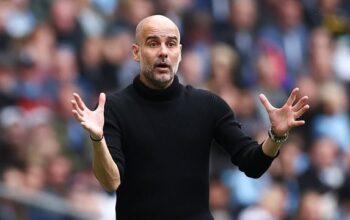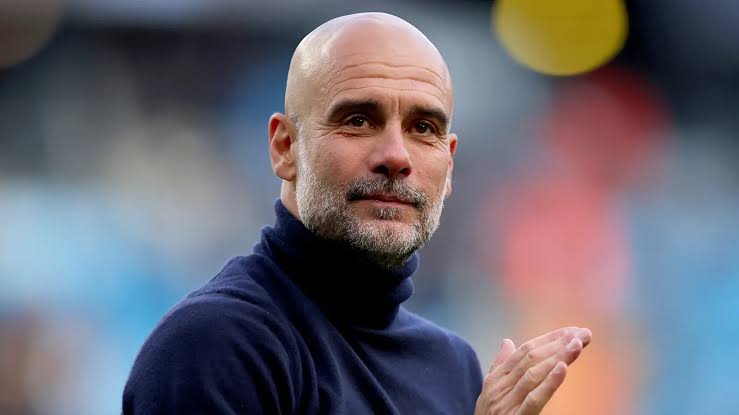
The football world has been left in shock after Manchester City manager Pep Guardiola confirmed that he will be stepping down from his role at the end of the 2025/26 season. The announcement marks the end of a historic chapter at the Etihad Stadium, closing what has been one of the most dominant managerial reigns in modern football history.
After ten remarkable years in charge, the 55 year old Catalan coach has decided to bring his time at Manchester City to a close. His decision reportedly comes slightly earlier than the end of his contract, as he chooses to walk away with one season remaining. For supporters, players, and rivals alike, the news signals the end of an era that transformed not only Manchester City but also the broader landscape of English football.
In a heartfelt farewell message released through the club, Guardiola expressed the emotional weight behind his decision. He insisted that there was no single dramatic reason behind his departure, but rather a deep internal feeling that the time had come to move on. He reflected on the temporary nature of everything in football and life, noting that while nothing lasts forever, the memories, relationships, and emotions created during his time at City will remain permanent. He spoke warmly about the club, the fans, and the journey they shared, describing his experience as something he will always carry with him.
A Decision Shaped by Fatigue and Changing Cycles
The timing of Guardiola’s announcement comes after a demanding period in the Premier League season. Manchester City recently endured a 1 to 1 draw against Bournemouth, a result that effectively handed the league title to Arsenal under Mikel Arteta. For the first time in his managerial career, Guardiola experienced two consecutive seasons without securing the Premier League crown, a rare occurrence in a career defined by dominance.
Reports suggest that the physical and emotional demands of maintaining such high standards played a significant role in his decision. Guardiola himself acknowledged the intensity of top level management, explaining that the daily pressure, expectations, and relentless pursuit of trophies require an energy he no longer feels able to sustain in the same way. He hinted that stepping away from coaching would allow him time to rest and recover from the constant demands of elite football management.
Even so, his final season will not be remembered as empty handed. Manchester City managed to secure a domestic cup double, lifting both the FA Cup and the Carabao Cup, adding further silverware to Guardiola’s already extraordinary legacy at the club.
Read more on: PSG Star Defender Hakimi Pushes For Rape Case Dismissed
A Decade of Unmatched Success
When Pep Guardiola arrived at Manchester City in 2016, questions were raised about whether his possession based tactical philosophy would succeed in the physically demanding environment of English football. Those doubts were quickly erased as he reshaped the Premier League with a level of consistency and dominance rarely seen before.
Over the course of ten seasons, Guardiola built a football dynasty. He guided Manchester City to 20 major trophies in total, including six Premier League titles, three FA Cups, five League Cups, and the long awaited UEFA Champions League triumph in 2023. That European success completed the one missing piece in the club’s ambitions and cemented his status as a club legend.
Among his most iconic achievements was the 2017 to 18 season, when City became the first team in English top flight history to reach 100 points in a single league campaign. That extraordinary side, often referred to as the Centurions, set a new benchmark for consistency and excellence.
Guardiola also achieved a historic run of four consecutive Premier League titles, becoming the first manager in English football history to accomplish such a feat. Across all competitions, he managed nearly 600 matches, with his final game against Aston Villa set to mark his 593rd appearance in charge of the club. His longevity and success make him the longest serving manager in Manchester City’s modern era.
Life After the Dugout
Although Guardiola is stepping away from day to day coaching responsibilities, he is not completely severing ties with Manchester City or the wider City Football Group. The club has confirmed that he will transition into a global ambassadorial role within the organization. In this position, he will contribute to strategic development, offer technical insights, and support the group’s network of clubs around the world.
In recognition of his extraordinary contribution, Manchester City also plans to honour him by naming a newly developed stand at the Etihad Stadium after him. This gesture reflects the deep respect and lasting legacy he leaves behind at the club.
Attention has also quickly turned to who might succeed him. Early speculation has linked several high profile names to the role, with Enzo Maresca, currently managing Chelsea and formerly part of Guardiola’s coaching tree, emerging as a leading candidate. Whoever takes over will inherit one of the most challenging jobs in world football, stepping into the shoes of a manager widely regarded as irreplaceable.
Read more on: Ronaldo Ends Trophy Drought as Al Nassr Secure Saudi Pro League Title with 4-1 Win Over Damac
A Legacy That Changed Football
Beyond trophies and records, Guardiola’s influence on football tactics has been profound. His approach, built on structured possession, positional play, inverted fullbacks, and intelligent pressing systems, has influenced coaches at every level of the game. From youth academies to elite clubs, his ideas have reshaped how modern football is played and understood.
Yet his departure also comes during a complicated moment for Manchester City as a club. The ongoing scrutiny surrounding alleged financial breaches remains unresolved, with the outcome of the independent commission still pending. Despite this backdrop, Guardiola has consistently defended his players and staff, praising their unity and commitment throughout periods of external pressure.
In his farewell reflections, he emphasized pride in how the team conducted itself, highlighting their resilience, achievements, and identity. He spoke of the journey they shared, describing it as something built on hard work, belief, and a shared philosophy.
A Personal Goodbye to Manchester
In a final emotional touch, Guardiola referenced Manchester’s cultural identity and its strong connection to music, poetry, and working class pride. He alluded to Tony Walsh’s famous poem This Is The Place, a tribute often associated with the city’s spirit. In his own words, he expressed affection for Manchester and its people, even playfully adapting the sentiment to reflect his personal bond with the club and the city.
He also shared a light hearted message directed at Manchester City supporter Noel Gallagher, reinforcing the sense of familiarity and warmth that has surrounded his relationship with the club’s fanbase over the years.
As his final match at the Etihad Stadium approaches against Aston Villa, emotions are expected to run high. Supporters will have the opportunity to witness the final chapter of a managerial journey that redefined success in English football.
Regardless of club loyalties, Guardiola’s departure represents more than just a managerial change. It marks the closing of one of the most influential eras in football history, a period defined by innovation, dominance, and a relentless pursuit of perfection.
Read more on:
- Enrique Sets 2030 Retirement Goal Amid PSG Contract Extension Talks
- Aston Villa Thrash Freiburg 3-0 to Seal Historic Europa League Triumph
- Arsenal, Manchester United, and Barcelona All Reject Move for Rafael Leao
- Arsenal Prepare Record-Breaking Deal to Make Arteta One of Football’s Highest-Paid Managers