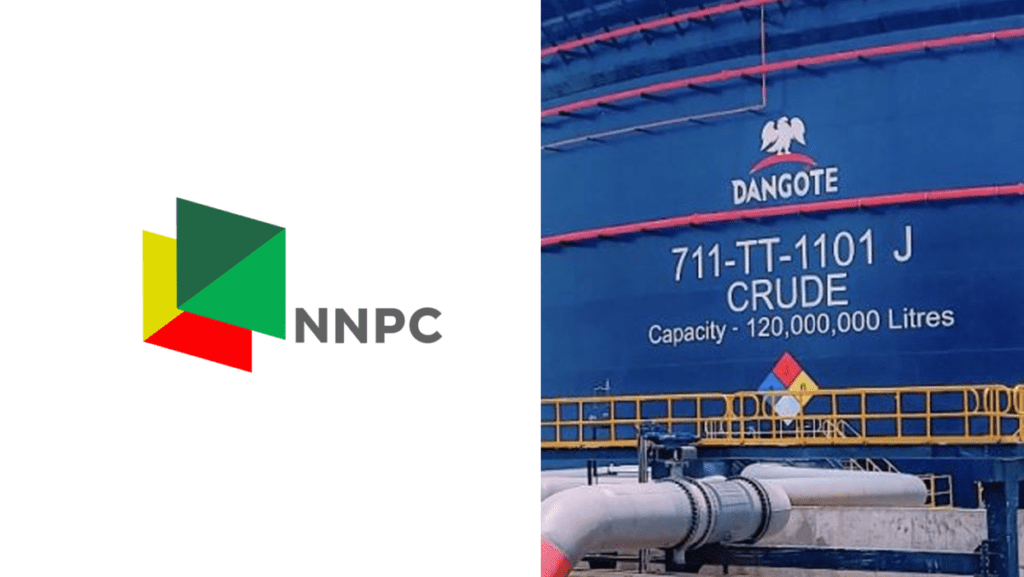
Nigeria’s oil and gas sector is currently at the center of a high profile legal dispute involving two of its most powerful players. The Nigerian National Petroleum Company Limited, known as NNPC, has filed a formal defense at the Federal High Court in Lagos, accusing the Dangote Petroleum Refinery of attempting to dominate the country’s fuel market and edge out competition.
This latest development marks a significant escalation in a dispute that has been building over time. It also comes at a critical moment for the Dangote Refinery, which is preparing for a highly anticipated public listing scheduled for September 2026. The refinery, valued between 40 billion and 50 billion dollars, now faces a period of uncertainty as regulatory and legal questions take center stage.
Background to the Dispute
The roots of the conflict can be traced to a lawsuit filed by the Dangote Refinery against the Attorney General of the Federation and the Nigerian Midstream and Downstream Petroleum Regulatory Authority, also known as NMDPRA. In that suit, Dangote challenged the continued issuance of fuel import licences to NNPC and other independent marketers.
The refinery argued that allowing ongoing importation of petroleum products goes against the provisions of the Petroleum Industry Act. According to its interpretation of the law, import licences should only be granted when there is a confirmed gap between domestic supply and national demand.
Dangote Refinery maintains that it has the capacity to meet Nigeria’s fuel needs. Supporting this claim, data from April 2026 indicates that the refinery supplied close to 80 percent of the country’s daily petrol consumption. Based on this, the company is seeking to have existing import licences revoked, effectively limiting the role of foreign fuel imports in the domestic market.
Read more on: Governor Fubara Pledges to Finish Rivers Projects Despite Political Uncertainty
NNPC Pushes Back
In its response to the court, NNPC strongly rejected Dangote’s position and raised concerns about the potential consequences of restricting fuel imports. The state owned company argued that granting one private refinery significant control over supply could create serious risks for the country.
NNPC warned that relying too heavily on a single supplier could leave Nigeria exposed to supply disruptions, especially if the refinery experiences technical issues or operational setbacks. It also pointed to the possibility of increased fuel prices due to reduced competition in the market.
Another key argument raised by NNPC is that Dangote has not provided sufficient independent evidence to prove that it can consistently supply the entire country without interruption. The company insisted that such claims must be backed by verifiable data before any major policy shift is considered.
On the legal front, NNPC maintained that the Petroleum Industry Act allows regulators to issue import licences under certain conditions. It emphasized that the NMDPRA has the authority to grant such licences to companies with refining capacity or established international trading experience, particularly under the government’s backward integration policy.
Industry Stakeholders Weigh In
The dispute has drawn reactions from several industry groups, many of which have expressed concerns about the potential impact of limiting fuel imports. These stakeholders argue that the downstream sector depends on a balance between local production and importation to remain stable.
The Independent Petroleum Marketers Association of Nigeria advised Dangote Refinery to focus on maintaining competitive pricing rather than pushing for restrictions on imports. According to the group, a competitive market benefits both consumers and businesses.
Similarly, the Petroleum Products Retail Outlets Owners Association warned that cancelling existing import licences could disrupt the supply chain and lead to price volatility. Such instability, they noted, would ultimately affect ordinary Nigerians who depend on affordable fuel for daily activities.
The NMDPRA has also taken steps to protect its regulatory role by seeking to join the court proceedings. The agency recently approved import licences for several companies to bring in large volumes of fuel, citing the need to address supply gaps and maintain market balance.
Read more on: Violence Erupts as ADC Primary Election in Benue Descends into Chaos
Questions Around Refinery Performance
While NNPC has raised concerns about a potential private monopoly, some analysts have pointed out challenges within the public sector itself. Over the years, significant public funds have been invested in rehabilitating state owned refineries in Port Harcourt and Warri.
Despite these investments, the facilities have struggled to maintain consistent production levels. This has left Nigeria dependent on a mix of imported fuel and output from the Dangote Refinery. Critics argue that this situation highlights deeper structural issues in the country’s energy sector.
The current dispute also reflects a broader tension between public and private sector roles in managing critical national resources. While private investment has brought new capacity and efficiency, questions remain about how to ensure fair competition and protect national interests.
A Dispute With History
This is not the first time the matter has reached the courts. In an earlier instance, Dangote Refinery filed a lawsuit seeking significant damages, but later withdrew the case following intervention from the federal government. The reemergence of the dispute suggests that earlier attempts at resolution did not fully address the underlying issues.
The renewed legal battle indicates that both sides are now prepared to pursue their positions more firmly. It also highlights the complexity of balancing regulatory authority, market competition, and national energy security.
Read more on: Hamzat Emerges Lagos APC Governorship Candidate After Massive Vote Count
What Lies Ahead
As the Federal High Court prepares to hear the case in the coming weeks, the outcome is expected to have far reaching implications. For consumers, the decision could influence fuel prices and availability across the country. For the Dangote Refinery, resolving the dispute is crucial as it seeks to attract investors ahead of its planned public listing.
The case also raises broader questions about the future of Nigeria’s energy market. Should the country prioritize self sufficiency through local refining, or maintain a mix of domestic production and imports to ensure stability?
Ultimately, the court’s ruling will help define the rules of engagement in the sector. It will determine how far private players can go in shaping the market and how regulators balance competition with national interest.
For now, the spotlight remains firmly on the courtroom, where the next chapter of this high stakes dispute will unfold.
Read more on: