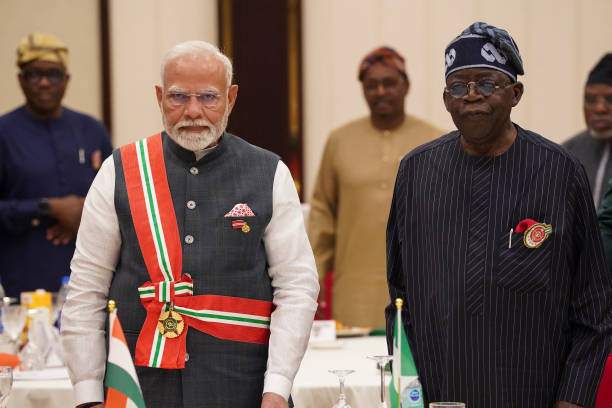
India and several other countries are reportedly reluctant to accept some ambassadors nominated by Bola Ahmed Tinubu, citing concerns about the limited time remaining in his current administration.
According to reports, a number of nations have indicated they may reject some of the ambassadorial nominees because of a diplomatic practice that discourages accepting envoys from governments with less than two years left in office.
Sources within the presidency say India has already expressed hesitation about approving Nigeria’s ambassador-designate to New Delhi, Muhammad Dahiru.
In international diplomacy, an ambassador cannot officially begin work until the host country grants formal approval, known as agrément.
A senior official from the Nigerian presidency explained the situation, saying: “They won’t accept an ambassador from an administration that has less than two years still in office.”
The official added that several countries have signaled they may decline some of the nominees. The issue, however, is not about the individuals themselves but rather the short period they may be able to serve. Many governments are reportedly reluctant to approve envoys who could soon be replaced if there is a change in administration.R
ecently, President Tinubu approved the appointment of 65 ambassadors and high commissioners to represent Nigeria in various countries and international organisations. The list includes a mix of experienced diplomats and prominent political figures who are expected to head Nigerian missions in key locations such as Germany, China, Mexico, and India, as well as at the United Nations.
However, the process of securing formal approval from host countries has been slow.
So far, only a few countries, including the United Kingdom and France, are reported to have granted agrément, leaving the fate of many other nominees uncertain.
In September 2023, the Nigerian government recalled its ambassadors from more than 100 foreign missions around the world. As a result, many diplomatic posts remained vacant for over two years before a new list of nominees was eventually submitted to the Nigerian Senate for confirmation.
Officials at Nigeria’s Ministry of Foreign Affairs (Nigeria) are now relying on the country’s existing diplomatic relationships in hopes that some nations may reconsider and make exceptions to their usual policies.
Nigeria’s next presidential election is scheduled for January 2027, just a few months before the end of President Tinubu’s current term in May 2027. Because of this timeline, some of the nominated ambassadors could end up serving for less than a year if their appointments are approved later than expected.