Lagos Youths Protest Blackouts as Tinubu’s 24-Hour Power Promise Remains Unfulfilled
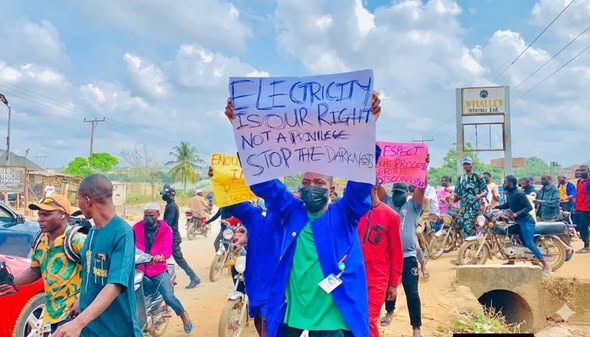
On March 12, youths in Lagos took to the streets to protest ongoing power outages, highlighting frustrations over the state’s worsening electricity situation. Residents and business owners say the unreliable supply has made daily life difficult, increased operating costs, and disrupted commercial activities.
Demonstrators chanted, “We are not asking for too much, give us light,” giving voice to months of growing discontent. Ikeja Electric acknowledged the disruptions in a March 11 notice, attributing the shortfalls to gas supply constraints affecting the national grid.
“The current situation is due to gas supply constraints affecting the national grid. This has resulted in a significant energy shortfall, necessitating increased load shedding across all our feeders,” the company said, noting that it is maintaining communication with stakeholders to restore normal generation.
The outages underscore structural issues in Nigeria’s electricity system, which relies heavily on gas-fired thermal plants. While installed generation capacity exceeds 13,000 megawatts, actual available power frequently falls between 3,000 and 5,000 megawatts due to gas shortages, transmission bottlenecks, and maintenance problems. Gas-fired plants generate over 70 percent of the country’s electricity, meaning any supply disruption has immediate nationwide effects.
A Campaign Promise Unkept
The protests also revived President Bola Tinubu’s pre-election pledge to Nigerians: “Whichever way, by all means necessary, you must have electricity, and you will not pay for estimated billing anymore. A promise made will be a promise kept. If I don’t keep the promise and I come back for second term, don’t vote for me.” For many, the president’s promise has become a recurring point of frustration amid daily blackouts.
Government Response
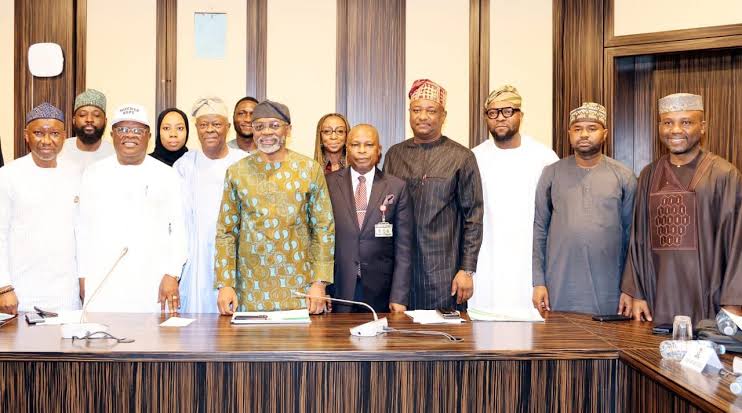
On March 6, Tinubu inaugurated an 11-member committee to oversee the creation of the Grid Asset Management Company Limited (GAMCO), aimed at addressing Nigeria’s persistent power sector challenges. The committee, chaired by the President’s Chief of Staff and including ministers across key sectors, is tasked with reviewing existing electricity laws and regulations and resolving conflicts that could hinder GAMCO’s success.
Whether this initiative will deliver tangible relief to Lagos residents remains uncertain, leaving citizens continuing to endure erratic power supply while hoping for a meaningful solution.