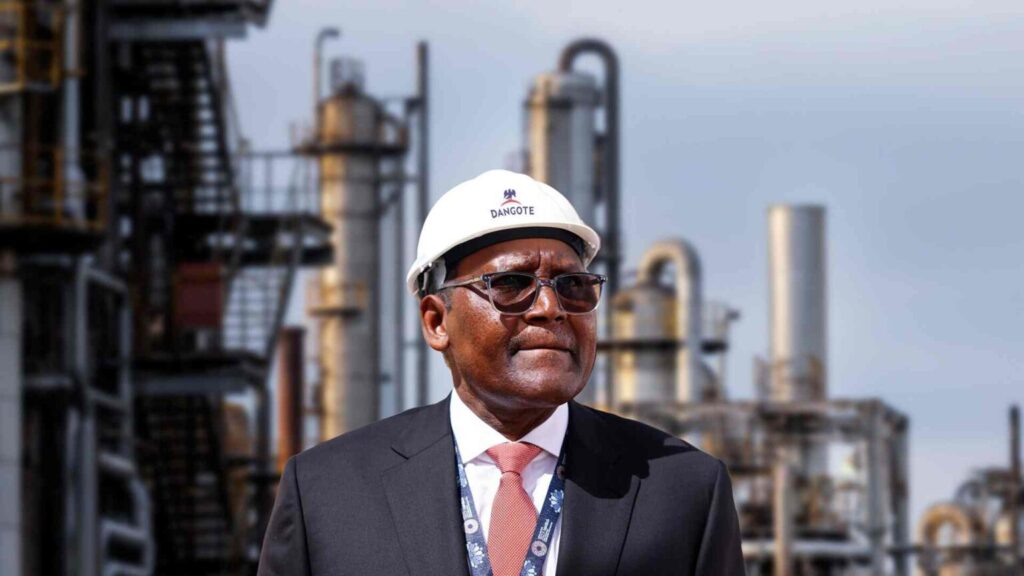
After previously lowering petrol prices to ₦1,075 per litre, Dangote Petroleum Refinery has introduced another price increase following the recent surge in global crude oil prices.
Reports indicate that on March 13, 2026, the refinery raised its gantry price of petrol by ₦100 per litre, bringing the price up to ₦1,175. The adjustment reflects the sharp rise in crude oil prices, which recently climbed from around $80 per barrel to above $100.
The increase comes amid growing volatility in the global oil market, partly driven by tensions linked to the US–Iran conflict. The situation has disrupted oil production and supply in parts of the Middle East, contributing to rising energy costs worldwide.
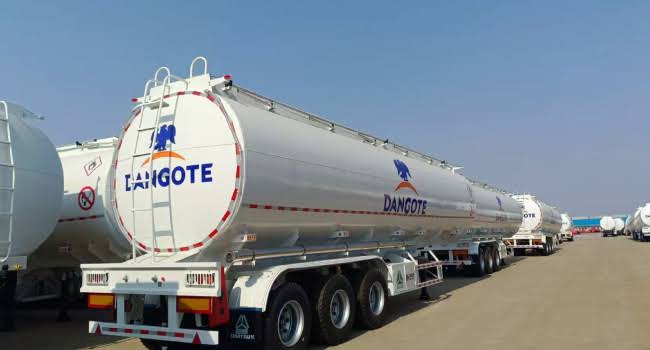
Earlier, the refinery had reduced petrol prices to ₦1,075 per litre and diesel to ₦1,430 per litre after a temporary drop in global crude prices, offering some relief to fuel marketers and consumers in Nigeria. However, the latest adjustment highlights how quickly fuel prices can change in response to global market conditions.
The fluctuations in oil prices are also affecting financial markets. On March 12, 2026, reports from the United States indicated that the country’s stock market lost more than $800 billion in value during the early hours of trading due to uncertainty linked to rising oil prices.
So far, Dangote Petroleum Refinery has continued to adjust its fuel prices in line with the cost of crude oil. With a refining capacity of about 600,000 barrels per day, the facility is the largest refinery in Africa and among the biggest in the world. It currently plays a major role in meeting Nigeria’s fuel demand, which is one reason the Nigerian Midstream and Downstream Petroleum Regulatory Authority has not issued new fuel import licences since 2025.

In an earlier statement addressing previous price changes, the refinery explained that rising global crude oil prices were responsible for the adjustment. With Nigerian National Petroleum Company Limited unable to fully meet the refinery’s crude supply needs, the facility imports a significant portion of its crude oil from the international market, where shortages have driven up costs.
The continued instability in fuel prices could have broader economic effects, including higher costs for goods and services. Since the earlier rise in petrol prices from about ₦774 to ₦874 per litre, many Nigerians have complained about increased transportation fares and rising living expenses.
There are also concerns that prices may remain high for some time. Tensions in the Middle East have intensified after Iran signalled its intention to restrict ship movement through the Strait of Hormuz, a major global route for transporting crude oil. Any disruption along this corridor could further tighten supply and push oil prices even higher.