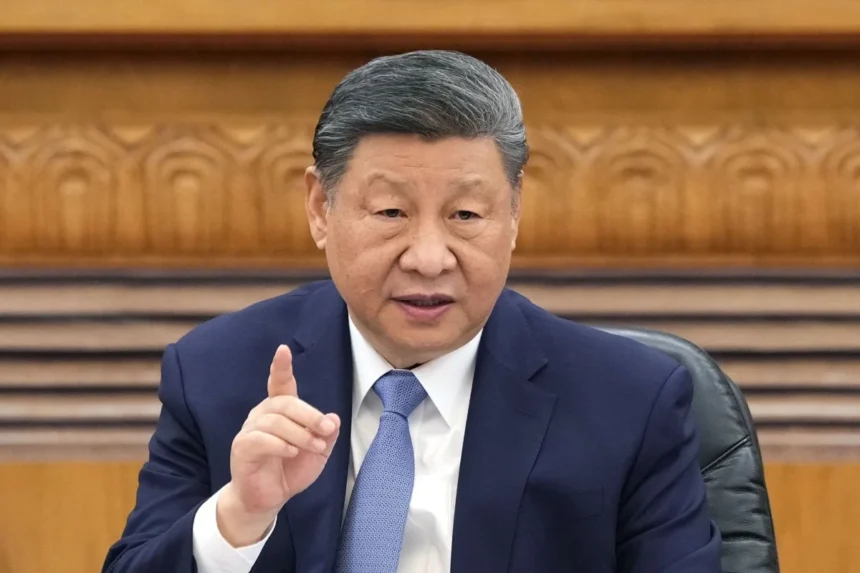
In a major development that signals rising tensions between two of the world’s most powerful nations, China has formally rejected sanctions imposed by the United States on several of its companies accused of participating in the Iranian oil trade. The move highlights a deepening economic and geopolitical rivalry between Washington and Beijing, with both sides holding firm to their positions on international trade, sovereignty, and global influence.
On Saturday, May 2, 2026, China’s Ministry of Commerce issued a strong and unambiguous statement directing Chinese firms to ignore the American sanctions. The directive represents one of Beijing’s most direct confrontations with Washington in recent years, particularly in the area of economic policy and foreign trade. By taking this step, China has not only defended its domestic companies but has also made clear its opposition to what it considers unlawful interference in its economic activities.
China’s Position on the Sanctions
China has described the sanctions as illegitimate and inconsistent with established principles of international law. According to the Ministry of Commerce, the restrictions imposed by the United States lack proper legal backing and should not be enforced by Chinese entities. The official statement emphasized that such unilateral measures undermine the stability of global trade and disrupt normal economic relations between nations.
In its directive, the Chinese government instructed companies within its jurisdiction not to recognize, implement, or comply with the sanctions. This language leaves little room for interpretation and reflects a firm commitment to shielding domestic businesses from foreign pressure. It also signals a broader policy stance in which China seeks to assert its independence in global economic affairs.
A central argument in China’s response is that the sanctions were not authorized by the United Nations Security Council. Beijing has long maintained that only multilateral actions endorsed by the United Nations carry legitimate international authority. From China’s perspective, the United States is acting outside the bounds of accepted global governance by imposing restrictions on foreign companies without international approval.
Another key concern raised by Chinese officials is what they describe as the overreach of American jurisdiction. The United States has increasingly used its economic influence to extend its laws beyond its borders, particularly through sanctions that target foreign companies engaging in trade with countries under U.S. restrictions. China views this practice as an infringement on the sovereignty of other nations and an attempt to control international commerce.
To counter these measures, China invoked its own legal framework known as the Rules on Counteracting Unjustified Extra territorial Application of Foreign Legislation. This set of regulations is designed to protect Chinese companies from foreign laws that are deemed unfair or harmful to national interests. By issuing the recent directive under this framework, Beijing is reinforcing its commitment to defending its economic security and the rights of its businesses.
Read more on: 11 Killed as Bandits Carry Out Reprisal Attacks on Katsina Villages
The U.S. Crackdown on Iranian Oil Trade
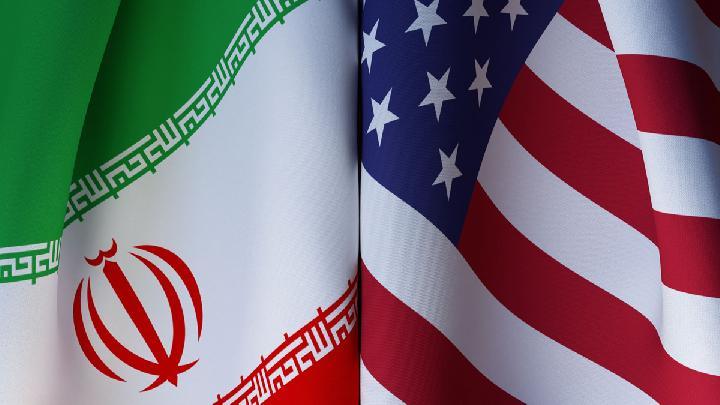
The sanctions at the center of the dispute are part of a broader strategy by the United States to limit Iran’s ability to generate revenue from oil exports. Washington has long accused Tehran of using oil income to fund activities that it considers destabilizing to the region. Efforts to revive diplomatic agreements with Iran have faced significant setbacks, particularly following renewed tensions and conflict earlier in the year.
In response, the United States has intensified its campaign to restrict Iran’s oil trade by targeting companies and entities involved in the purchase, transportation, and processing of Iranian crude. Chinese firms have become a primary focus of this effort, as China remains one of the largest importers of Iranian oil.
Recent sanctions have specifically targeted several Chinese refineries accused of importing large volumes of discounted crude from Iran. These facilities are believed to play a significant role in sustaining Iran’s oil exports, which have continued despite international restrictions.
Among the companies named in the sanctions are Hengli Petrochemical based in Dalian, Shandong Jincheng Petrochemical Group, Shandong Shouguang Luqing Petrochemical, Shandong Shengxing Chemical, and Hebei Xinhai Chemical Group. These firms are major players in China’s energy sector and are involved in processing vast quantities of crude oil for domestic use.
In addition to these refineries, the United States has also sanctioned Qingdao Haiye Oil Terminal, a facility accused of handling large shipments of Iranian oil. However, this particular entity was not included in China’s initial list of protected companies, raising questions about how Beijing may address additional sanctions in the future.
The Role of Independent Refineries
A notable aspect of the Iranian oil trade involves smaller, privately owned refineries in China often referred to as independent processors. These facilities have become crucial channels for Iranian exports, as they are typically more flexible and less exposed to international scrutiny compared to larger state linked companies.
These independent refineries have taken advantage of discounted oil prices offered by Iran, which has been forced to sell its crude at lower rates due to sanctions. This arrangement has benefited both parties, allowing Iran to maintain a steady flow of revenue while providing Chinese buyers with affordable energy resources.
However, the involvement of larger companies such as Hengli Petrochemical indicates that the trade is not limited to smaller operators. The scale of these transactions suggests a more complex and interconnected network of economic activity that extends across different segments of China’s energy industry.
Read more on: Galadima Reveals Obi, Kwankwaso Set to Exist ADC Amid Rising Tensions
Implications for Global Energy Markets
The escalating dispute between China and the United States carries significant implications for global energy markets. As one of the world’s largest consumers of oil, China plays a critical role in shaping demand and pricing trends. Any disruption to its supply chains or trade relationships can have far reaching effects on the global economy.
Iranian oil accounts for a notable portion of China’s energy imports, estimated at around eight percent of its total consumption. This makes Iran an important supplier for Beijing, particularly at a time when energy security remains a top priority.
By rejecting the U.S. sanctions, China is effectively signaling that it will continue to prioritize its energy needs over compliance with foreign restrictions. This stance could lead to increased volatility in oil markets, as traders and investors react to the uncertainty surrounding supply and demand.
There is also the possibility of broader economic repercussions, particularly if the United States decides to impose secondary sanctions on Chinese financial institutions or other entities involved in the trade. Such measures could disrupt international banking systems and complicate transactions between companies in different countries.
Rising Geopolitical Tensions
Beyond the economic dimension, the situation reflects a deeper geopolitical rivalry between China and the United States. Both countries are vying for influence on the global stage, and their disagreements over trade and foreign policy have become increasingly pronounced.
The current standoff over Iranian oil is part of a larger pattern of disputes that include issues such as technology, military presence, and regional alliances. Each side has sought to assert its position while responding to perceived challenges from the other.
China’s decision to openly defy U.S. sanctions marks a shift from its earlier approach, which often involved allowing companies to quietly comply with restrictions in order to maintain access to the American financial system. By taking a more assertive stance, Beijing is signaling that it is willing to accept greater risk in order to defend its interests.
This shift may encourage other countries to adopt similar positions, particularly those that have been affected by U.S. sanctions. It could also lead to the formation of new economic partnerships and alliances that operate outside traditional frameworks dominated by Western institutions.
Read more on: Fresh Police Killing in Oyo Triggers Nationwide Anger
Diplomatic Stakes Ahead of High Level Talks
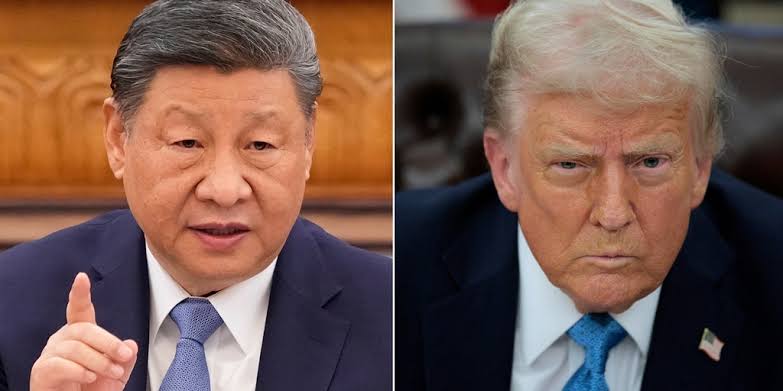
The timing of this development adds another layer of complexity, as it comes just weeks before a planned meeting between U.S. President Donald Trump and Chinese President Xi Jinping. The upcoming talks are expected to address a wide range of issues, including trade, security, and international cooperation.
The dispute over Iranian oil is likely to be a key topic of discussion, as both sides seek to negotiate their positions and avoid further escalation. However, the strong language used by China in its recent statement suggests that it is unlikely to make significant concessions.
For the United States, the challenge lies in balancing its efforts to pressure Iran with the need to maintain stable relations with China. Any miscalculation could lead to broader economic consequences and further strain an already tense relationship.
Uncertain Path Forward
As the situation continues to evolve, the outcome remains uncertain. Both China and the United States have shown a willingness to stand firm in their positions, raising the possibility of prolonged conflict in the economic and diplomatic arenas.
For businesses and investors, the dispute introduces a new level of risk, particularly for those involved in international trade and energy markets. Companies may need to navigate a complex landscape of competing regulations and political considerations, which could affect their operations and profitability.
At the same time, the broader implications for global governance cannot be ignored. The disagreement highlights ongoing challenges in enforcing international rules and managing conflicts between major powers. It also raises questions about the effectiveness of existing institutions in addressing disputes of this nature.
Read more on: Nigeria Launches Free Evacuation Flights as xenophobia Crisis Increase
Conclusion
China’s rejection of U.S. sanctions on its companies involved in the Iranian oil trade marks a significant moment in the evolving relationship between the two nations. By instructing its firms to disregard the restrictions, Beijing has taken a clear stand in defense of its economic sovereignty and strategic interests.
The move underscores the growing complexity of global trade and the challenges of balancing national priorities with international expectations. As tensions continue to rise, the actions taken by both countries will have far reaching consequences for the global economy, energy markets, and the future of international relations.
With high level diplomatic talks on the horizon, the world will be watching closely to see whether dialogue can ease the tensions or whether the divide between these two major powers will deepen even further.
Read more on:
- UNICROSS Mourns Loss of Three Students and Staff in Tragic Highway Crash
- Delta Police Officer Faces Murder Charge After Fatal Shooting of Suspect in Custody in Effurun
- President Tinubu Embarks on France, Kenya, Rwanda Trip for Strategic Summits
- Silence in Wike Camp as APC Stakeholders Present Fubara with Re-election Forms
- INEC Sets June 20 for Bye-Elections Across Six States