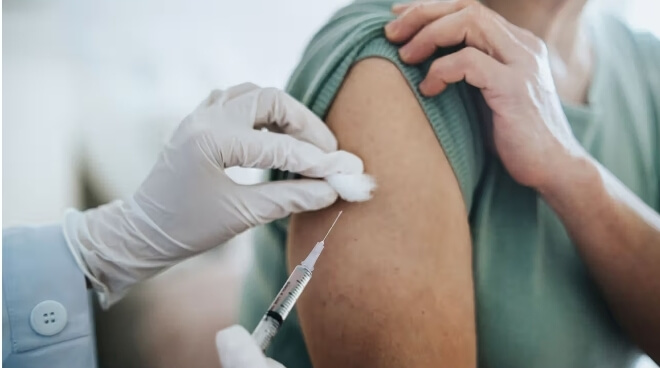
Nigeria has received a new HIV prevention drug known as Lenacapavir, a long-acting injection that only needs to be taken twice a year. Health officials believe the breakthrough medication could significantly strengthen HIV prevention efforts and help reduce new infections across the country.
The development marks an important step in Nigeria’s ongoing battle against HIV/AIDS. Authorities confirmed that the drug has been introduced into the nation’s HIV prevention programme with the approval of Nigeria’s Coordinating Minister of Health and Social Welfare, Ali Pate. The initiative is being supported by The Global Fund, a major international organisation that finances programmes to combat HIV, tuberculosis, and malaria.
A new approach to HIV prevention
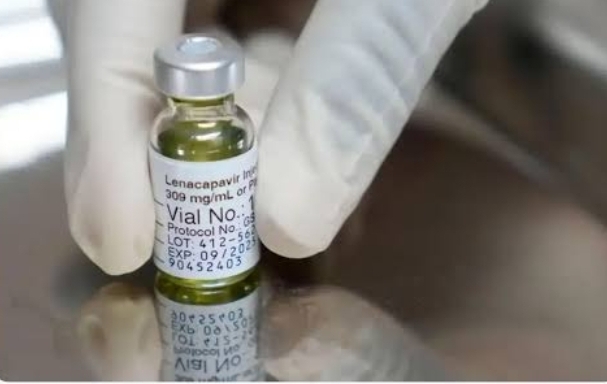
Unlike traditional prevention methods that require daily medication, Lenacapavir is administered just twice a year. This makes it a more convenient option for many people, particularly those who struggle to maintain a daily treatment routine due to stigma, limited healthcare access, or unstable living conditions.
The drug is used as part of Pre-Exposure Prophylaxis (PrEP), a preventive treatment for individuals who are HIV-negative but at risk of contracting the virus.
Instead of taking pills every day, patients receive an injection every six months. Once administered, the medication works continuously in the body to block the virus from replicating if exposure occurs.
Public health experts believe that long-acting prevention tools like Lenacapavir could greatly improve adherence, meaning more people are likely to remain protected since they no longer need to remember daily medication.
Nigeria’s HIV challenge
Nigeria continues to carry one of the largest HIV burdens globally. Current estimates suggest that about 1.9 million people in the country are living with HIV, with thousands of new infections recorded each year.
The country’s HIV response has also faced challenges recently. Earlier in 2025, the administration of Donald Trump suspended parts of U.S. foreign aid, including funding from the President’s Emergency Plan for AIDS Relief (PEPFAR). The move had ripple effects in countries like Nigeria, where HIV programmes have long relied on international support.
At a time when prevention programmes are under pressure, a medication that only requires two injections per year could provide a practical solution for many people who find daily pills difficult to maintain.
According to Adebobola Bashorun, National Coordinator of the National HIV, Viral Hepatitis and STDs Control Programme, the arrival of Lenacapavir represents more than just the introduction of another drug.
He noted that expanding prevention options and strengthening service delivery are important steps toward reducing new HIV infections and improving health outcomes across Nigeria. Health authorities are already working with partners and stakeholders to ensure the safe rollout of the injection nationwide.
Making the drug affordable
Cost has often been a major barrier to accessing new HIV treatments. However, Lenacapavir is expected to become more widely available through voluntary licensing agreements with generic drug manufacturers.
Under this arrangement, the injection could be distributed in Nigeria and 119 other low- and middle-income countries at an estimated annual cost of about $40 (approximately ₦58,000) per person. This pricing model could make the treatment far more accessible to people who need it.
What happens next
The next phase will involve carefully integrating Lenacapavir into existing HIV prevention programmes, particularly among groups considered to be at higher risk of infection.
If implemented successfully, experts believe the drug could help close long-standing gaps in HIV prevention.
For Nigeria, where the fight against HIV has lasted for decades, this small injection could represent a major step forward—making protection easier and more reliable without the need to remember a pill every single day.