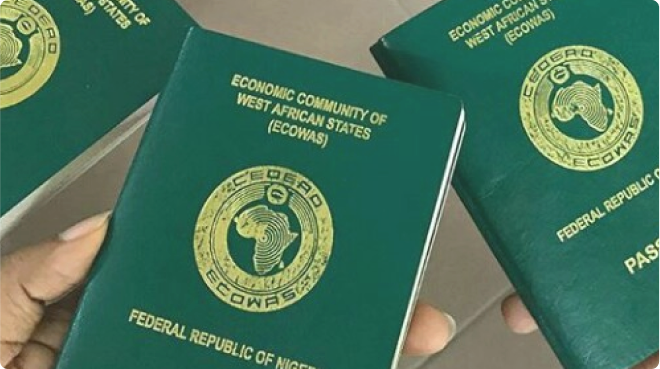
From Rwanda to Portugal, there are several countries Nigerians can move to without a student visa, and with ₦10 million in savings, it’s possible to settle in, live comfortably, and start building a new life.
While the student visa has long been the most popular way for Nigerians to go abroad, it isn’t for everyone. Not everyone wants to return to school, and many simply cannot afford it.
If you have some savings, a remote job, or a business idea, you don’t need a student visa to explore opportunities abroad. ₦10 million won’t make you rich, but in the right country, it’s enough to cover your landing, initial living costs, and give you a runway to start earning.
Here are five options where it’s possible:

1. Rwanda
Rwanda is one of the easiest and closest entry points. Nigerian passport holders enjoy visa-free entry for 30 days, giving time to settle before applying for a work, business, or investment permit.
Rwanda is the most affordable option on this list. ₦10 million can comfortably cover six months or more of living expenses, although costs in Kigali are gradually rising.
Kigali is safe, clean, and well-organized, with reliable infrastructure and a growing dining and entertainment scene, offering a high quality of life for the middle class.
2. Georgia
Georgia has become a favourite among expats and deserves more attention from Nigerians. Entry is through a D-type visa for work, business, or family reunification, which can later be converted to a renewable temporary residence permit. Permanent residency is possible after five years.
A single person can live on $400–$600 monthly, excluding rent. One-bedroom apartments in Tbilisi cost roughly $390–$590, meaning ₦10 million (about $6,500–$7,000) can cover nearly a year of expenses before earning any income. Georgian is the official language, but English is increasingly spoken in professional circles.

3. Poland
Poland is ideal for Nigerians with a job offer or family connection. A Polish employer must secure a work permit before you apply for a National D-type visa at the embassy in Abuja. Tourist visas cannot be converted to work permits in Poland.
Living costs average $807 monthly, excluding rent, with city apartments costing 2,500–3,500 PLN. ₦10 million provides about four to six months of living expenses, enough to land with a job ready. Smaller cities like Kraków or Wrocław are cheaper than Warsaw. Polish language skills are essential, and immigration rules are strict.

4. Spain
Spain is an aspirational option, but more conditional. Its Digital Nomad Visa requires a monthly remote income of about €2,850, meaning ₦10 million would act as a buffer rather than full funding.
Once approved, you get a one-year legal stay, convertible to a three-year residence permit and renewable for two more years. Avoid expensive cities like Madrid and Barcelona—opt for Granada, Badajoz, or Zamora, where monthly expenses range from €800–€1,500, giving your €6,000 savings four to six months of runway. Spanish language skills are important outside major cities.

5. Portugal
Portugal offers similar options to Spain. The D8 Digital Nomad Visa requires €3,480 monthly income, while the D7 visa targets passive income earners, and D1/D2 cover employment and entrepreneurship.
Living costs range from €1,200–€1,600 per month, meaning ₦10 million can last four to five months—or longer if you live in cities like Braga or Évora rather than Lisbon. Portugal boasts a growing African community, a good safety record, and high quality of life, though Portuguese is essential for integration and local employment opportunities can be limited due to high unemployment.
Bottom Line
₦10 million won’t last forever, but it is enough to arrive and begin building a new life in the right country. The key is understanding your visa pathway, knowing your monthly costs, and planning carefully. The people who succeed at relocation aren’t necessarily the wealthiest—they’re the ones with the best plan.
Read more:
- Students Barred from Using Smartphones at University.
- Sundry Markets Hosts Free Medical Program for Yenagoa Residents
- Corporate Olympics Aims to Transform Workplace Wellness and Performance in Nigeria
- UNICEF Provides Thousands of Cartons of Nutritional Aid to Bauchi State
- Bigger Opportunities Announced as Indomie Heroes Awards Launches 18th Edition.
- “No More Cho Cho Cho” — Enough Talk Says Smartcash, Nigerians Expect Real Value from Fintech Platforms.
- ‘Gen.W: The Evolved Woman’ Takes Centre Stage at United Bank for Africa Business Series Celebrating Women in Leadership and Business