In today’s fast-moving world, many people only pay attention to their health when something feels obviously wrong. A high fever, sharp pain, or sudden weakness usually forces action. But not all illnesses announce themselves so loudly. Some of the most dangerous conditions develop quietly, progressing over months or even years while the body gives only subtle hints that something is not right.
These are often referred to as “silent infections” or stealth pathogens. They can live within the body without causing dramatic symptoms at first, yet slowly affect vital organs such as the liver, kidneys, brain, or reproductive system. Because the early signs are often mild and easily mistaken for stress, fatigue, or normal aging, many people ignore them until complications arise.
Health experts continue to warn that awareness is key. Understanding these infections, recognizing their early signals, and taking preventive steps can make a significant difference in long-term health outcomes. Below are six hidden infections that can quietly harm the body, along with their early warning signs and practical ways to prevent them.
Read more on: 8 Practical and Sustainable Ways to Stay Healthy in 2026
Chronic Hepatitis C: The Quiet Destroyer of the Liver
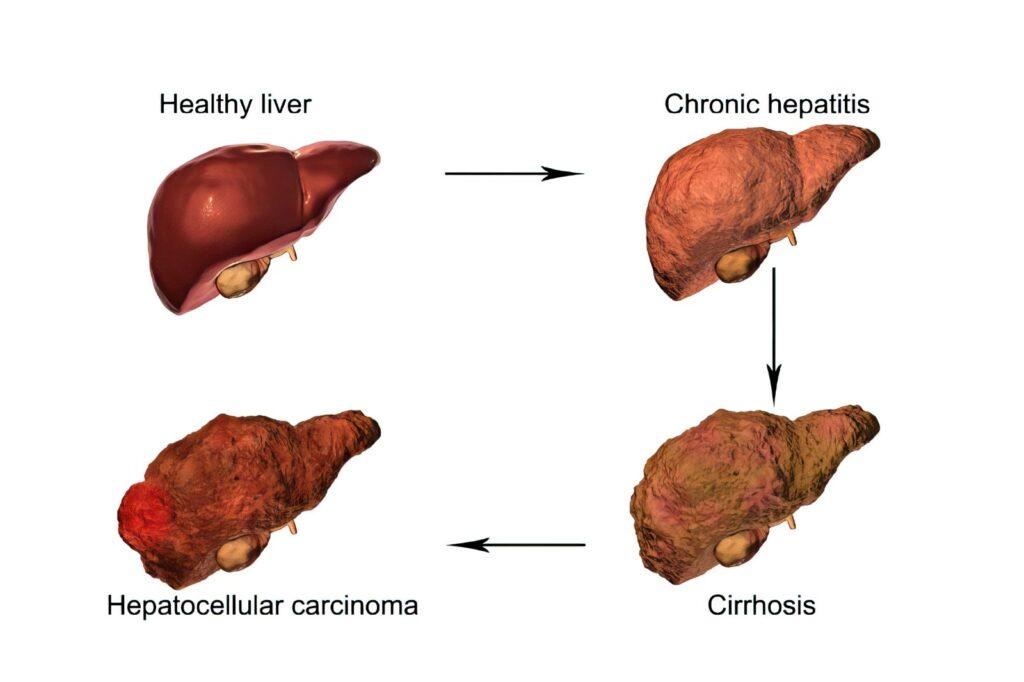
Hepatitis C is a viral infection that primarily targets the liver. What makes it particularly dangerous is how silently it can progress. Many individuals live with the virus for years without knowing they are infected. During this time, the liver may gradually suffer damage that only becomes apparent in later stages.
The liver plays a crucial role in filtering toxins, aiding digestion, and regulating essential body functions. When hepatitis C persists untreated, it can lead to scarring of the liver known as cirrhosis, eventual liver failure, or even liver cancer.
Subtle signs that may appear early include:
- Persistent fatigue that does not improve with rest
- Difficulty concentrating or what many describe as “brain fog”
- Mild discomfort or a dull ache in the upper right abdomen
- Occasional joint pain without a clear cause
These symptoms are easy to dismiss, which is why many cases go undiagnosed for long periods.
Prevention tips:
Preventing hepatitis C largely involves avoiding exposure to infected blood.
- Never share needles, syringes, or sharp objects such as razors
- Ensure that any medical or cosmetic procedures use properly sterilized equipment
- Practice safe sex, especially if there is a risk of blood exposure
- Get tested if you have ever had a blood transfusion in settings where screening may have been inadequate
- Health workers should always follow proper infection control procedures
Early testing is essential because modern treatments can cure hepatitis C in most cases when detected in time.
Read more on: 6 common Raining Season Illness and How To Prevent Them
H. Pylori: The Hidden Bacterium in the Stomach

Helicobacter pylori, commonly called H. pylori, is a bacterium that lives in the stomach lining. Many people carry it without realizing it, sometimes for years. While it may remain harmless in some individuals, in others it gradually irritates the stomach lining and leads to more serious conditions.
Over time, this infection can cause chronic inflammation known as gastritis. It may also lead to painful ulcers and increase the risk of stomach cancer if left untreated.
Early warning signs can include:
- Frequent bloating or excessive burping
- A gnawing or burning sensation in the stomach, especially in the morning
- Loss of appetite over time
- Mild nausea, particularly after meals
Because these symptoms resemble common digestive issues, many people self-medicate without addressing the root cause.
Prevention tips:
H. pylori is often spread through contaminated food, water, or close contact.
- Wash hands thoroughly before eating and after using the restroom
- Ensure food is properly cooked and handled hygienically
- Drink clean, safe water
- Avoid sharing utensils with individuals who may be infected
- Maintain good general hygiene in food preparation environments
If symptoms persist, medical testing can confirm the infection, and it is usually treatable with a combination of antibiotics and other medications.
Read more on: Africa’s Veteran Rulers: Leaders Who Have Stayed in Power for Generations
Chlamydia: The Silent Threat to Reproductive Health
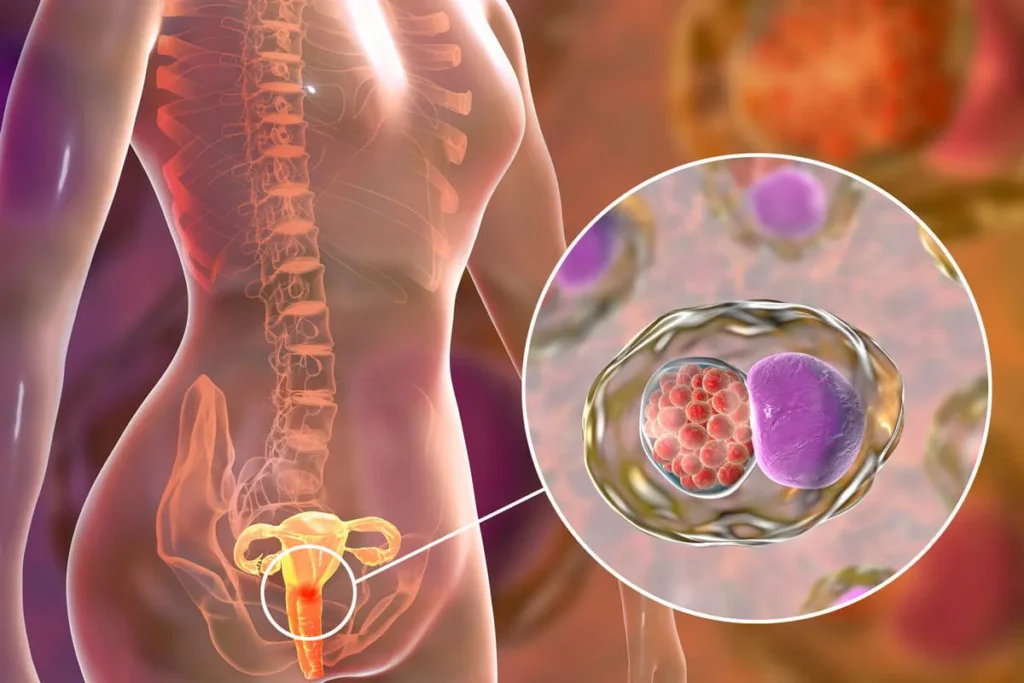
Chlamydia is one of the most common sexually transmitted infections worldwide. What makes it especially concerning is that many people experience no symptoms at all, allowing it to spread easily and cause complications without detection.
In women, untreated chlamydia can lead to pelvic inflammatory disease, which may result in chronic pain, infertility, or dangerous ectopic pregnancies. In men, it can affect the testicles and cause discomfort or fertility issues.
Possible early signs include:
- Slight changes in vaginal or penile discharge
- A dull, persistent pain in the lower abdomen
- A mild burning sensation during urination
- Irregular bleeding between menstrual periods
These symptoms are often subtle and may be overlooked or attributed to other causes.
Prevention tips:
Preventing chlamydia relies heavily on safe sexual practices and regular health checks.
- Use condoms consistently and correctly
- Limit the number of sexual partners
- Get regular screenings, especially if sexually active with new or multiple partners
- Encourage partners to get tested and treated if necessary
- Avoid unprotected sexual contact with individuals whose status is unknown
Early diagnosis and treatment with antibiotics can completely clear the infection and prevent long-term complications.
Read more on: Beyond the Name: How “Eko” Became “Lagos” — A Journey Through Time
Cytomegalovirus: A Dormant Virus That Can Reactivate
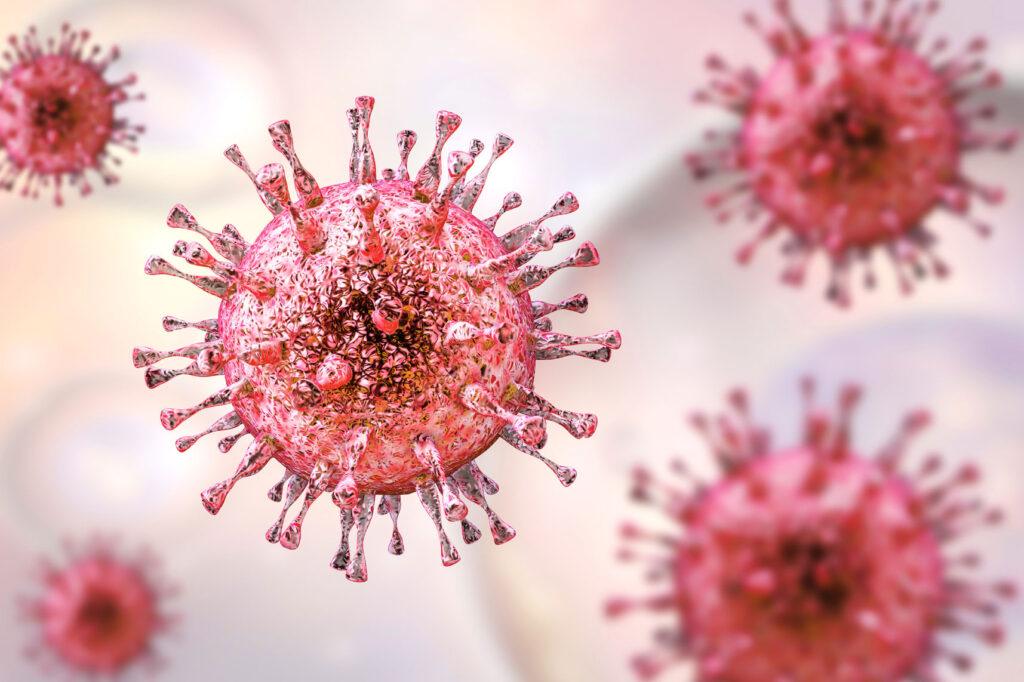
Cytomegalovirus, often abbreviated as CMV, is a very common virus that belongs to the same family as herpes viruses. Once a person is infected, the virus remains in the body for life, usually in a dormant state.
For most healthy individuals, CMV does not cause serious problems. However, if the immune system becomes weakened, the virus can reactivate and begin affecting various organs, including the lungs, liver, eyes, and digestive system.
Subtle early indicators may include:
- Night sweats that disrupt sleep
- Mild swelling of glands in the neck or armpits
- A sore throat that lingers longer than usual
- Shortness of breath or reduced stamina
These symptoms can be mistaken for minor infections or general fatigue.
Prevention tips:
Since CMV spreads through bodily fluids, hygiene and caution are important.
- Wash hands regularly, especially after contact with bodily fluids
- Avoid sharing drinks, utensils, or toothbrushes
- Practice safe sex
- Pregnant women and individuals with weakened immune systems should take extra precautions
- Maintain a strong immune system through balanced nutrition, adequate sleep, and stress management
While CMV cannot be completely eliminated from the body, medical care can help manage complications if they arise.
Read more on:8 Nigerian Foods That Can Help You Lose Weight Naturally
Lyme Disease: The Infection That Mimics Many Conditions
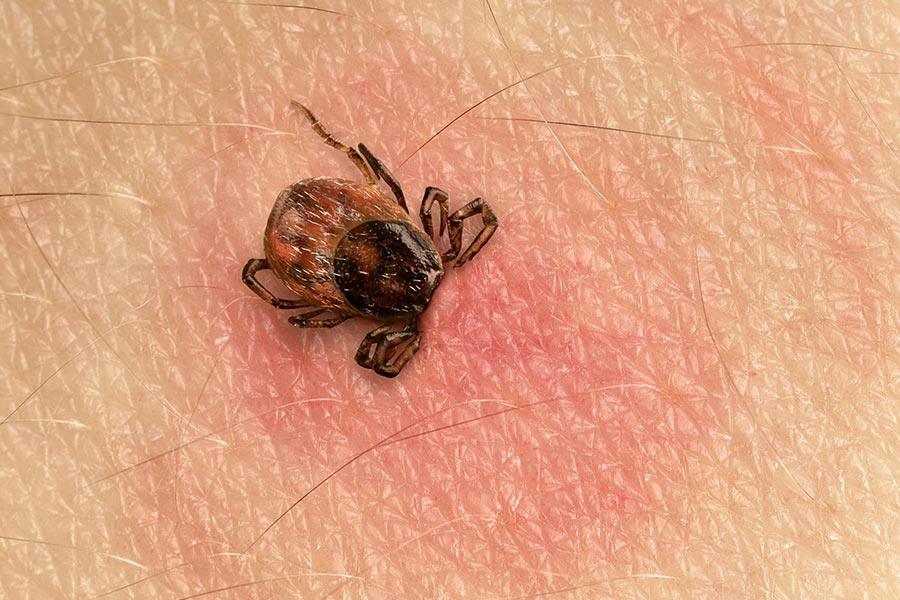
Lyme disease is caused by bacteria transmitted through tick bites. Although it is more commonly associated with certain regions, travel and environmental changes have increased its reach in recent years.
One of the challenges with Lyme disease is that it does not always present with the well-known bull’s-eye rash. In some cases, the infection progresses silently and later affects multiple systems in the body, including the joints, heart, and nervous system.
Early warning signs may include:
- Pain that seems to move from one joint to another
- Severe or recurring headaches
- Episodes of dizziness or feeling faint
- Tingling or numbness in the hands and feet
Because these symptoms overlap with many other conditions, diagnosis can sometimes be delayed.
Prevention tips:
Preventing Lyme disease involves reducing exposure to ticks.
- Wear protective clothing when in grassy or wooded areas
- Use insect repellents on skin and clothing
- Check your body thoroughly after spending time outdoors
- Shower soon after outdoor activities
- Remove ticks promptly and carefully if found
Early treatment with antibiotics is highly effective, so seeking medical attention after a suspected tick bite is important.
Read more on: Meet Nigeria’s First Space Traveler, Chief Owolabi Salis
Silent Urinary Tract Infections: A Hidden Risk to the Kidneys

Urinary tract infections are usually associated with obvious symptoms such as burning during urination. However, in some cases, especially among older adults, UTIs can develop without these classic signs.
These “silent” infections can travel from the bladder to the kidneys, causing more serious complications. If left untreated, they may lead to kidney damage or even spread into the bloodstream.
Early signs to watch for include:
- Sudden confusion or changes in mental clarity, particularly in older individuals
- Unusual tiredness or weakness
- A mild, persistent fever
- Changes in urine appearance or smell
Because these symptoms may not immediately suggest a urinary issue, diagnosis can be delayed.
Prevention tips:
Maintaining urinary health is key to preventing infections.
- Drink plenty of clean water daily
- Practice good personal hygiene
- Urinate regularly and avoid holding urine for long periods
- For women, wipe from front to back after using the restroom
- Urinate after sexual activity to help flush out bacteria
- Seek medical care promptly if any unusual symptoms appear
Early treatment can prevent complications and protect kidney function.
Read more on: 7 African Countries Named After Historical Figures
Final Thoughts: Listening to Subtle Signals from Your Body
The human body often sends quiet signals long before serious illness develops. The challenge is recognizing when something subtle might be meaningful. Persistent fatigue, mild discomfort, or small changes in bodily functions should not always be ignored or attributed solely to stress or lifestyle.
Regular medical checkups, routine screenings, and paying attention to changes in your body can go a long way in detecting these silent infections early. Many of them are highly treatable when identified in time, but they can become life-altering if allowed to progress unnoticed.
Taking a proactive approach to health is no longer optional in a world where many conditions develop quietly. Awareness, prevention, and early action remain the strongest tools for protecting your organs and maintaining long-term wellbeing.
Read more on: