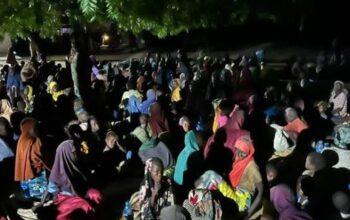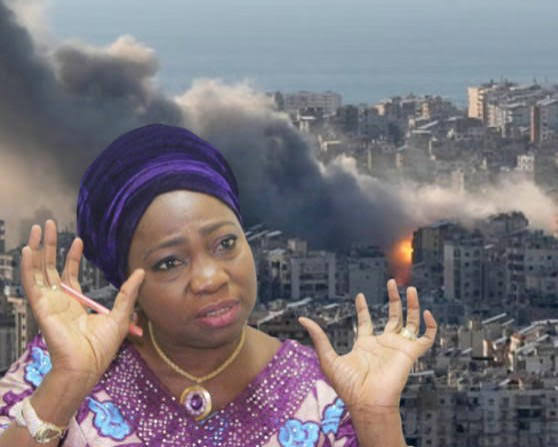
As tensions continue to rise between Iran, Israel, and their allies, many Nigerians in the region are still waiting for a way out. Although the Federal Government has announced plans for an emergency evacuation, progress has slowed as of March 24, 2026.
The situation is being held back by two major challenges. Funding has not yet been approved, and the security risks in the airspace have made evacuation extremely difficult.
Funding Delays Holding Back Action
The Ministry of Foreign Affairs and the Nigerians in Diaspora Commission have already mapped out plans to move citizens out of danger. However, the operation cannot begin without the release of emergency funds.
A senior source within the presidency revealed that the process is currently paused while awaiting financial approval. This delay is coming at a time when flight costs in the region have more than doubled, making it very difficult for many Nigerians to leave on their own.
Read more on: Tension in the Strait: Trump Extends Deadline on Iran Action Amid Signs of Talks
Airspace Risks Complicate Evacuation Plans
Even if funding is approved immediately, getting aircraft into the region remains a serious concern. Aviation experts, including former military pilots, have warned that civilian flights in the affected areas are extremely risky.
Ongoing missile activity and drone strikes have created a dangerous environment where safe passage cannot be guaranteed. Major travel hubs such as Dubai and Doha are experiencing disruptions, while airspace in Iran and Israel is largely restricted.
Airlines are also being forced to take longer routes to avoid conflict zones, which increases costs and limits available options for evacuation.
Temporary Measures in Place
Because a direct evacuation to Nigeria is not currently safe, authorities are focusing on short term solutions.
Officials have been positioned at border points such as Armenia to assist Nigerians who manage to leave Iran by land. Citizens in countries like Qatar and the United Arab Emirates are being advised to move to safer areas within those countries while waiting for further instructions.
At the same time, efforts are ongoing to gather accurate data on Nigerians in the region, as many had not registered with embassies before the crisis began.
Read more on: Connecting Nigeria: EU Commits €288 Million to Boost Healthcare, Digital Access, and Agriculture
The Human Impact
For Nigerians living in cities like Tehran and Riyadh, the situation is becoming increasingly difficult. Reports of attacks and rising insecurity have made the wait even more stressful for those hoping to return home.
“The government is working out the administrative details… we appeal to Nigerians to follow the travel advice as issued.” — Kimiebi Ebienfa, MFA Spokesperson.
What Lies Ahead
The government is also exploring alternative evacuation options, including moving citizens by sea to safer locations in Africa or Southern Europe before flying them back to Nigeria. However, this plan is still under consideration and depends on funding approval.
For now, many Nigerians remain in limbo, hoping that both the financial and security challenges will soon be resolved so evacuation efforts can begin in full.
Read more on:
- The Kano Convergence: Could an Obi and Kwankwaso Alliance for 2027 Be Taking Shape?
- Former Acting AGF Nwabuoku Sentenced to 72 Years for ₦868 Million Fraud
- Darkness During Celebration: Power Supply Drops as National Grid Struggles Over Holiday Weekend
- Petrol Price Climbs to ₦1,332 as Dangote Refinery Responds to Global Pressures