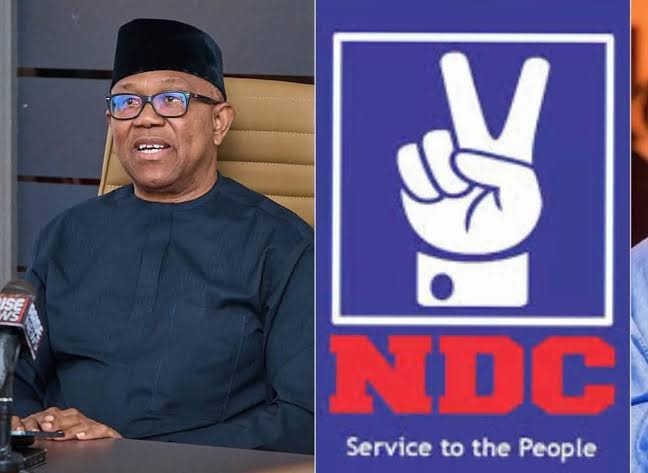
Nigeria’s political atmosphere has entered a new and potentially defining phase following a major decision by the Nigeria Democratic Congress, NDC, to zone its 2027 presidential ticket to the southern region of the country. The announcement, made during the party’s national convention in Abuja, is already generating widespread reactions across political circles and is being interpreted by many observers as a move that significantly boosts the chances of former Anambra State Governor, Peter Obi, emerging as the party’s presidential candidate.
The development comes at a time when alliances are shifting rapidly and opposition forces are attempting to consolidate their strength ahead of the next general election. For many, the NDC’s decision is not just about zoning but about strategy, positioning, and the creation of a viable platform capable of challenging the dominance of the ruling party.
The convention itself drew prominent figures and delegates from across Nigeria’s 36 states, reflecting the growing influence of the party. It was an event marked by intense deliberations, negotiations, and ultimately a decision that could shape the trajectory of the 2027 elections. When the zoning announcement was finally made public, both at the convention and through the party’s official communication channels, it sent a clear signal about the direction the NDC intends to take.
By allocating its presidential ticket to the South, the party has aligned itself with ongoing national conversations about equity, fairness, and power rotation. In Nigeria’s complex political structure, zoning remains a sensitive but critical tool for maintaining balance among regions. The NDC’s leadership appears to have calculated that this move would not only appeal to southern voters but also strengthen its legitimacy as a party committed to inclusivity.
Read more on: Gunmen Kill Son of Osun Accord Party Leader, Political Tension Rises
Beyond the broader regional implications, the decision has immediate political consequences, particularly for Peter Obi. Having recently joined the NDC, Obi now finds himself in a favorable position within a party that appears ready to rally around a strong southern candidate. His political structure, widely known for its grassroots energy and youth driven support base, adds significant weight to the party’s ambitions.
Obi’s journey to the NDC has been anything but straightforward. Earlier in the year, he exited the Labour Party after internal disputes and lingering legal challenges made it difficult for him to operate effectively. His subsequent move to the African Democratic Congress was seen as a temporary arrangement rather than a long term solution. Now, his transition to the NDC represents what many analysts describe as a more strategic and calculated step.
The circumstances surrounding his entry into the party also highlight the level of coordination taking place behind the scenes. Reports indicate that Obi’s defection was preceded by a series of consultations with key political stakeholders, culminating in a high level meeting at the Abuja residence of former Bayelsa State Governor, Seriake Dickson, who is now a leading figure within the NDC. It was at this meeting that Obi, along with other influential politicians, was formally received into the party.
One of the most notable aspects of this realignment is the involvement of Rabiu Musa Kwankwaso, a former Governor of Kano State and a significant political force in the northern region. Kwankwaso’s decision to join the NDC alongside Obi has been interpreted as a strong indication that the party is serious about building a broad based coalition that cuts across regional and ideological lines.
Read more on: Ex-Humanitarian Affairs Minister Sadiya Umar Farouq Declared Wanted by EFCC
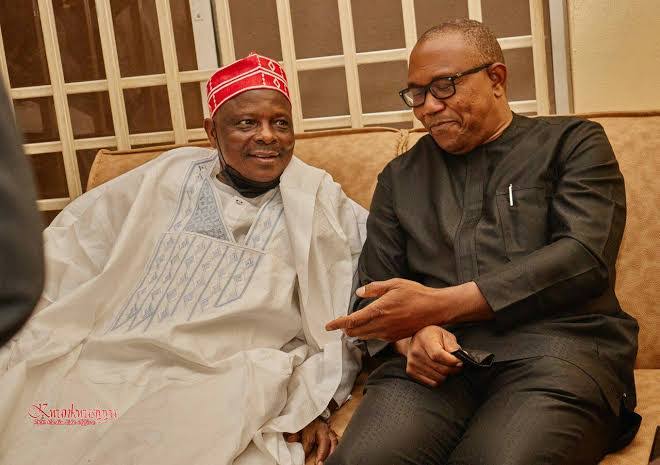
The potential collaboration between Obi and Kwankwaso is particularly significant. Both men command loyal followings that have proven to be influential in previous elections. Obi’s support base, often referred to as the Obidient movement, is known for its enthusiasm and strong presence among young voters and urban populations. Kwankwaso, on the other hand, leads the Kwankwasiyya movement, which has deep roots in parts of northern Nigeria. Bringing these two forces together under one platform could reshape the dynamics of opposition politics in the country.
The growing appeal of the NDC has also been reflected within the legislative arm of government. Earlier in the week, a group of 17 members of the House of Representatives defected to the party during plenary. Most of these lawmakers were previously aligned with the African Democratic Congress and cited the need for a stronger and more unified opposition as their primary motivation for switching allegiance. Their defection is not only symbolic but also strengthens the party’s presence within the National Assembly.
At the convention, discussions went beyond zoning. Delegates also focused on strengthening the party’s internal structures, including the ratification of amendments to its constitution and the election of new national executives. These steps are seen as necessary for building a stable and credible political platform capable of managing the complexities of a national campaign.
Party leaders have made it clear that their long term objective is to transform the NDC into what they describe as a mega party. This involves integrating various political movements, reconciling differing interests, and presenting a united front to the electorate. The challenge, however, lies in managing the ambitions of key stakeholders while maintaining cohesion within the party.
Read more on: Jonathan Takes Legal Stand Against Disqualification Bid
Zoning the presidential ticket to the South is a critical part of this strategy. It creates an opportunity for the party to present a candidate who can appeal to voters in that region while also negotiating alliances that ensure strong support from the North. The choice of a running mate will therefore be an important decision, as it will need to complement the presidential candidate and reflect the party’s commitment to national balance.
For Peter Obi, the current situation represents both an opportunity and a test. On one hand, he is entering a political environment that appears receptive to his candidacy. On the other hand, he will need to navigate internal party dynamics, build consensus, and demonstrate that he can lead a diverse coalition. His ability to do so will likely determine whether he secures the NDC ticket and how competitive he will be in the general election.
The broader implications of these developments cannot be overlooked. Nigeria’s opposition has often struggled with fragmentation, with multiple parties and candidates dividing the vote. The emergence of the NDC as a unifying platform could address this challenge, provided that it succeeds in bringing together key players and maintaining internal stability.
As the political landscape continues to evolve, attention will increasingly focus on how the ruling party responds to these changes. A stronger and more coordinated opposition presents a different kind of challenge, one that could lead to a more competitive and unpredictable election.
Read more on: Gunmen Strike Again in Plateau, Kill Pregnant Women and 13 Others
For now, the NDC has succeeded in capturing national attention and positioning itself as a serious contender in the 2027 race. Its decision to zone the presidential ticket to the South has set the stage for what promises to be an intense period of political maneuvering.
With new alliances forming and old loyalties being tested, the road to 2027 is already shaping up to be one of the most dynamic in Nigeria’s recent history. At the center of it all is Peter Obi, whose next moves will be closely watched as he seeks to translate this moment of opportunity into a viable path to the presidency.
Read more on: