
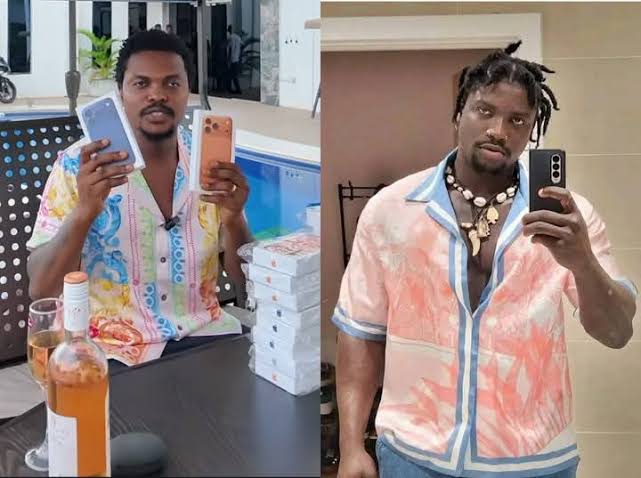
The Nigerian digital landscape is currently embroiled in a high-profile legal battle involving two of its most influential and controversial figures. On one side is Martins Vincent Otse, popularly known as VeryDarkMan or VDM, a social activist widely recognized for his exposés on alleged corruption and malpractice. On the other side is Linus Williams, also known in the online space as Blord, a prominent crypto entrepreneur whose ventures have attracted millions of young investors across Nigeria. What began as a heated exchange on social media has escalated into a complex legal confrontation that now encompasses arrests, intellectual property disputes, and a staggering billion-naira lawsuit. The feud has captured the attention of social media users, legal experts, and industry insiders alike, making it one of the most talked-about controversies in Nigeria this year.
The origin of the conflict can be traced back to late 2025, a period during which tensions between VDM and Blord began to simmer publicly. VDM, whose reputation is built on investigating and exposing what he perceives as fraudulent practices, leveled accusations against Blord regarding questionable business dealings. Among the primary concerns were allegations that Blord manipulated the pricing of luxury vehicles and iPhones, raising suspicions of financial misconduct and unfair market practices. While these initial disputes garnered online attention, they were largely considered part of the ongoing social commentary VDM is known for.
Read more on: The Purple King Returns: Omah Lay Releases ‘Clarity of Mind’ and Stakes His Place at the Top
The current wave of conflict, however, erupted over a more personal and legally complex issue: intellectual property. In early 2026, Blord reportedly attempted to register the trademark for the name “Ratel,” a term that VDM has long used to identify his extensive network of supporters and followers. The attempt by Blord to claim legal ownership of “Ratel” was accompanied by a cease-and-desist letter, demanding that VDM stop using the name entirely. This action was seen by VDM and his followers as a direct challenge, not only to his personal brand but also to the identity of the movement he has spent years cultivating.
VDM’s response to the trademark dispute was swift and strategic. He publicly stated that he had already registered the trademark for “Ratel” back in 2024, well before Blord’s application. Not stopping there, VDM escalated the matter by filing a counter-trademark for the name “Blord,” asserting a degree of legal ownership over the entrepreneur’s brand identity as well. The move created a convoluted legal scenario in which both parties claimed ownership of each other’s key identifiers, resulting in an unprecedented standoff over personal and business identities. Lawyers for both sides have since become deeply involved, examining filings at the trademark registry to determine who holds the rightful claim.
The tension reached a critical juncture in late March 2026 when Blord was reportedly remanded at the Kuje Correctional Center in Abuja. His arrest, according to multiple reports, stemmed from allegations of cryptocurrency fraud, money laundering, and violations of financial regulations. While VDM has not publicly claimed responsibility for the arrest, many of his supporters, often referred to as Ratels, have suggested that the social activist’s petitions, online investigations, and evidence-gathering efforts were instrumental in prompting law enforcement action. This has fueled narratives that VDM wields significant influence in Nigeria’s digital and legal arenas, effectively turning online scrutiny into tangible, high-level consequences.

The fallout from the arrest has dominated social media, with viral videos, screenshots, and reports of Blord’s situation circulating widely. Among the most discussed incidents are claims that associates of Blord reached out to VDM, allegedly pleading for intervention to secure the entrepreneur’s release. These reports, which surfaced around April 1, 2026, depict a dramatic scenario in which legal maneuvering, public perception, and personal pride collide. VDM, in response, has remained defiant. In several recent videos, he mocked the situation, emphasizing that the law must apply equally to all individuals and asserting that those who believe they are above the law will ultimately face consequences.
Read more on: Simi and Adekunle Gold Welcome Their Second Child: A New Chapter for the Kosoko Family
As of April 3, 2026, the battle has moved from social media platforms into the courtroom. Blord remains in custody, pending further hearings on the alleged fraud and related financial crimes. Concurrently, his legal team has filed a civil suit against VDM, demanding ₦1 billion in damages for alleged defamation and cybercrime. The lawsuit claims that VDM misused Blord’s likeness to promote products, made false claims about his business dealings, and spread damaging narratives to the public. This legal action underscores the high stakes of the feud and the potential financial and reputational consequences for both parties.
The trademark battle over “Ratel” and “Blord” remains unresolved, with intellectual property lawyers reviewing documentation submitted to the trademark registry. Both parties maintain that their claims are legitimate, creating a situation where the dispute is as much about legal ownership as it is about public perception and influence. The case has drawn the attention of political and human rights activists, including figures like Omoyele Sowore, who have reportedly been approached to mediate or offer guidance, though no formal intervention has yet occurred.
Beyond the courtroom and social media commentary, the feud has wider implications for Nigeria’s fintech and crypto landscape. Blord’s arrest and the ongoing scrutiny of his business practices have caused unease among investors, particularly young traders who rely on local cryptocurrency platforms. The situation has exposed vulnerabilities in the market and highlighted the potential consequences of fraud allegations against influential figures. Meanwhile, VDM’s role in catalyzing legal action against a major entrepreneur has showcased a new form of digital activism in Nigeria, demonstrating that social media influence can translate into tangible, real-world outcomes.
Read more on: Funke Akindele Keeps Quiet on Premiere Drama While Setting Her Sights on a Political Return
The public remains sharply divided in their perceptions of the dispute. Supporters of VDM view him as a champion of accountability, holding powerful figures responsible for alleged misconduct. Conversely, Blord’s followers frame the entrepreneur as a victim of online harassment and overreach, arguing that VDM may have crossed ethical and legal boundaries by leveraging social influence to interfere in business operations. This division illustrates the complex interplay between public opinion, social media power, and formal legal mechanisms in contemporary Nigerian society.
At the heart of the matter is a scenario of mutually assured risk. Should Blord be found guilty of fraud and regulatory violations, his business empire faces significant damage, potentially undermining years of work and investment. On the other hand, if VDM is found to have acted in bad faith, particularly in his trademark filings or in spreading allegedly defamatory content, he could be liable for substantial financial penalties, including the ₦1 billion suit currently pending. Both men are operating under intense scrutiny, and the outcome could set precedents for how online influence and activism intersect with legal accountability in Nigeria.
The controversy raises broader questions about power, trust, and responsibility in the digital age. How much influence should social media figures wield over legal and business matters? To what extent should public exposure and petitions be considered legitimate tools for accountability versus harassment? And perhaps most importantly, how can intellectual property and defamation laws be balanced against the freedom to criticize and investigate online? These questions continue to resonate with the Nigerian public and legal experts alike, as the saga unfolds in real time.
As it stands, the feud between VDM and Blord is far from resolved. The combination of criminal allegations, civil lawsuits, and intellectual property disputes has created a tangled web of legal and social complexities. Public attention remains fixed on both men, and the narrative continues to evolve with each court filing, social media post, and news report. For now, the situation represents a dramatic intersection of digital activism, corporate accountability, and the Nigerian legal system, highlighting the unprecedented power that social media personalities can exert in the modern era.
Whether this story ultimately concludes with vindication, legal penalties, or further escalation is uncertain. What is clear, however, is that the feud between VDM and Blord represents one of the most high-profile clashes in Nigeria’s online and legal spheres, offering insight into the dynamics of influence, accountability, and public perception in the country today.
Read more on:
- Social Media Erupts After Funmi Akindele Appears to Snub Toyin Abraham
- Basketmouth Ex-Wife Elsie Okpocha Responds to Viral Claims About Her Children’s Paternity
- Skales Slams Chief Priest for Political Take on Plateau Palm Sunday Tragedy
- From Cancer Claim to Controversy: Blessing CEO Faces Forgery Allegations